
Best Carbonated Beverage Production Line Factory for Efficient and Reliable Production
2026-11-16
Scaling up fizzy drink output shouldn’t mean gambling on equipment that stalls mid-run. The search for the best carbonated beverage production line factory often ends in frustration—until you look at what INTOP Machinery brings to the table: a blend of precision engineering and up-time reliability that keeps every can and bottle moving.
Precision Filling Technology That Keeps Carbonation Intact
The fizz in a carbonated drink is fragile. A single pressure drop during filling can knock out enough CO2 to flatten the entire batch. Our precision filling technology sidesteps this by maintaining a matched back-pressure inside each bottle before liquid ever enters. The fill valve seals against the neck and injects CO2 to equal the pressure in the holding tank. Only then does the beverage flow down the bottle wall in a smooth, low-turbulence stream. No splashing, no sudden release—just a controlled transfer that keeps gas dissolved where it belongs.
Temperature matters just as much as pressure. The entire filling loop runs cold, typically just above freezing, because colder liquid holds more carbonation. The filler’s internal channels are insulated and chilled to prevent any warming between the tank and the nozzle. As the final volume is reached, the valve closes in a stepped pattern that gently reduces pressure rather than snapping open to atmosphere. This prevents the tiny shock waves that usually force CO2 out of solution at the last moment.
The payoff shows up in the glass. Drinks filled this way keep a tight, fine bead of bubbles—not the coarse, fast-rising ones you get from a rough fill. We’ve tested side by side against standard counter-pressure systems, and the difference is clear even after days on the shelf. Each bottle tastes as lively as the moment it was sealed, with no flat spots or uneven carbonation from one container to the next.
How Modular Design Cuts Downtime in High-Volume Lines
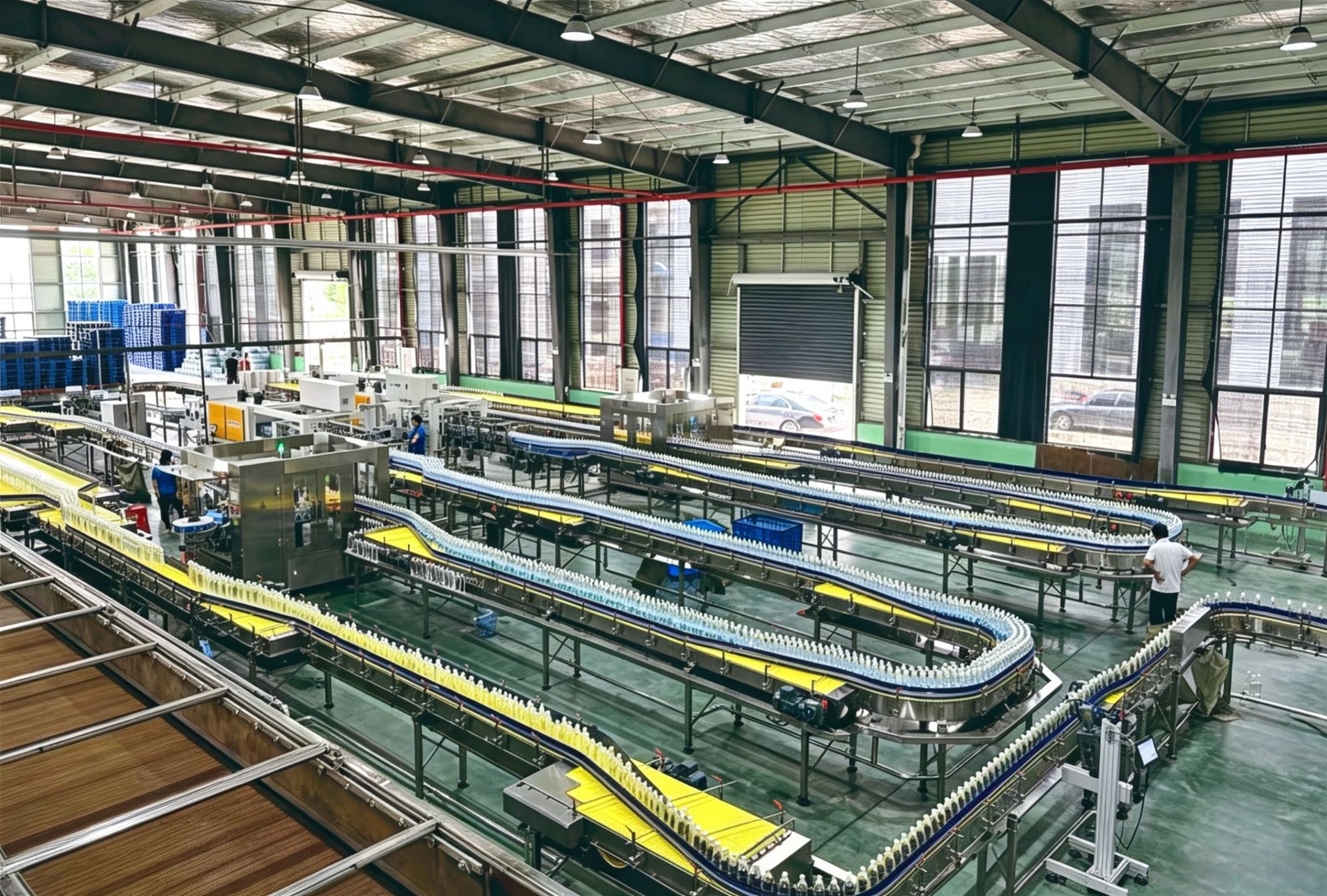
The biggest enemy of a high-volume line isn't a broken part—it's the clock ticking while that part gets swapped out. Modular design attacks this directly by turning complex assemblies into plug-and-play blocks. When a module fails, the line doesn't wait for a specialist to diagnose a nest of wires and fittings. Operators pull the entire module, slot in a spare, and the conveyor rolls again in minutes. The failed unit goes to a bench for repair offline, completely removed from production pressure.
This approach also reshapes how teams think about maintenance windows. Instead of scheduling long shutdowns to overhaul an entire station, modular lines let you rotate modules gradually. A cylinder, a sensor cluster, or a drive unit can be replaced during a brief gap between batches, not on a weekend. Over a year, those small recoveries add up to a significant gain in overall equipment effectiveness—without heroic efforts from the maintenance crew.
There's a subtler benefit too: modular design reduces the fear of experimentation. When each functional block is self-contained, teams can trial a newer, faster module on one line while the other lines keep running the old standard. If the trial works, it scales. If it doesn't, the rollback is a five-minute swap, not a rewiring project. That lowers the threshold for continuous improvement, turning downtime from a fixed cost into a flexible variable.
Material Choices That Withstand Aggressive Syrups and Acids
Stainless steel often becomes the default, but not every grade survives sticky, acidic syrups. Type 316 holds up well against mild acids and cleans easily, while high-sugar syrups demand a polished surface finish to prevent residue from clinging. For more corrosive environments, alloys such as Hastelloy or duplex stainless give better resistance without constant replacement.
Seals and linings matter just as much as the housing. EPDM works for many syrup lines, but when citric or phosphoric acid enters the mix, PTFE or Viton offers a safer margin. Ceramic internals can reduce wear in dosing pumps that move abrasive particles suspended in syrup, extending service intervals beyond what metal alone achieves.
Polypropylene and PVDF bodies suit lower-pressure transfer of aggressive syrups, especially where metal contamination is a concern. The real difference comes from matching each wetted part to the specific pH, temperature, and sugar concentration rather than relying on a single "chemical-resistant" label. Small mismatches often show up later as cracking, swelling, or pitting that shuts down a line.
Real-Time Monitoring for Consistent Bottle Pressure
High-precision pressure transducers mounted directly on the filling valves sample internal bottle pressure several hundred times per second. Any deviation from the target window triggers an immediate compensatory signal rather than waiting for the next manual inspection. This continuous loop keeps every container within the specified range, not just the ones pulled for spot checks.
The controller links these readings to the gas supply and exhaust valves, adjusting their opening in real time to counteract seal wear, line speed changes, or temperature drift. A live trend display on the HMI shows pressure curves and flags deviations before they become visible as cracked finishes or deformed sidewalls. Alerts are threshold-based but also use a short rolling average to filter out harmless sensor noise.
Because every bottle is monitored from fill to cap release, the line no longer relies on batch-based sampling to catch slow pressure decay. The result is tighter carbonation retention, consistent spray performance, or stable aseptic headspace depending on the product. Logged data is stored per bottle serial or time stamp, giving operators an exact pressure history for any shift or recipe change.
Turnkey Integration from Mixing to Palletizing
When you pull the trigger on a full line that runs from bulk mixing all the way to finished pallets, the last thing you want is to play project manager across three or four vendors. A true turnkey approach means one team owns the entire sequence: ingredient handling, mixing, conveying, bagging or case packing, robotic palletizing, stretch wrapping, and the control logic that ties it together. You get a single line of communication and a single point of accountability if anything falls short.
That kind of integration shows up in the details. Load cells under the mixer feed directly into the PLC that also tracks pallet patterns, so changeovers happen in minutes instead of hours. Conveyor speeds adjust automatically based on downstream demand, and the palletizing robot picks its stack plan from the same recipe database that controls batch times. No more bridging gaps with manual spreadsheets or hoping the integrator and the OEM actually talked.
The payoff is less about fancy specs and more about what doesn't happen: no mismatched interfaces, no surprise gaps in guarding, no weeks of troubleshooting after startup. You hand over a floor layout and a list of SKUs, and you get back a running line with operator training, documentation, and support included. That's what 'turnkey' should mean from mixing to palletizing.
Maintenance Schedules That Prevent Costly Line Stops
Line stops rarely announce themselves. They surface as a worn bearing that finally seizes, a misaligned sensor tripping at the worst moment, or a pneumatic leak that quietly drains pressure until a clamp can't hold. The most effective maintenance schedules don't just count hours — they track the specific failure patterns your equipment already shows. If a filling line's conveyor motor runs hot after eleven days of continuous use, replacing its brushes at day nine costs far less than the four-hour stoppage on day twelve.
A useful schedule also separates high-risk assets from everything else. Instead of treating every machine equally, assign priority based on what a failure would actually cost per minute of downtime. A packaging arm that feeds three downstream stations deserves shorter inspection intervals than a standalone label printer. This kind of weighted scheduling keeps your team focused on the handful of components that can stop the whole line, rather than spreading routine checks too thin.
Operator feedback often reveals more than any sensor log. The person who hears a slight change in a gearbox or notices a new vibration during shift handover usually spots trouble weeks before a vibration monitor does. Weekly ten-minute walkarounds with a simple checklist — torque marks, belt tension, unusual heat — catch small shifts early. When that information feeds back into the schedule, maintenance stops being reactive and becomes an intentional rhythm that keeps the line moving.
FAQ
The line combines modular construction with real-time monitoring, so you can adjust carbonation levels and filling speeds on the fly without stopping the whole system. That flexibility cuts downtime and keeps output consistent even when switching between bottle sizes or drink formulations.
Every critical station uses redundant sensors and self-diagnostics, so minor issues get flagged before they cause a shutdown. The factory also runs stress tests before delivery, running the line for 72 hours straight at maximum speed to catch any weak points early.
Yes, the filling and capping modules are built for quick changeovers. A single operator can switch from cans to bottles in under 20 minutes using tool-free adjustments, which makes the line ideal for brands producing multiple package formats.
The carbonation system recycles CO2 that would normally vent during pressure release, and the bottle warmer uses a closed-loop heat exchanger to reuse rinse water. These two features together typically cut utility costs by 18-25% compared to conventional lines.
Most wear parts are designed for tool-free removal, and the control panel shows clear replacement intervals based on actual run hours instead of fixed calendar dates. This means you only replace parts when they're truly needed, not on a rigid schedule.
Yes, remote diagnostics come standard for the first two years, and the engineering team can access the line's PLC to troubleshoot in real time. On-site training for operators and maintenance staff is included with every purchase.
The inline carbonator holds CO2 volume within ±0.05 volumes of the target, even when line speed changes by 30%. That level of control prevents over-foaming during filling and keeps taste consistent from the first bottle to the last.
All product-contact surfaces are 316L stainless steel with sanitary welds and no dead legs. The CIP system runs automatically at preset intervals and logs every wash cycle for audit purposes, meeting FDA and EU food contact requirements.
Conclusion
What sets a truly dependable carbonated beverage line apart is how it handles the small failures before they turn into line stops. The best factories build around precision filling heads that keep CO₂ dissolved at every speed—no foaming, no underfills, no crushed cans. Modular stations slot into high-volume layouts so a worn capper or a blocked rinser can be swapped in minutes, not hours, keeping overall equipment effectiveness high. Live pressure sensors on each filler valve feed back to a central screen, flagging drift early enough to adjust rather than shut down. That kind of real-time visibility matters more than raw speed when you're running 40,000 bottles an hour.
Reliability also comes from choosing materials that ignore aggressive syrups and citric acids—316 stainless contact parts, acid-proof seals, and coated frames that survive constant washdowns. A turnkey approach from mixing through palletizing removes the blame game between separate vendors; one team tunes the carbonator, filler, and labeler to the same recipe, so pressure stays consistent from tank to finished pack. And instead of waiting for breakdowns, leading plants schedule short, targeted maintenance windows around wear data. That means replacing seals, checking valve springs, and recalibrating fill heights before they cause costly stops, which keeps a line running predictably shift after shift.
Contact Us
Contact Person: Laura
Email: [email protected]
Tel/WhatsApp: +86 13957758832
Website: https://www.intopmachinery.com