

China Batch Off Cooling Line: A Buyer's Guide to High-Performance Systems
2026-11-01
Finding a batch off cooling line that actually delivers on its promises can feel like searching for a needle in a haystack. Most systems look impressive on paper but falter when it comes to consistent temperature control, energy efficiency, or long-term reliability. If you're sourcing from China—where options are plentiful but quality varies wildly—the stakes are even higher. This guide cuts through the noise, exploring what separates high-performance cooling lines from the mediocre. Along the way, you'll discover how AUGU AUTOMATION approaches the challenge differently, with engineering that prioritizes real-world throughput and uptime. Whether you're upgrading an existing line or building from scratch, the details ahead will help you avoid costly mistakes.
Reading Between the Lines of Chinese Cooling Line Spec Sheets
When you pull up a spec sheet for a cooling line made in China, the numbers rarely tell the whole story. A listed flow rate of 15 liters per minute might be measured under ideal lab conditions with fresh fluid, a short straight run, and zero back pressure. On a real job site, with elbows, quick disconnects, and a half-clogged filter, that same line might struggle to push half that volume. Smart buyers learn to read the fine print on test standards—look for references to ISO 7241 or GB/T standards, and if the sheet doesn't mention testing conditions at all, treat the headline figure as a starting point rather than a promise.
Material callouts are another place where things get slippery. A spec sheet that says "brass" without specifying the grade could mean anything from a leaded free-machining brass that corrodes quickly in acidic coolant to a proper dezincification-resistant alloy. Likewise, "stainless steel" might hide a 201-grade that rusts faster than plain carbon steel. The best sheets list exact alloy numbers—like 304, 316L, or HPb59-1—and include hardness test results. When that level of detail is missing, it often means the factory is buying whatever cheap stock is available that month, and consistency across batches will suffer.
Finally, pay attention to what the spec sheet leaves out. Thread tolerances, seal material compatibility, burst pressure safety factors, and surface finish for the inner bore all matter more in daily use than the maximum working pressure. A line rated for 35 MPa but with poor internal burrs will shred O-rings and generate heat. An experienced purchaser will ask for a sample, cut it open, and run it through its paces before placing a large order. The written specs are just the first handshake—the real conversation happens on the bench.
Why High Performance Means Different Things to Different Suppliers
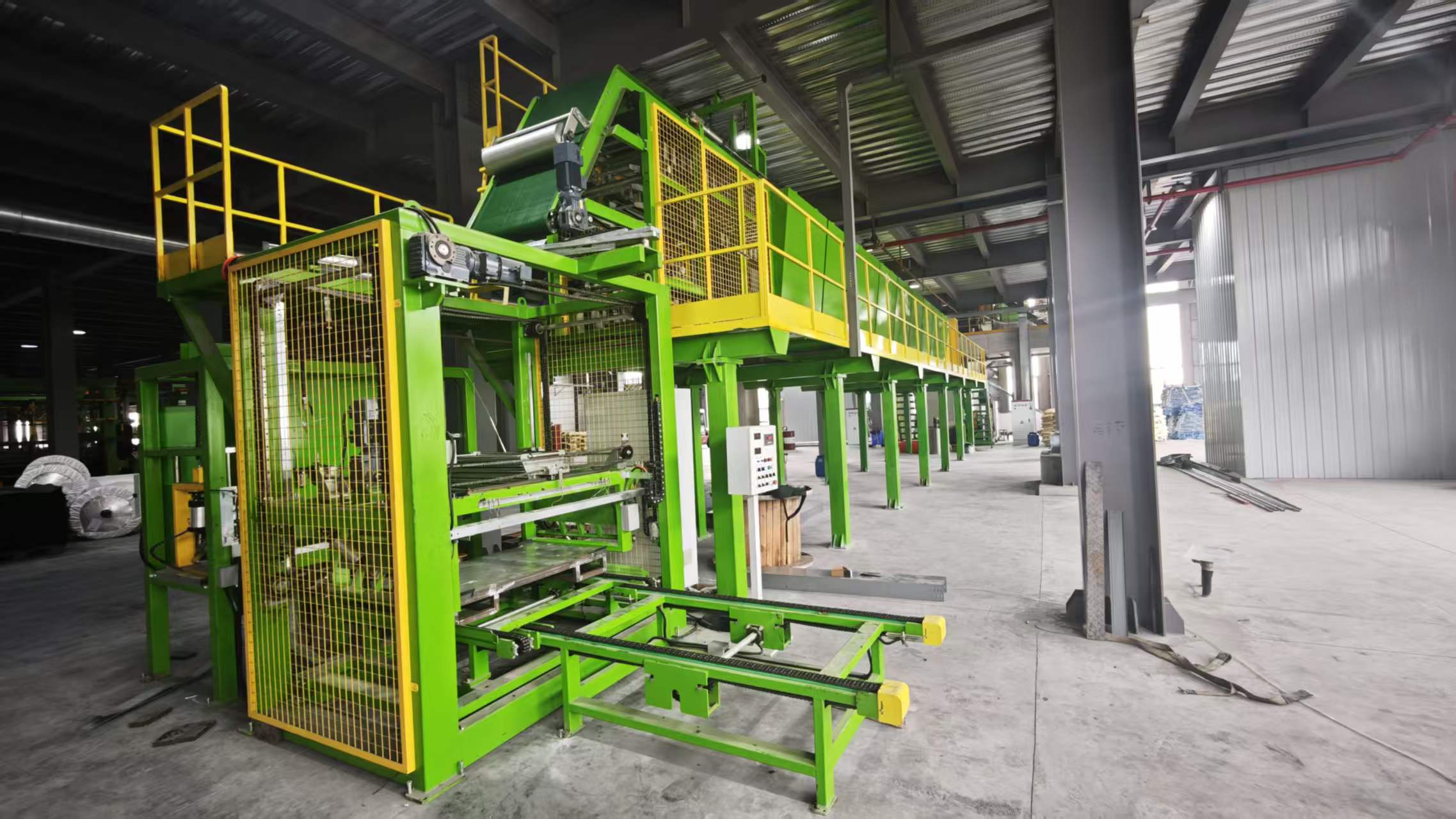
Ask three suppliers to define high performance and you might get three answers that barely overlap. A precision machining shop in Ohio may point to holding tolerances within two microns across a million cycles, while a packaging vendor in Guangdong talks about turnaround time from file approval to dock delivery. Neither is wrong; they simply live inside different corners of the same supply chain.
This divergence comes from how each supplier's margins, equipment, and customer mix shape their operating logic. A contract manufacturer running at 92% capacity sees high performance as minimal unplanned downtime and stable repeat orders. A sheet metal fabricator with excess floor space sees it as the flexibility to absorb a client's sudden design change without slipping other commitments. What looks like underperformance to one buyer—say, conservative lead times—can be the very discipline that keeps another supplier's defect rate low.
The practical takeaway is not to impose a universal scorecard. Procurement teams get better results when they map what high performance must mean for each supplier category, then weight those factors separately. A supplier that excels at cost reduction may never win a speed award, but treating that as a failure ignores the real economics of their operation.
The Cooling Water System Nobody Checks Until It's Too Late
Most plant managers can recite the last time they changed a compressor oil filter or greased a fan bearing. Ask about the cooling water loop and you’ll get a shrug. That loop sits behind a wall or under a floor, doing its quiet work until scale, biofilm, or a stray piece of gasket plugs a strainer. By then the discharge temperature has climbed, the chiller is tripping on high head pressure, and someone is frantically looking for a bypass valve that should have been checked months ago.
The trouble is rarely the water itself. It’s the slow accumulation of things no one sees: mineral deposits from untreated makeup water, biological growth in dead legs, and corrosion flakes that break loose after a flow change. These build up at exactly the places people don’t inspect—pipe bends, heat exchanger tube sheets, and the suction side of pumps. Systems run fine right up until they don’t, and the failure often happens on the hottest day of the year when thermal load is at its peak.
What separates a healthy loop from a costly shutdown isn’t expensive monitoring gear. It’s a simple monthly walk with a flashlight and a logbook. Check strainer baskets, record pressure drops across the heat exchanger, and look for mud or slime in the sight glass. Replace a few gallons of water on purpose to keep dissolved solids from concentrating. That kind of routine feels boring, but it beats learning the hard way that the cooling water system was the one asset nobody thought to check.
Batch Off Lines for Sticky Compounds: What Actually Works
Running a batch off line for sticky compounds often turns into a slow-motion wrestling match with residue. The usual culprit isn't the material itself but the cooling path: if the takeaway conveyor lets the extrudate sag before it firms up, you'll spend half the shift scraping belts and unclogging cutters. A short, chilled water bath right after the die makes a bigger difference than any release agent, because it sets the surface before contact points can grab.
When stickiness persists, the next practical fix is replacing polished metal contact surfaces with textured or coated ones. Mirror-smooth stainless looks impressive but gives sticky polymer a perfect vacuum grip. Sandblasted rollers or a thin PTFE-impregnated sleeve break that suction without adding messy powders. Some lines also benefit from angled air knives at transfer points—not to dry the product, but to create a tiny air cushion that stops the compound from touching a guide rail long enough to bond.
Finally, watch the batch sequencing itself. Sticky formulations build up heat history if you run them back-to-back without a purge step. A five-minute switch to a low-cost polyethylene purge between batches clears the screw and die channels, preventing the caramelized buildup that eventually flakes into the product. It feels like lost time on paper, but compared to stopping the line for a full teardown every third run, it's the cheapest uptime you'll buy.
Factory Audits That Reveal More Than Brochures
Walking through a supplier's facility without a checklist in hand often uncovers what polished marketing materials never will. It is the subtle details—a worker improvising a safety guard, or raw materials stacked in a corner with faded labels—that hint at deeper operational truths. Brochures can promise efficiency and quality, but a factory floor speaks in unvarnished terms about how things really get done.
A meaningful audit goes beyond ticking boxes on compliance forms. It means pausing to watch how machines are maintained between shifts, asking line operators about their last training session, and checking whether the emergency exits are actually accessible or just decorative. These observations, gathered over hours rather than from a conference room presentation, tell you whether the supplier's capabilities match its claims.
The most revealing moments often happen when the tour is over and the official Q&A has ended. A quick walk past the loading dock, a glance at the maintenance log left on a bench, or a casual chat with a forklift driver can expose bottlenecks that no brochure would ever mention. That is where the real factory story begins—not in the glossy photos, but in the unscripted evidence of daily operations.
After the Sale: Getting Support Without the Runaround
You've just handed over your credit card, and the product is yours. But the real test begins the moment something goes wrong. Too many companies treat support as an afterthought—a maze of phone trees, canned email replies, and chat bots that loop you back to the start. You don't need a runaround; you need a clear path to a human who can actually fix the issue. The best support experiences feel less like a battle and more like a quiet conversation that ends with your problem solved.
Start by looking for companies that publish their support process openly. If you can see the steps, the typical wait times, and the exact channels where real staff respond, that's a good sign. Avoid places that hide behind a generic "contact us" form with no phone number or live chat option. When you do reach out, skip the vague "it doesn't work" and describe exactly what you expected, what happened instead, and any error codes. That single habit cuts response time dramatically because you're handing the agent a ready-made ticket instead of a puzzle.
If a company makes you repeat your story three times across email, phone, and social media, that's a red flag. Great support teams share internal notes and treat you like a person with a history, not a new case every time. Keep your own record of interactions—date, name, what was promised—and don't be afraid to escalate politely. A concise recap of your past attempts often unlocks a faster resolution, because it shows you've done your part and simply expect the same effort in return.
FAQ
It takes freshly mixed rubber batches that are still hot and sticky, cools them down to a safe handling temperature, and applies a dip or coating to prevent them from re-sticking before they move to storage or the next production stage.
Chinese builders have invested heavily in heavy fabrication and automation over the last decade, so they can deliver sturdy, customizable lines at a price point that often leaves room for upgrades like better drives or extra cooling sections.
Batch weight, dip tank design, cooling conveyor length, and airflow across the belt all play a role. Buyers should match the line's cooling capacity to the mixer's peak output rather than its average rate.
Ask for detailed photos of recent installations, especially welds, gearbox mounts, and control cabinets. Reputable suppliers will also provide a reference list of customers who run the same capacity range.
Extra dip stations, stainless steel contact parts, automatic batch tracking, variable speed fans, and integration with upstream mixers or downstream stacking systems are frequently requested.
Most established suppliers offer remote commissioning guidance, spare parts lists, and can arrange for an engineer to travel to the buyer's site. Clear documentation and response time commitments matter more than a long warranty period.
Emergency stop cords along the full conveyor, guarded nip points, proper electrical enclosures for dusty environments, and safe access platforms for dip tank maintenance should be standard on any serious system.
Conclusion
A batch off cooling line might look straightforward on paper, but the real differences hide in the details that spec sheets often gloss over. Chinese suppliers use different test conditions, so a "high-performance" rating from one factory can mean half the throughput at another. Check how cooling capacity is measured, what inlet water temperature they assume, and whether the claimed belt speed holds up under continuous load. The cooling water system is a classic weak point: pumps, filtration, and heat exchangers get minimal attention during the sales pitch, yet they determine whether sticky compounds actually release cleanly or end up as a mess on the belt. If you run soft or high-tack materials, don't take a standard design at face value. Ask what modifications—belt coatings, additional air knives, or chilled water sections—have been proven on similar compounds.
Factory audits reveal more than any brochure. On-site, watch how the line is assembled, whether components are sourced from known brands, and how the factory handles thermal expansion or belt tracking under load. These are the same issues you'll face after installation. Support is where many buyers get frustrated, so clarify response times, spare parts availability, and remote troubleshooting before signing. A supplier that can walk you through a previous customer's sticky-compound setup is worth far more than one with a glossy catalog. High performance isn't a single number—it's how the line behaves with your material, your water supply, and your maintenance team. Take the time to verify those factors, and the cooling line becomes a reliable workhorse instead of a costly experiment.
Contact Us
Contact Person: Lareina
Email: [email protected]
Tel/WhatsApp: +86 17561696737
Website: https://www.auguauto.com/