

China Event RFID Wristband: Enhancing Access Control and Engagement at Live Events
2026-07-28
Behind the scenes of China’s most electrifying live events, a quiet tech revolution is reshaping how crowds move, pay, and play. RFID wristbands have become the backbone of seamless entry and richer experiences, and BAOBI is at the heart of this transformation. But how exactly are these smart wearables turning chaotic queues into smooth flows and passive attendees into engaged participants? Let’s take a closer look.
Redefining Entry Management with Contactless RFID Wristbands
Imagine a world where guests breeze through venue check-ins, their identities and preferences acknowledged instantly, without a single physical touchpoint. Contactless RFID wristbands turn this vision into reality, eliminating queues and fumbling for tickets or phones. By simply embedding a tiny chip into a wearable accessory, entry management transforms into a seamless, fluid experience that feels almost invisible—yet is incredibly secure and efficient.
Beyond mere admission, these wristbands redefine interaction. They can unlock personalized greetings, trigger automated services, and even facilitate cashless payments, all while gathering valuable flow data that helps organizers adapt in real time. It’s not just about replacing paper tickets; it’s about crafting an effortless journey where technology recedes into the background, letting the event take center stage.
How RFID Tech Streamlines Crowd Flow at Chinese Venues
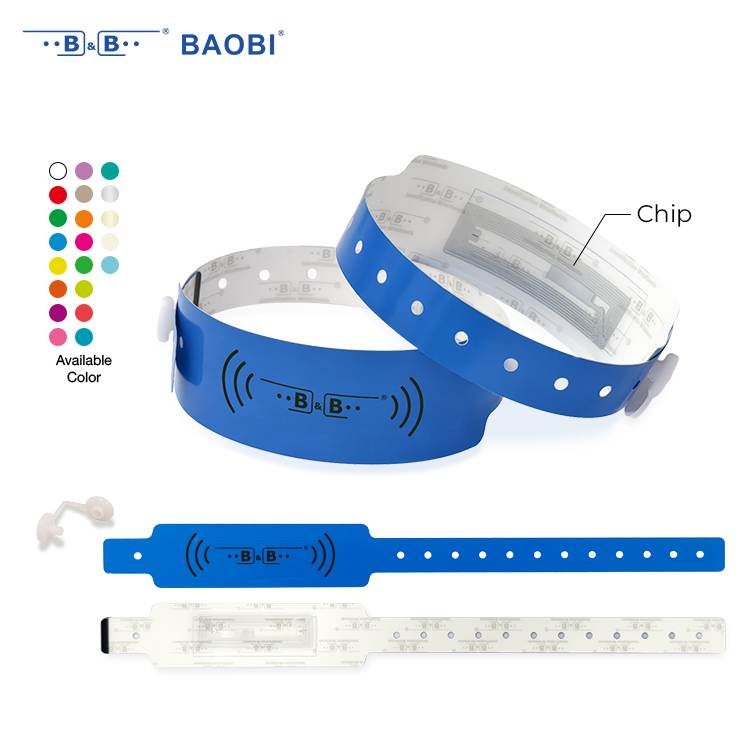
Radio-frequency identification tags have become a quiet but powerful tool in managing large crowds across Chinese stadiums, exhibition halls, and transport hubs. Instead of relying on manual headcounts or fixed cameras, these venues now embed RFID chips into wristbands or tickets, allowing real-time tracking as visitors move through entry gates, concession areas, and exits. Data collected from these scans paints a live picture of density hotspots, letting operators spot bottlenecks before they spiral into gridlock.
What sets RFID apart is its ability to integrate with dynamic signage and staffing adjustments. For instance, if a particular gate at a concert venue starts to clog, the system can instantly reroute incoming guests to less crowded entrances via digital boards, while automatically alerting staff to open additional lanes. This isn't a one-size-fits-all approach—Chinese venues often customize RFID thresholds based on past event patterns, such as peak arrival times for subway-connected stadiums versus those relying on private cars.
Behind the scenes, the tech also refines operations for future events. Anonymized flow data reveals which concession stands draw the biggest queues, or how halftime exits at a basketball game shift pressure onto surrounding corridors. Over time, this feedback loop tightens crowd movement as precisely as a well-rehearsed orchestra, turning chaotic surges into smooth, predictable streams without making visitors feel overly surveilled.
Beyond Tickets: Turning Wristbands into Interactive Tools
Think of a wristband not as a simple entry pass, but as a key that unlocks moments. At its core, this shift transforms a passive attendee into an active participant. Instead of just scanning a barcode, guests can tap their wristbands to instantly share contact info, trigger personalized greetings on nearby screens, or even control elements of the event environment. This fusion of fashion and function turns a forgettable accessory into a memorable part of the experience, sparking conversations and connections that last long after the final curtain.
The real magic happens when wristbands become a canvas for real-time expression. Imagine thousands of synchronized LEDs lighting up in response to the music, turning the crowd itself into part of the show. Or RFID-enabled bands that let you vote on the next song, leave digital graffiti on a communal wall, or automatically post a photo to your social feed at that perfect moment. These interactions blur the line between spectator and co-creator, making each person feel uniquely seen while being part of something bigger. The result is a living, breathing event that evolves with the collective energy of its participants.
Beyond the event floor, the data stream from these interactive bands opens a new world of insight and delight. Organizers can see which activations truly resonated, adjust in real time, and send personalized surprises—like a discount at the bar just when someone needs a refreshment. For attendees, the band becomes a digital diary: a recap of their journey, complete with moments captured and connections made. This isn't just a souvenir; it's a story of their experience, delivered straight to their phone. By reinventing the humble wristband, we turn a five-second transaction at the gate into an ongoing conversation that extends the event’s impact for weeks to come.
Cashless Payments and Real‑Time Data Capture in Action
Walk into any modern retail store, and the soft beep of contactless terminals has replaced the clatter of coins. Customers simply tap their phone or card, and the transaction completes in under a second. Behind that seamless gesture, a flurry of data points—time, location, amount, and even basket composition—are captured and streamed into backend systems without human intervention. This real-time data capture eliminates lag, reduces manual errors, and gives businesses an immediate pulse on revenue flow.
The real power emerges when this instant financial data merges with operational dashboards. Inventory systems update automatically as items are sold, triggering restock alerts before shelves ever go bare. Managers can watch live sales heatmaps and adjust staffing or promotions mid-shift, responding to actual demand rather than yesterday's reports. For accounting teams, reconciliation shifts from a tedious monthly chore to a continuous, verified process—every digital payment leaves a tamper-proof trail that self-audits with shocking accuracy.
Beyond efficiency, the combination of cashless rails and real‑time analytics opens doors to hyper‑personalized customer experiences. Loyalty programs no longer rely on after‑the‑fact uploads; points and rewards credit the moment a purchase is made, while tailored offers can land on a shopper’s phone while they’re still in the aisle. In this environment, payment isn’t just a transfer of value—it becomes a rich signal that feeds the entire business organism, turning every tap into actionable insight.
Security Layers That RFID Wristbands Add to Large Gatherings
Organizers of large events constantly juggle the need for smooth entry flows with the paramount importance of keeping attendees safe. RFID wristbands step in as a quiet, powerful ally, layering security in ways that feel effortless to guests but are instantly actionable for staff. Each wristband carries a unique encrypted identifier that can be linked to a verified ticket purchase and, if desired, a photo ID check at registration. This simple link means that a stolen or duplicated paper ticket becomes useless, because the system knows the band has already been assigned and scanned in. What’s more, the wristband’s presence on a person’s wrist—rather than in a pocket or bag—makes it much harder to pass back to someone outside the venue, closing a common gate‑crashing loophole.
Beyond perimeter control, RFID readers placed at internal checkpoints add invisible barriers without requiring physical stops. These zones can quietly confirm that only ticket holders with the correct access tier enter VIP lounges, backstage corridors, or alcohol‑service areas, where age verification can be baked into the wristband’s data. In an emergency, the same technology shifts from gatekeeper to guardian: if an evacuation is needed, live read points can show which areas still have people, guiding response teams precisely. Because the wristband itself stores no personal details—only a random token that references an encrypted database—a lost or discarded band doesn’t leak sensitive information. The data stays behind layers of server‑side protection, leaving the physical item worthless to anyone who might find it.
The stealthiest security feature, however, is the wristband’s ability to reveal crowd movement patterns that no camera or guard could easily track all day. By anonymously logging tap‑ins at attractions, food stalls, or seminar rooms, organizers spot unusual buildups or dead zones in real time and can redirect foot traffic before a crush develops. Counterfeiting a wristband on the fly is also surprisingly difficult: manufacturers embed tamper‑evident designs that destroy the internal antenna if cut or stretched, and each band’s chip carries a digital signature that off‑the‑shelf cloners cannot replicate without access to the event’s private encryption keys. All these layers work together so that the secure environment feels natural—a wristband that simply opens doors, pays for a drink, or remembers a schedule—while a web of verification hums behind the scenes, keeping the gathering both open and safe.
Why Event Organizers in China Are Switching to Smart Wristbands
The shift isn't just about upgrading technology—it's about solving very real, on-the-ground problems that plague large gatherings here. China's event landscape is unique: crowds can easily reach tens of thousands, and with mobile payments already such a deeply ingrained habit, attendees expect speed and seamlessness. Traditional paper tickets or plastic wristbands force staff to scan then fumble with cash or POS machines for every purchase, creating bottlenecks that are both a safety concern and a source of attendee frustration. Smart wristbands that integrate WeChat Pay or Alipay cut that entire friction point. They let participants zip through entry points, grab a drink, and snap up merchandise with a quick tap—keeping the energy high and lines moving.
Beyond convenience, these wristbands are handing organizers a treasure trove of real-time behavioral data that completely reframes how they plan and monetize events. You can see which stages are drawing crowds, where foot traffic gets congested, and which vendors are thriving—all while the event is unfolding. Instead of waiting for post-event surveys, a team can instantly notice that a certain food stall is overwhelmed and redirect traffic by pushing a notification through the companion app. Brand partners get transparent proof of engagement, not just estimated impressions. That means better sponsorship deals, smarter resource allocation, and the ability to fine-tune every edition based on hard numbers rather than guesswork.
There's also a subtler, more human layer: the psychological comfort of letting people leave their phones and wallets tucked away. Pickpocketing and lost property are persistent headaches at crowded events, and a simple, wearable device reduces that anxiety. Combined with access control perks—like auto-locking out counterfeit tickets and improving perimeter security—smart wristbands create an environment where attendees can actually immerse themselves instead of worrying about their belongings. For organizers, that boost in perceived safety and ease directly translates into higher return attendance and stronger word-of-mouth, which is arguably the most valuable metric of all in China's hyper-competitive event market.
FAQ
It's a wearable band embedded with a radio-frequency identification chip. Attendees simply tap their wristband on a reader to gain entry, make cashless payments, or interact with event features, eliminating queuing and physical tickets.
They turn passive spectators into active participants. With a quick scan, guests can join live polls, access exclusive content, share experiences on social media, or unlock gamified challenges, making the event more immersive and memorable.
Chinese manufacturers often integrate advanced anti-counterfeiting measures, customizable NFC chips for smart device pairing, and weather-resistant materials suited for large-scale festivals. The supply chain agility also allows for rapid, cost-effective customization with vibrant, culturally relevant designs.
Absolutely. Leading providers use encrypted data and unique tag identifiers (TIDs) that are nearly impossible to duplicate. Combined with real-time blacklisting and server-side validation, they create a fortress around your event's access points and payment systems.
Yes, and they often do it better. By paying with a wristband tap, events become completely cashless, drastically cutting transaction times, reducing theft risks, and giving organizers valuable insights into spending patterns without ever handling physical money.
Through a centralized software dashboard, they monitor real-time crowd flow, hot zones, and engagement metrics. This data helps dynamically adjust staffing, prevent bottlenecks, and tailor future events based on solid behavioral analytics, not guesswork.
Music festivals, corporate conferences, sports matches, and theme parks see the greatest impact. Any gathering where fast entry, cashless convenience, and attendee insight matter will find these wristbands transformative, turning logistical headaches into seamless experiences.
Conclusion
Event organizers across China are rapidly adopting RFID wristbands to completely reshape how attendees enter and move through venues. Gone are the days of fumbling with paper tickets or staring at slow‑loading QR codes; a simple tap of a wristband against a reader lets guests walk through gates in a fraction of a second. This contactless approach doesn’t just speed up admission—it fundamentally changes the feel of an event from the very first moment. The technology quietly manages crowd density in real time, directing foot traffic away from bottlenecks and toward less congested areas, all while letting staff focus on hospitality rather than scanning clipboards. For large‑scale festivals, sports matches, and concerts, that kind of invisible orchestration means shorter lines, calmer entryways, and a smoother start for everyone.
Beyond simply replacing tickets, these wristbands have become interactive companions that unlock cashless payments, personalized experiences, and a new level of security. An attendee can buy a drink or merchandise with a flick of the wrist, and organizers instantly see which vendors are thriving and which zones need more attention—data that used to arrive too late to matter. Meanwhile, each wristband carries a unique encrypted ID, making it nearly impossible to counterfeit or transfer, and gives security teams pinpoint visibility of who is onsite at any moment. When combined with geofencing and instant deactivation of lost bands, large gatherings feel safer without the heavy‑handed checkpoints that dampen the mood. It’s this blend of frictionless access, operational insight, and layered safety that is convincing Chinese event planners to leave behind traditional credentials and embrace a wristband‑first future.
Contact Us
Contact Person: Bill Xu
Email: [email protected]
Tel/WhatsApp: 8618688898707
Website: https://www.baobitech.com/