

China High Intensity Focused Ultrasound: Advancing Noninvasive Therapy
2026-09-01
What if the next leap in noninvasive therapy isn't coming from Silicon Valley or Seoul, but from China's rapidly maturing HIFU sector? High intensity focused ultrasound has moved beyond academic papers into real-world applications—shrinking tumors, soothing chronic pain, and lifting skin without a single incision. Companies like Omeina are making this technology more accessible and refined than ever. If you've been watching HIFU from the sidelines, here's why China's momentum deserves your attention.
What Is High-Intensity Focused Ultrasound and How Is China Using It?
High-intensity focused ultrasound, or HIFU, is a non-invasive therapeutic technique that concentrates ultrasound waves onto a precise point inside the body. Unlike diagnostic ultrasound, which uses low-energy sound waves to create images, HIFU delivers high-energy beams that rapidly heat targeted tissue to temperatures above 60°C, causing coagulative necrosis while leaving surrounding structures largely unharmed. This approach requires no incisions, needles, or radiation, and it can be guided by magnetic resonance imaging or real-time ultrasound for accuracy.
In China, HIFU has moved far beyond the experimental stage and is now integrated into routine care for a range of solid tumors. It is most commonly employed to treat uterine fibroids, adenomyosis, liver cancer, pancreatic cancer, and bone metastases. Chinese hospitals often use HIFU in combination with other modalities like transarterial chemoembolization or systemic therapy, aiming to reduce tumor burden without the risks of open surgery. The country has also invested heavily in domestic HIFU device manufacturing, with brands such as Haifu and Chongqing Ronghai exporting systems to dozens of nations.
One distinctive aspect of China's adoption of HIFU is its integration into traditional Chinese medicine frameworks. Some practitioners use HIFU as a "knifeless surgery" that aligns with the principle of minimal bodily disruption, while others pair it with herbal protocols intended to support recovery. Although long-term efficacy data remain mixed for certain cancer types, the sheer volume of procedures performed in Chinese hospitals—tens of thousands annually—has generated practical expertise that influences global guidelines, particularly for uterine-sparing treatments.
China’s HIFU Devices: Technical Advances and Clinical Adoption
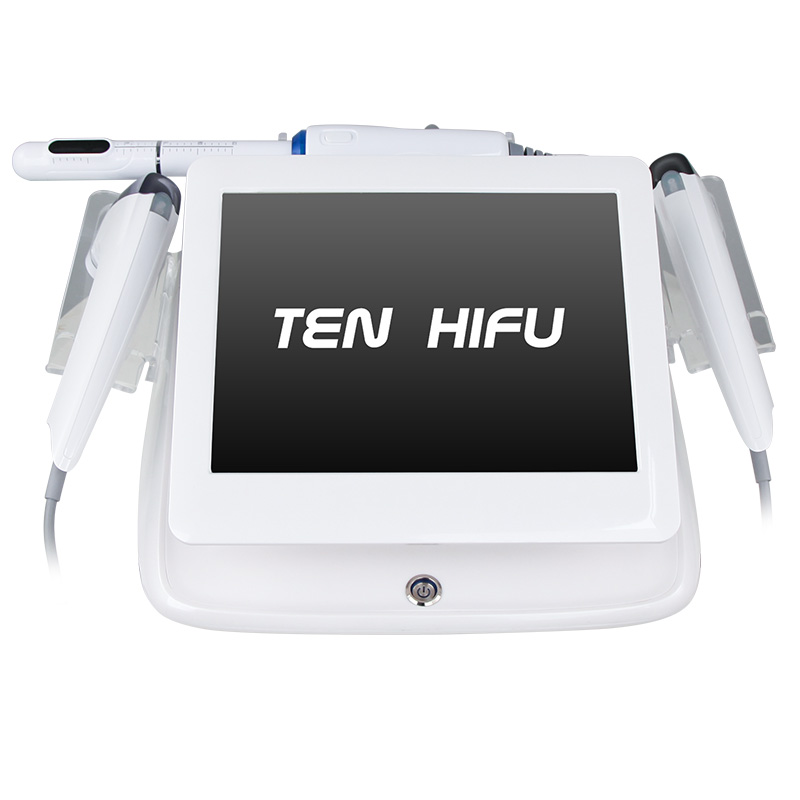
Over the past decade, Chinese manufacturers have pushed high-intensity focused ultrasound (HIFU) beyond the confines of research prototypes. Multi-element phased-array transducers now achieve sub-millimeter focal precision, while integrated real-time ultrasound or magnetic resonance imaging provides continuous thermal feedback. Several domestic systems have moved from fixed-geometry single-element designs to dynamically steerable arrays, allowing clinicians to ablate irregular tumor margins without repositioning the patient. Advances in piezoelectric composites and cooling channels have also reduced near-field skin burns, a common limiting factor in earlier generations.
This technical momentum has translated into tangible clinical uptake. In large urban hospitals, HIFU is no longer reserved for uterine fibroids alone; liver, pancreatic, and bone metastases are now treated with the modality as part of palliative or curative-intent protocols. The absence of incisions, short recovery times, and lower consumable costs compared with radiofrequency or microwave ablation have made HIFU attractive in high-volume oncology centers. Training programs at tertiary institutions have standardized treatment planning, and some provincial medical insurance schemes now reimburse selected HIFU procedures, which has further accelerated adoption outside academic settings.
Yet clinical expansion remains uneven. Operator expertise heavily influences outcomes, and long-term survival data are still maturing for several indications. Rural and county-level hospitals often lack the technical support required to maintain and calibrate these systems. Nonetheless, Chinese HIFU manufacturers continue to refine software algorithms for automated target tracking and motion compensation, aiming to reduce dependence on highly skilled sonographers. Collaborative registries with European and Asian partners are gradually building the comparative evidence that will determine whether this technology becomes a mainstream tool or remains a specialized option in selected centers.
Noninvasive Tumor Ablation: Chinese Hospitals Report Shorter Recovery
A shift is underway in how some Chinese oncology departments handle small liver and kidney tumors. Instead of open resection, physicians now rely on high-intensity focused ultrasound or microwave probes guided by real-time imaging. Patients typically walk out of the procedure room within hours, and many resume routine meals the same evening. One Beijing hospital reported that median inpatient stay after thermal ablation dropped from six days to two compared with resection, with fewer opioid prescriptions written at discharge.
The recovery difference shows up in more than charts. Nurses describe patients asking for solid food sooner and moving without assistance on the first postoperative morning. Because no large incision is made, wound-related complications such as infection or dehiscence are rare. Some centers have begun same-day discharge protocols for lesions under three centimeters, with follow-up imaging scheduled at four to six weeks. This does not erase all risks—skin burns and transient pain remain possible—but the overall trajectory favors faster return to work.
Long-term outcomes appear comparable for well-selected cases, though surgeons caution that ablation suits tumors with clear margins and no major vessel involvement. The real advantage may be economic as well as clinical: shorter bed occupancy frees resources for advanced cases, and families spend less on hospital accommodation. As more provincial hospitals adopt the equipment, the definition of “surgery” is quietly expanding to include procedures that leave no scar at all.
Patient Selection for HIFU in China: Who Benefits Most?
HIFU, or high-intensity focused ultrasound, has carved out a unique niche in China's non-invasive treatment landscape. But its effectiveness isn't universal—certain patient profiles respond far better than others. Clinicians typically see the strongest outcomes in patients with early-stage, well-localized tumors, particularly in the liver, pancreas, or uterus. These individuals usually have a single lesion under 5 cm in diameter, no major blood vessel involvement, and a clear acoustic window on imaging. The procedure's reliance on real-time ultrasound guidance means patients with significant abdominal scarring, severe obesity, or excessive bowel gas often face technical limitations that reduce the likelihood of complete ablation.
Age and baseline health also play a decisive role. Younger patients with preserved organ function and no prior radiation or major abdominal surgery tend to tolerate the treatment better and heal faster. Conversely, those with diffuse metastatic disease, uncorrectable coagulopathy, or tumors directly abutting hollow viscera are generally poor candidates. In practice, many Chinese centers use a scoring system that weighs tumor size, location, and patient performance status. For women with symptomatic uterine fibroids, HIFU shines for those who want to preserve fertility or avoid hysterectomy—especially when the fibroid is intramural and hyperintense on T2-weighted MRI. The key is patient-specific imaging review before committing to the procedure.
Perhaps the most underappreciated factor is patient expectation and follow-up compliance. HIFU is not a one-time fix for aggressive or multifocal disease. The best outcomes occur in patients who understand the need for repeated imaging at 1, 3, and 6 months, and who are willing to combine HIFU with adjuvant therapies like transcatheter arterial chemoembolization for liver lesions. Interestingly, China's vast experience with HIFU has led to a more pragmatic selection approach: rather than strict exclusion criteria, many experts now focus on "ablation potential"—a dynamic assessment of how much tumor volume can be safely treated in one session. This nuanced view helps explain why a patient with a 7 cm hepatocellular carcinoma but excellent liver reserve might still benefit, while a 3 cm pancreatic tumor encasing the celiac axis often does not.
Comparing HIFU Outcomes With Conventional Surgery in Chinese Cohorts
In Chinese cohorts, comparing HIFU with conventional surgery rarely yields a clean head-to-head result because the patients are not identical to begin with. Most published series are retrospective and show similar five-year disease-free survival rates, but the HIFU group tends to be older or carry more comorbidities, which could mask a real therapeutic advantage or disadvantage. Without randomization, the survival figures must be read with caution.
Short-term recovery clearly separates the two approaches. HIFU patients in these studies typically spend fewer days in hospital, lose less blood, and avoid the wound infections or anastomotic leaks seen after open or laparoscopic resection. Yet long-term functional outcomes are less predictable: some Chinese cohort reports describe better urinary continence and sexual function after HIFU, while others find no meaningful difference once baseline status and surgical nerve-sparing technique are controlled.
Recurrence patterns also differ in ways that matter for follow-up. HIFU can leave a slightly higher rate of local margin recurrence because the surrounding tissue is preserved, though these cases often remain salvageable with later surgery or repeat ablation. Surgical cohorts, by contrast, show more lymph node or distant relapse, which may reflect the more complete pathological staging that resection provides. In practice, Chinese centers weigh tumor location, institutional experience, and patient preference as heavily as raw oncologic outcomes when choosing between HIFU and conventional surgery.
Regulatory and Training Landscape for HIFU in China
The regulatory pathway for high-intensity focused ultrasound devices in China falls under the National Medical Products Administration, which classifies most HIFU systems as Class III medical devices. This designation demands rigorous clinical evaluation before market approval, and domestic manufacturers such as Chongqing Haifu and Yuande have navigated these requirements to secure clearances for indications like uterine fibroids, liver tumors, and pancreatic cancer. Post-market obligations include adverse event reporting and periodic safety updates, with many hospitals also required to register each HIFU procedure in local health databases to track long-term outcomes.
Training expectations are shaped less by a single national mandate and more by a blend of manufacturer-led programs, hospital credentialing committees, and specialty societies. For instance, the Chinese Medical Doctor Association has issued guidance on HIFU competency that covers ultrasound image interpretation, real-time temperature monitoring, and emergency shutdown protocols. Clinicians typically complete a supervised case series before operating independently, and some provinces now require operators to hold certification in either interventional ultrasound or image-guided therapy, creating a patchwork of regional standards that manufacturers often help standardize through their own training centers.
Recent shifts in China's regulatory thinking have started to favor conditional approvals based on real-world evidence for certain HIFU applications, particularly for pain palliation and benign tumors, which shortens the timeline for new entrants. At the same time, training has grown more interdisciplinary, with anesthesiologists and radiologists participating alongside surgeons, reflecting the intraoperative imaging demands of HIFU. Still, the absence of a unified national curriculum means that a physician's readiness depends heavily on the depth of the device vendor's educational infrastructure and the willingness of individual hospitals to invest in ongoing simulation-based refreshers.
FAQ
HIFU concentrates multiple ultrasound beams on a precise point inside the body, raising the temperature rapidly to cause coagulative necrosis while leaving surrounding structures largely untouched. Because the energy passes through the skin without any cut, patients avoid surgical wounds and general anesthesia in many cases.
Chinese hospitals have treated a large number of patients with uterine fibroids and solid tumors, which generates substantial real-world data. Domestic manufacturers also pushed device costs down, making the technology more accessible across county-level hospitals and encouraging faster protocol refinement.
Uterine fibroids and adenomyosis are among the most frequent indications, followed by liver cancer, pancreatic cancer for pain palliation, bone metastases, and some soft tissue tumors. Essential tremor and Parkinson's disease are also being explored in a few specialized neurosurgery departments.
Many patients walk within hours and go home the same day or the next morning. There is no large incision, less blood loss, and a lower risk of wound infection. However, the treatment is not instant; the body still needs weeks to months to absorb the destroyed tissue, so symptom relief can be gradual.
Skin burns, nerve injury if the beam path crosses sensitive structures, and incomplete ablation of large or moving tumors are the most commonly cited concerns. Bowel loops or ribs in the ultrasound path can block treatment, and some patients need repeat sessions or adjuvant therapy to achieve the desired outcome.
The National Medical Products Administration has approved several domestic HIFU systems for specific indications, and many provinces include the procedure in public hospital pricing schedules. That regulatory clarity, along with local training programs, has helped move HIFU from a research tool into routine gynecological and oncology workflows.
Researchers are testing real-time MRI or ultrasound thermometry to monitor ablation margins, combining HIFU with immunotherapy for metastatic tumors, and comparing long-term fertility outcomes after treating uterine fibroids. Multicenter registries are also tracking recurrence rates and quality-of-life scores to better define which patients benefit most.
The focus is shifting toward more portable systems for outpatient clinics, integration with robotic navigation for moving organs like the liver and kidney, and evidence-based protocols for neurological disorders. As transducer materials and imaging feedback improve, the goal is to make HIFU a first-line option for selected patients rather than a fallback after surgery or radiation.
Conclusion
High-intensity focused ultrasound has moved from experimental curiosity to a practical tool in many Chinese hospitals, where it is used to ablate tumors without a single incision. Devices developed in China, such as those from Chongqing and Shanghai, now integrate real-time imaging and motion tracking, letting clinicians treat liver, pancreatic, and uterine lesions that were once considered too risky for thermal ablation. The clinical appeal is straightforward: patients often go home within a day or two, and recovery times are markedly shorter than after open or even laparoscopic surgery. This shift has been driven by careful patient selection—physicians look for tumors in accessible locations, with clear acoustic windows and manageable blood supply, making the therapy especially suitable for older patients or those with comorbidities who would struggle with general anesthesia.
When outcomes are compared with conventional resection in Chinese cohorts, HIFU frequently matches tumor control rates for selected cases while avoiding blood loss, wound infections, and prolonged hospital stays. It is not a universal replacement for surgery, but it has carved out a clear niche in palliative care and in treating benign conditions like uterine fibroids. The regulatory framework has also matured: training programs and certification standards now exist across major medical centers, and device approvals follow stricter clinical trial requirements than in the early days. This combination of technical refinement, clinical evidence, and professional oversight is turning China into a global reference point for noninvasive focused ultrasound therapy.
Contact Us
Contact Person: Tina Liu
Email: [email protected]
Tel/WhatsApp: 8618681405932
Website: https://www.omeinabeauty.com/