

China Ultrasonic Cavitation Machine: The Ultimate Guide to Body Sculpting Technology
2026-11-16
If you've been chasing a non-invasive path to a more sculpted silhouette, you've probably stumbled across ultrasonic cavitation—and for good reason. China has quietly become the powerhouse behind some of the most advanced body contouring devices on the market, blending cutting-edge ultrasound technology with surprisingly accessible design. At the heart of this movement, Omeina stands out not just as a brand, but as a gateway to understanding how these machines actually work, what to look for, and why a made-in-China label can signal serious quality. This guide strips away the hype, so you can decide if the technology lives up to the promise.
How Ultrasonic Waves Reshape Fat Cells at Their Core
At a fundamental level, the interaction between ultrasonic energy and adipose tissue isn’t about melting or dissolving fat—it’s a mechanical dialogue that targets the structural integrity of the fat cell itself. When low-frequency sound waves pass through the skin, they create alternating pressure cycles that generate microscopic bubbles within the interstitial fluid surrounding adipocytes. These bubbles don’t simply pop; they oscillate, expand, and eventually collapse in a phenomenon known as stable and inertial cavitation. The sheer mechanical stress from these implosions sends shockwaves directly into the fat cell membrane, momentarily stretching it beyond its elastic limit. This repeated microtrauma disrupts the phospholipid bilayer, causing tiny, irreparable perforations. Once the cell’s protective boundary is breached, its contents—primarily triglycerides—begin to leak into the extracellular space, triggering a natural metabolic cleanup process.
Beyond the immediate physical damage, ultrasonic waves initiate a chain reaction inside the adipocyte that reshapes its very destiny. The vibrations don’t just stay at the surface; they propagate as acoustic streaming, creating microcurrents in the cytoplasm that disturb the delicate architecture of lipid droplets. These droplets, normally cocooned by perilipin proteins to prevent untimely breakdown, get physically dislodged and fragmented. The shear force exposes the stored fat molecules to cytoplasmic lipases, enzymes that are normally held in check. This forced enzymatic contact accelerates the hydrolysis of triglycerides into free fatty acids and glycerol, effectively pre-digesting the fat while it’s still inside a dying cell. Meanwhile, the agitation destabilizes the cell’s cytoskeleton and nucleus, activating stress-responsive pathways that can tip the adipocyte toward apoptosis—a programmed death far cleaner than necrosis, with minimal inflammation.
What sets ultrasonic reshaping apart is how it coax the body’s own systems to finish the job. The leaked fatty acids and cellular debris aren’t simply left behind; they are picked up by the lymphatic system and shuttled to the liver for processing. The targeted fat layer undergoes a remodeling process where the remaining adipocytes, now more densely packed, actually shrink in size rather than being eliminated en masse, which preserves tissue contour while reducing volume. Crucially, unlike thermal or chemical methods that can damage surrounding connective tissue and blood vessels, this purely mechanical approach leaves the scaffolding of the skin intact—collagen and elastin fibers remain untouched, often even stimulated by the gentle heating from cavitation. The result is a gradual, natural-looking reduction that mimics how the body itself mobilizes fat stores during sustained physical activity, but directed precisely where you want it.
Why Chinese Manufacturers Lead the Cavitation Market
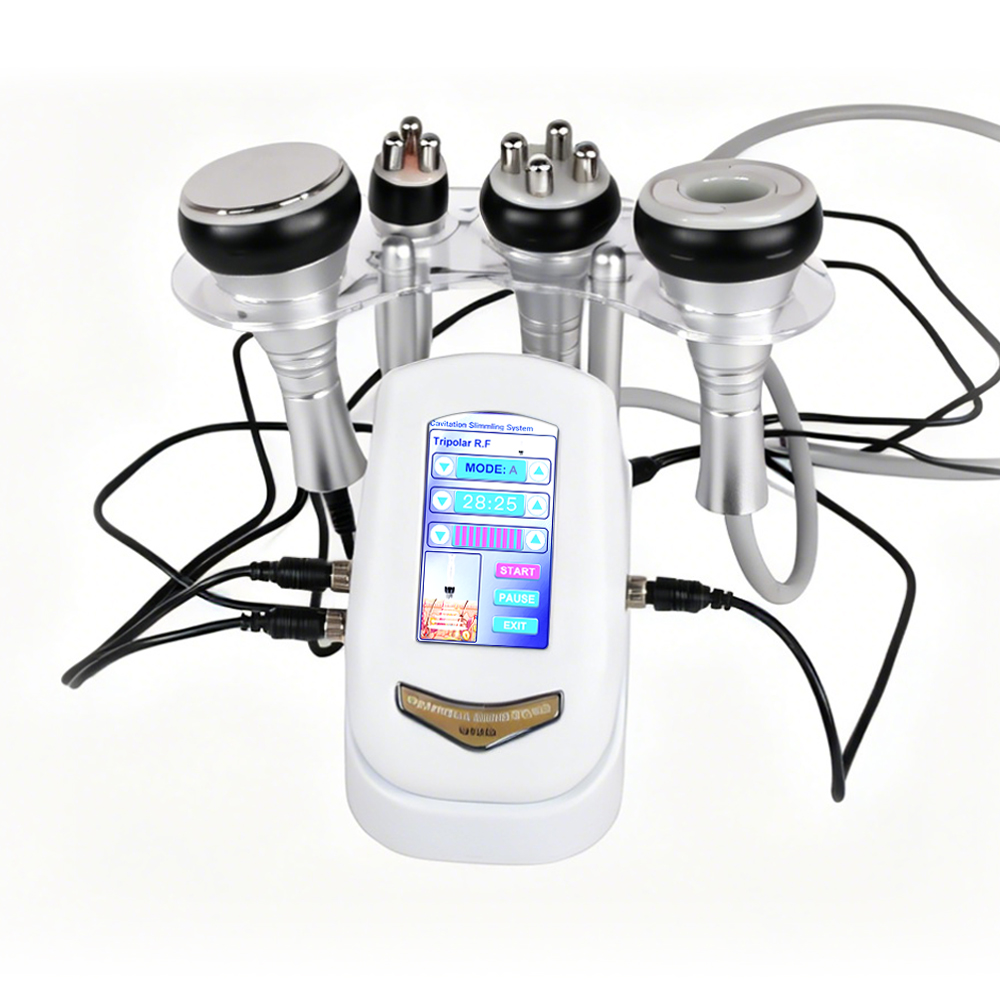
The dominance of Chinese manufacturers in cavitation technology isn’t accidental—it’s rooted in a dense, ever-evolving supply chain that can pivot faster than most competitors realize. Clusters of specialized material suppliers, precision engineering workshops, and testing facilities sit within tight geographic loops, slashing lead times and enabling rapid prototyping cycles that larger, more fragmented ecosystems simply cannot match. This proximity isn’t just about cost; it’s about a feedback rhythm where a design tweak in the morning can be validated by afternoon, compressing years of iterative refinement into months.
What’s often overlooked is the willingness to invest in application-specific R&D that ignores the one-size-fits-all approach common elsewhere. Instead of treating cavitation generation as a commodity, leading firms dispatch engineers directly onto customer production floors—dye factories, wastewater plants, food processing lines—to map the actual fluid dynamics at play. That gritty, on-the-ground data feeds back into custom transducer arrays and reactor geometries that handle real-world viscosity swings or particulate loads without choking, a level of tailoring that turns a generic lab instrument into a workhorse tailored for a single factory’s rhythm.
The final piece sits in how maintenance and scaling are baked into the initial design philosophy. Many Chinese builders prioritize modular, field-replaceable horn tips and driver boards that a plant’s own electrician can swap during a short production halt, sidestepping the high-skilled labor dependencies that inflate downtime in other markets. Combined with robust local stockpiles of spare parts and a cultural tolerance for intense after-sales responsiveness—sometimes via WeChat troubleshoots at odd hours—you get a reliability cushion that goes far beyond spec sheets. It’s not just selling a machine; it’s embedding a support logic that keeps lines moving.”
Choosing a Device That Fits Your Practice, Not Just the Brochure
It’s easy to get swept up by glossy product pages, but a device that looks perfect on paper often falls apart when it meets the realities of your daily workflow. Instead of fixating on spec sheets, start with the friction points in your current setup. Is it the weight that strains your wrist after hour three? The battery that dies during a home visit? The screen that’s unreadable in the very lighting conditions you actually work under? List those moments first—because the right tool doesn't just check boxes, it quietly removes obstacles you’ve learned to live with.
Another trap is imagining how you’d use a device rather than observing how you actually use it. For a week, note every time you have to juggle cables, switch apps, shield the display from glare, or adjust your position just to make things functional. When you test a potential replacement, mimic the same chaotic Tuesday morning, not the calm demo environment. If the device demands that you adapt your habits rather than adapting to them, it’s already losing its place in your practice.
Finally, look past the headline features and ask what it doesn’t advertise: how does it feel in a backpack all day? What’s the repair cost when, not if, it gets knocked off a desk? Can you run your core software without a workaround? Brochures show you an aspirational version of your workflow; your hands and your schedule show you the truth. A well-chosen device disappears into the background, letting you focus on the work itself—not on the machine.
What Happens Inside Your Body During a Session
The moment you settle into your first deep breath, your nervous system begins to rewire itself. The sympathetic "fight or flight" dominance fades, and the parasympathetic branch gently takes over—heart rate dips, blood pressure softens, and cortisol levels start their slow descent. It’s not just relaxation; it’s a chemical shift where acetylcholine floods the system, telling your muscles to let go and your organs to slide into a restful, healing mode.
Beneath the skin, blood flow reroutes dramatically. Capillaries in muscles that were tense just moments ago begin to dilate, delivering oxygen and flushing out metabolic waste like lactic acid. Your brain’s activity pattern changes, too—alpha waves become more prominent, pushing aside the beta-heavy clutter of daily stress. This electrical calm triggers a cascade of mitochondrial efficiency, meaning your cells literally produce more energy with less effort, leaving you feeling recharged rather than drained.
On a deeper level, the session sparks a cellular clean-up known as autophagy. Damaged proteins and worn-out organelles get tagged and broken down, making room for fresh, resilient components. Your gut might even chime in—peristalsis normalizes, and the enteric nervous system, often called the second brain, stabilizes its rhythm. It’s a quiet, full-body recalibration that lingers long after you stand up from the mat or cushion.
Pairing Cavitation with Other Modalities Without Overloading the Skin
Layering treatments always sounds like a shortcut to better results, but skin has its limits. Ultrasonic cavitation already asks a lot from the tissue—disrupting fat cells through low-frequency sound waves creates a controlled inflammatory response that needs time to settle. When you’re thinking about combining it with radiofrequency, lymphatic massage, or even a chemical peel, the real art lies in timing and sequence. Instead of stacking everything in one marathon session, a smarter rhythm might be spacing cavitation and radiofrequency across two separate appointments—cavitation first to destabilize the fat, then RF days later to tighten without overwhelming the metabolic waste clearance pathways.
There’s a common myth that more heat or more suction equals faster sculpting, but overloaded skin tends to rebel with dullness, redness, or sluggish healing. One approach that often gets overlooked is using gentle manual drainage as a bridge between modalities—not as a standalone treatment, but as a quiet reset that helps the lymphatic system keep pace. Another underused trick is paying attention to regional tolerance: the inner thighs might tolerate back-to-back modalities better than the delicate upper arm area, so customization beats a rigid protocol every time. The goal isn’t to avoid pairing entirely; it’s to read the skin’s feedback and dial things back before it hits the point of protest.
Debunking Myths Around Pain, Safety, and Long-Term Results
The idea that meaningful progress must come through suffering is one of the most stubborn ideas people hold onto, yet it rarely holds up under scrutiny. Discomfort and pain are not the same thing, and confusing the two often leads people to push through signals their body is sending for a reason. Sharp, stabbing sensations, pain that lingers well after an activity, or anything that alters how you move day to day is not a badge of effort—it is a warning. Distinguishing between the burn of a muscle working hard and the edge of joint or nerve distress is where real safety begins, not in avoiding effort altogether but in knowing which sensations to heed and which to work through gradually.
Safety is frequently misrepresented as an all-or-nothing bargain, where you either go hard or wrap yourself in cotton wool. The reality is far more nuanced and relies on understanding capacity, load management, and the remarkable adaptability of the human frame. What seems risky today often becomes routine months from now, not because the danger vanished but because the tissues and neural pathways adapted. The real threat usually is not a single motion but a sudden spike in intensity, volume, or a new movement pattern introduced without a graded onboarding. People who stay injury-free are rarely the ones who avoid everything that looks daunting; they are the ones who respect where their body is on a given day and build tolerance methodically, without making perfect form a religion or fear a guiding principle.
When it comes to long-term results, the biggest myth is that they hinge on finding the perfect program or the most extreme protocol. Lasting change is far more mundane and far more powerful: it grows out of consistency glued together with patience. The person who shows up moderately three times a week for years will almost always outpace someone oscillating between heroic bursts of effort and weeks of forced rest. Chronic pain, re-injury, and stalled progress are often the dirty fingerprints of an all-or-nothing mindset, not proof that the body is broken. True long-term results are boring from the outside—a steady accumulation of small, unglamorous wins—and that steadiness is precisely what separates the fleeting from the durable.
FAQ
It's a non-invasive treatment that uses low-frequency sound waves to create tiny bubbles around fat deposits. These bubbles implode, rupturing fat cell membranes without harming surrounding tissues. The released fat is then naturally processed by the lymphatic system and liver, leading to inch loss and smoother contours over a few weeks.
China has built an advanced manufacturing ecosystem for aesthetic devices, combining precision engineering with cost efficiency. Many factories there specialize in ultrasonic technology, allowing them to produce reliable machines that meet international safety certifications like CE and FDA clearance, all while offering customization options that clinics look for.
Most people feel a warm tingling sensation and hear a subtle buzzing. It's completely comfortable—some even compare it to a hot stone massage. There's zero downtime; you can walk out and resume your day. You might notice some mild redness or increased urination as the body flushes out fat, but that's it.
It shines on pockets of stubborn fat that resist diet and exercise. The abdomen, flanks, thighs, and upper arms are classic treatment zones. It's also effective for smoothing out back fat and reducing the appearance of cellulite on the buttocks. The key is treating localized deposits, not overall obesity.
The golden rule is to move and hydrate. Light cardio like brisk walking for 20–30 minutes keeps the lymphatic system pumping. Drink at least half a gallon of water that day to aid fat elimination. Avoid alcohol and heavy meals for 24 hours, as they can slow liver metabolism. Some therapists also recommend dry brushing or a sauna session.
All three destroy fat cells, but the mechanism differs. Cryolipolysis freezes fat, requiring 1–3 months for full results and carries a risk of paradoxical fat growth. Laser lipo uses heat and often needs multiple sessions for moderate fat loss. Ultrasonic cavitation stands out for instant visible inch loss, painless application, and the ability to treat larger areas in one go without suction or cold burns.
Yes, the fat cells destroyed during treatment are gone for good, as adults don't grow new ones. But the remaining fat cells can still expand if you gain weight. Maintaining a stable lifestyle with balanced nutrition and regular exercise ensures the contouring lasts. Think of it as resetting your body's shape potential, not a one-time fix.
Look beyond price tags. Verify the actual frequency—40KHz is the sweet spot for body contouring—and check for medical-grade transducers that won't overheat. Request real third-party testing reports like FCC or CE certificates. A factory tour video or a sample order can reveal build quality. Also, ensure they provide thorough training materials and responsive after-sales support, because even the best hardware is useless without guidance.
Conclusion
Ultrasonic cavitation doesn’t try to burn fat the way dieting does; it physically disrupts it. Low-frequency sound waves create thousands of microscopic bubbles inside fat cells, making them vibrate until their membranes collapse. The released triglycerides then travel through the lymphatic system to be metabolized naturally. This intracellular approach explains why Chinese factories refined the technology so quickly. With massive domestic demand for non-invasive aesthetics and a manufacturing ecosystem that bundles R&D, component supply, and assembly within industrial clusters like Guangzhou, Shenzhen, and Beijing, Chinese brands moved from copying to innovating. Now they produce devices that let practitioners adjust frequency ranges down to 30 kHz for deeper penetration, something many older Western models locked into a single preset. If you’re evaluating a machine, skip the glossy brochures and check three things: whether the handpiece stays cool under continuous use, how transparent the output calibration certificate is, and whether the supplier offers a workflow that matches your treatment room reality — not just a demo video shot in a studio.
During a session, the gel isn’t just for gliding; it prevents the ultrasonic energy from scattering on the skin surface. The transducer head delivers a focused cone of energy that passes through the dermis without damaging it, targeting the subcutaneous fat layer at depths typically between 1.5 and 4 cm. You might hear a gentle buzzing and feel warmth, but the real work is invisible. Combining cavitation with radiofrequency or vacuum therapy makes sense — but only if protocols respect skin recovery time. A common mistake is stacking modalities back-to-back until the skin’s barrier function weakens. Spacing them even 15 minutes apart while monitoring skin erythema can prevent overstimulation. As for the myths: properly calibrated cavitation doesn’t damage nerves or organs because the energy dissipates before reaching deeper structures, the sensation is mostly rhythmic pressure, not pain, and results accumulate gradually — not because the machine failed, but because the body takes days to weeks to clear the released lipids. Clients who follow a sensible hydration and movement routine after each appointment consistently see centimeter loss that holds when they maintain a stable weight.
Contact Us
Contact Person: Tina Liu
Email: [email protected]
Tel/WhatsApp: 8618681405932
Website: https://www.omeinabeauty.com/