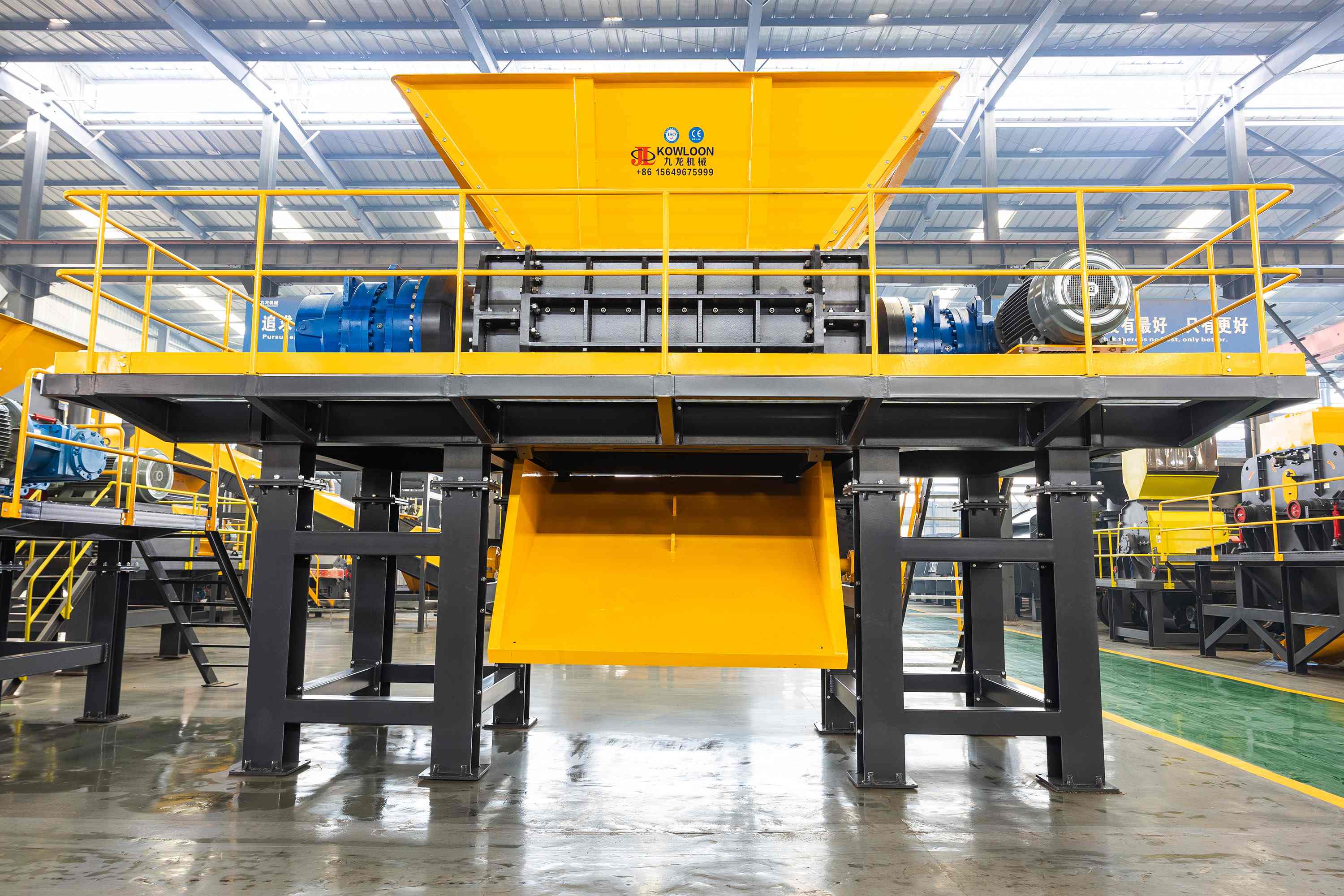

China Waste Shredder Solutions for Smarter Recycling and Waste Reduction
2026-11-16
Recycling in China is no longer just about reducing volume—it’s about recovering value, cutting downtime, and keeping material streams cleaner. Shredders sit at the heart of that shift, but not all equipment is built for the realities of mixed waste, high throughput, or tight space. This blog takes a practical look at China waste shredder solutions for smarter recycling and waste reduction, including how Kowloon Machinery approaches the challenges operators face every day.
Sizing Decisions Based on What Chinese Plants Actually Receive, Not Catalog Ratings
Catalog data sheets look tidy, but they rarely reflect what actually arrives on a pallet in Ningbo or Dongguan. A motor tagged 380V/50Hz may be wound with thinner copper than expected, or a pump may ship with a smaller impeller than the brochure claims. Basing cable sizing, breaker selection, or thermal protection on those published numbers can leave a system running hot from day one.
The more reliable approach is to treat the nameplate and test report as a starting point, then verify actual full-load current, locked-rotor current, insulation temperature, and physical dimensions before locking in the design. In Chinese plants, incoming inspection often reveals that batch-to-batch variability matters more than the nominal rating. Measuring a sample unit under real load conditions, or at least doing a locked-rotor test and measuring winding resistance, gives you data that no catalog can supply.
When the measured values differ from the catalog, let the field numbers drive the decision. Oversizing cables and contactors slightly based on observed current and ambient temperature is cheaper than explaining a production shutdown caused by an overheated terminal strip. It also leaves room for the next procurement cycle, where the "same" model may arrive with a different internal build.
Wet Film, Textiles, and the Limits of Standard Blade Geometry
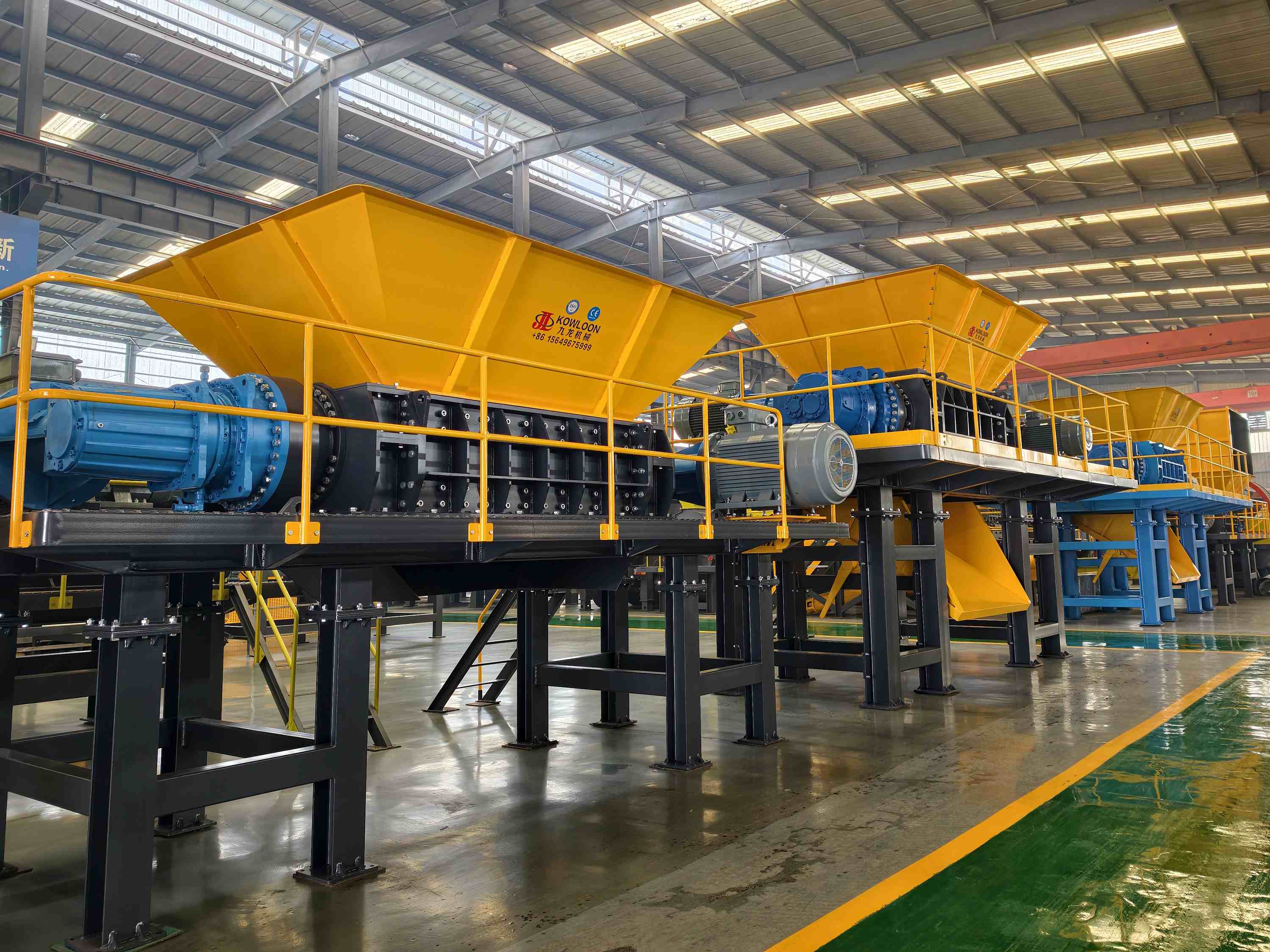
Standard blade geometry assumes a fairly orderly substrate, but woven and knit textiles refuse to cooperate. The intersection of warp and weft creates a repeating topography of high and low points, so the blade edge never encounters a consistent surface. Instead of shaving excess coating cleanly, it catches on yarn crowns and skips over recessed intersections. The result is less a uniform wet film and more a sequence of thick and thin bands that standard gap settings cannot correct.
Wet film behavior adds another variable that geometry alone cannot resolve. A coating that slides smoothly over a sealed film may drag, pool, or migrate once it meets fiber ends and capillary gaps. Textiles pull liquid into their structure, lower the effective film thickness in some areas, and release it back in others as the fabric relaxes. Fixed blade angles and straight edges have no mechanism for responding to this local drainage, so operators often compensate with higher viscosity or slower line speed, which creates its own set of defects.
Some lines narrow the contact zone or switch to rounded, flexible edges, but these adjustments are workarounds rather than true solutions. Once fabric construction enters the equation, the assumption behind standard blade geometry starts to erode: the tool is no longer metering a steady liquid layer on a predictable plane, but interacting with a living, absorbent surface. That boundary is where process judgment has to override the default settings.
Why Pre-Shredding Usually Determines Whether a Sorting Line Meets Its Targets
Pre-shredding sets the ceiling for what any downstream separator can recover. Feedstock that reaches an optical sorter as a tangle of oversized film or uneven chunks never behaves the way equipment suppliers assume it will. Sensors need enough separation and a stable surface to make a clean call, and when the shredder gap opens up or the rotor speed drifts, every later stage has to compensate. That compensation usually shows up as a quiet drop in recovery or purity.
The part that rarely gets enough attention is repeatable particle geometry, not just nominal size. A line can hit its planned tonnes per hour and still miss quality targets if the shredded output swings between fines and bulky overs. Fines coat other materials, overs interrupt air ejection, and the sorting logic starts chasing a moving target. Once operators begin adjusting downstream settings to correct for a wandering feed, the process loses the stability that good separation depends on.
Uptime is tied to this as well. A poorly pre-shredded stream wraps around shafts, jams star screens, and shortens belt life in ways that never appear in a single dramatic failure. The small stops pile up and eat away at the daily throughput that monthly targets assume. Lines that consistently perform tend to treat the shredder as the first sorting decision rather than simple volume reduction.
Abrasive Fractions and the True Cost of Frequent Blade Changes
Blade life is rarely governed by the nominal hardness of a material alone. In many billets, plates, and castings, it is the distribution of abrasive inclusions—silica, carbides, scale, or tramp oxides—that dictates how fast a cutting edge degrades. Two batches of the same alloy can behave very differently on the saw depending on where those abrasive fractions sit and how concentrated they are. A shop that tracks only blade changes per day will notice the symptom, but not the variable that actually drives it.
Frequent blade changes carry costs that never appear on the tooling invoice. Each swap interrupts cutting, requires a setter or operator to stop production, and often leads to a fresh blade being run at conservative parameters until it beds in. In a high-mix cutting environment, that lost cutting time can exceed the price of the blade itself. Then there is the less obvious waste: a worn blade may still cut, but with increased deviation, heavier burrs, and a surface finish that quietly passes the problem downstream to deburring or machining.
The real comparison should not be between blade prices, but between the total cost per square inch of material separated. When abrasive fractions are high, a slightly more expensive blade designed for contaminated stock can outlast several general-purpose blades and reduce the number of changeovers enough to pay for itself several times over. Buying blades as a consumable commodity hides that math. Shops that measure downtime, scrap, and labor around each change usually find that the cheapest blade is not the one with the lowest purchase price.
Lower Rotor Speeds as a Less Obvious Way to Preserve Downstream Value
Slowing a rotor down rarely gets the attention it deserves. The immediate instinct is to chase throughput, yet the hidden cost often shows up further along the line. At lower tip speeds, material breaks more cleanly and generates fewer fines. Those fines can clog screens, overload dust collection, and force downstream equipment to work harder than it should. Removing that burden upstream changes the economics of the whole circuit, not just the machine itself.
There is also a thermal dimension. High rotor speeds create local heating, which can alter moisture content, soften heat-sensitive particles, or leave surface damage that weakens product quality. A moderate speed keeps the material closer to its original condition. Buyers may not notice the difference in a spec sheet, but they will see it in handling, blending, and final performance.
The less obvious payoff is stability. Lower speeds reduce vibration, wear on liners and bearings, and the frequency of unplanned stops. That steadiness lets downstream units run at a predictable rhythm. Operators spend less time chasing small upsets and more time fine-tuning quality, which is where the real downstream value accumulates.
Serviceability Choices That Keep Municipal Sites Running Through Peak Seasons
Municipal maintenance teams often discover that the difference between a smooth summer festival season and a cascade of service calls comes down to a few unglamorous decisions made months earlier. Rather than waiting for demand to spike, forward-looking departments schedule deep inspections of water lines, parking lot surfaces, and public restroom fixtures during shoulder months. This quiet work rarely makes headlines, but it means that when thousands of visitors arrive, the infrastructure isn't just reacting—it's already prepared.
Another practical choice involves rotating staff shifts and cross-training employees so that a broken irrigation valve or an overflowing trash compactor doesn't stall an entire park operation. Some cities keep a small reserve of high-wear parts on hand, not in a central warehouse, but in locked cabinets near the sites that historically fail first. The result is faster fixes that don't require pulling a technician from across town. These arrangements feel almost invisible to the public, yet they prevent the kind of visible breakdowns that erode trust in local government.
Finally, the most resilient sites treat seasonal strain as a design problem, not just an operational one. They might swap fragile landscaping near event entrances for hardier native plants, or upgrade to touchless fixtures that hold up under heavy use. By aligning service schedules with actual usage patterns—and being willing to adjust those patterns after each peak season—municipal teams create a rhythm that keeps facilities open and welcoming, without frantic last-minute scrambles.
FAQ
They are built for a broad mix, from hard plastics and rubber tires to electronic scrap and industrial waste. The rotor and blade configurations can be adjusted so one machine can switch between bulky items and smaller, dense materials without losing throughput.
The main saving comes from durable cutters and modular wear parts that can be rotated or replaced individually instead of swapping the whole assembly. That reduces downtime and keeps energy use predictable, which makes per-ton processing costs more stable.
Look for a direct drive or gearbox design that avoids frequent belt adjustments. A well-matched motor and hydraulic protection system helps prevent jams and recover quickly from overloads, so the line keeps moving instead of forcing manual clearing.
Yes, most installations are planned around current conveyor widths and drop heights. Manufacturers usually provide frame adaptations and discharge options, so the shredder can be placed before or after the sorting stage with relatively minor upstream changes.
It cuts bulky waste into smaller, uniform pieces, which increases bulk density and prepares material for further separation. That means less space is taken up in transport and disposal, and more of the original waste stream can be directed into recovery channels.
Many units are fitted with sealed hoppers, spray or extraction ports, and low-speed high-torque rotors that create less dust than high-speed grinders. Noise is reduced through reinforced housings and shock-absorbing mounts, which matters a lot in urban or semi-enclosed facilities.
Daily checks on blade wear, hydraulic fluid temperature, and screen condition are usually enough. Scheduled blade rotation and lubrication of main bearings prevent most surprise failures, and a monthly inspection of the control sensors keeps the automated safety stops accurate.
Chinese manufacturers often pair heavy-duty construction with faster customization because much of the casting, machining, and assembly takes place in nearby industrial clusters. That can shorten delivery times and make spare parts easier to source, especially for buyers operating in Asia, Africa, or the Middle East.
Conclusion
Shredder selection in China has to begin with what actually lands on the tipping floor, not with the throughput figures shown in a catalog. Mixed loads from municipal collection and small commercial sources routinely carry wet film, tangled textiles, and bulky items that behave nothing like clean test samples. When those materials wrap around standard knife rotors, the machine loses its rhythm, power draw spikes, and downstream sorting accuracy drops. Pre-shredding often becomes the quiet gatekeeper for the whole line. If the first cut does not create a steady, well-liberated particle size, the optical and ballistic separators never get a fair chance to reach their recovery targets. Plants that measure real incoming particle size distribution and moisture content can avoid oversizing a machine that will only jam or undersizing one that will choke during seasonal surges.
Abrasive fractions like grit, glass fines, and metal scraps make blade life the real operating cost rather than the initial purchase price. Frequent knife changes are not simply a spare parts expense. They pull operators away from the floor, stop the line, and push maintenance into weekends. Lowering rotor speed may feel counterintuitive when the goal is higher throughput, but it often preserves downstream value by reducing over-shredding of plastics and paper fibers while also cutting abrasive wear. Practical serviceability matters just as much for municipal sites that have to run through holiday and year-end peaks. Hinged access doors, segmental blades, quick-change screens, and tool-free clearing points allow a small crew to recover from a jam in minutes instead of hours. Together these measures lower cost per tonne, protect material quality, and keep the facility available when collection volumes rise.
Contact Us
Contact Person: Ray
Email: [email protected]
Tel/WhatsApp: +86 13733817580
Website: https://www.zzkowloon.com/