
Ethanolamine: Exploring the Top 10 Industrial Applications and Benefits
2026-03-09
In the world of industrial chemistry, few compounds are as versatile and impactful as ethanolamine. From enhancing manufacturing processes to improving everyday products, its applications are vast and often overlooked. This blog delves into the top 10 industrial uses and benefits of ethanolamine, uncovering how it drives innovation across sectors. At POLYKEM, we’re committed to exploring these frontiers, providing high-quality solutions that power industries forward. Join us as we reveal the hidden potential of this remarkable chemical and how it’s shaping a more efficient future.
Ethanolamine in Agrochemicals: Enhancing Crop Protection and Growth
Ethanolamine plays a crucial role in modern agrochemicals by acting as a versatile intermediate that enhances the formulation of pesticides and fertilizers. Its chemical properties allow for improved solubility and stability of active ingredients, ensuring that they reach crops more effectively. This not only boosts the performance of crop protection products but also contributes to more efficient nutrient delivery systems.
In practice, ethanolamine-based formulations are shown to adhere better to plant surfaces, reducing runoff and increasing the duration of pest control. This leads to a noticeable reduction in the number of applications needed per season, which helps lower environmental impact and farming costs. Farmers often report that crops treated with these formulations exhibit stronger resilience against common diseases and pests.
Moreover, the use of ethanolamine in growth regulators and foliar feeds supports healthier plant development by facilitating better absorption of micronutrients. Research indicates that such applications can result in higher yields and improved crop quality, making it a valuable tool in sustainable agriculture practices aimed at meeting global food demands.
Pharmaceutical Uses: Ethanolamine as a Key Ingredient in Drug Formulations
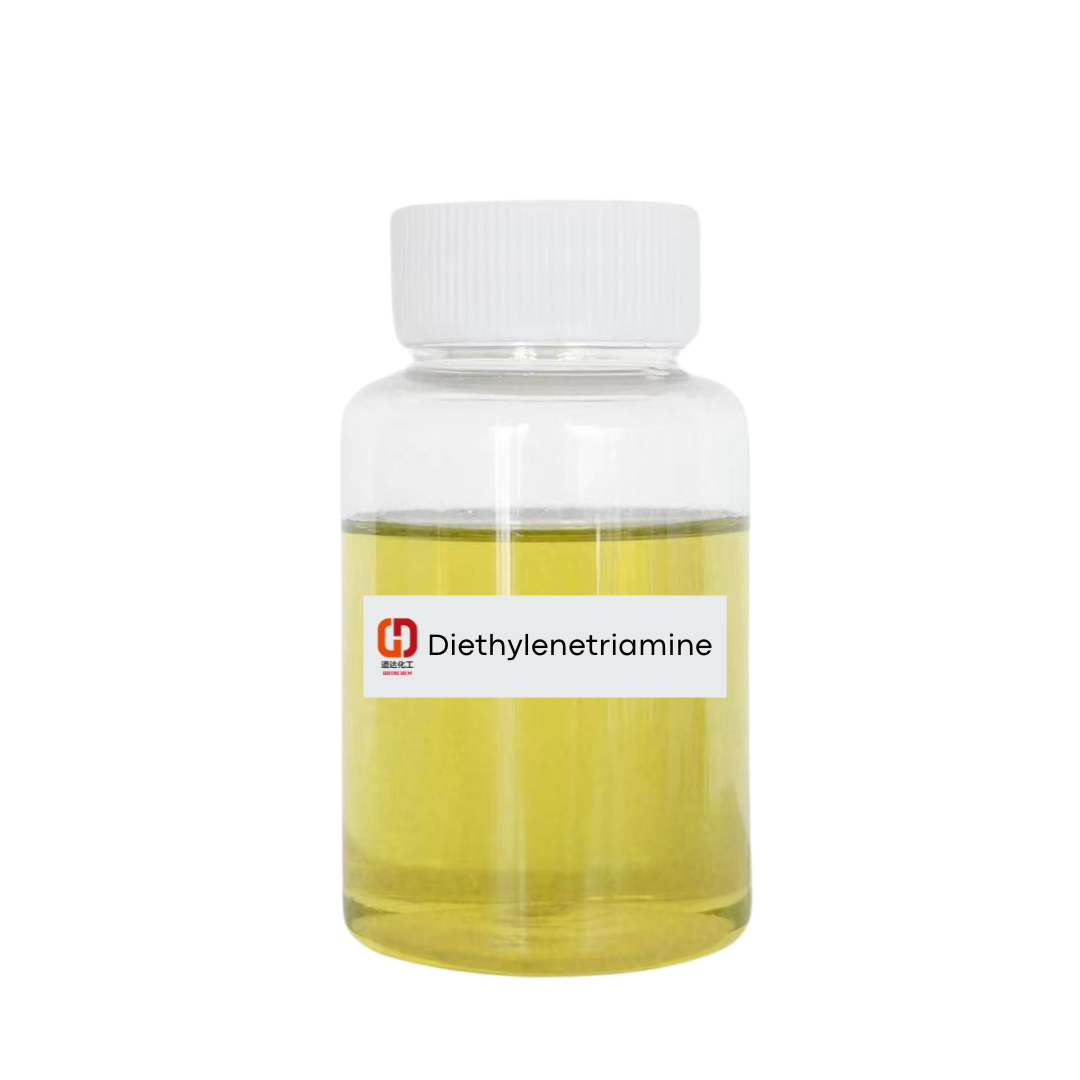
Ethanolamine plays a pivotal role in modern pharmaceutical formulations, serving as a versatile excipient that enhances drug stability and bioavailability. Its unique amphoteric properties allow it to interact with both hydrophilic and hydrophobic compounds, making it an ideal choice for creating stable emulsions and suspensions. This adaptability is particularly valuable in topical and injectable medications, where ethanolamine helps maintain consistent drug delivery, ensuring patients receive the intended therapeutic effects without degradation over time.
Beyond its functional benefits, ethanolamine's safety profile and regulatory approval in many jurisdictions contribute to its widespread adoption in drug development. It often appears in combination with fatty acids to form emulsifying agents that improve the texture and absorption of creams and ointments. For instance, in antifungal or antibiotic formulations, ethanolamine-based systems can enhance skin penetration, allowing active ingredients to target deeper layers more effectively. This capability not only boosts efficacy but also minimizes side effects by optimizing dosage requirements.
In recent years, innovative applications of ethanolamine have emerged, such as in nasal sprays and ophthalmic solutions, where its buffering capacity helps maintain pH levels crucial for patient comfort and drug stability. Researchers are also exploring its role in novel drug delivery systems like liposomes and nanoparticles, leveraging its chemical properties to encapsulate and release therapeutic agents in a controlled manner. These advancements highlight ethanolamine's ongoing relevance in addressing complex pharmaceutical challenges, cementing its status as a key ingredient in both established and cutting-edge therapies.
Surfactant Production: Ethanolamine's Role in Detergents and Cleaners
In the creation of surfactants, ethanolamine stands out as a surprisingly versatile ingredient that shapes how our detergents and cleaners perform. What makes it so valuable is its ability to act as an intermediary, combining with fatty acids to form various ethanolamine-based compounds, such as mono-, di-, and triethanolamine (MEA, DEA, and TEA). These compounds are the workhorses behind many cleaning products, where they help lower surface tension, allowing water to spread more easily and lift away dirt and grease. It's this dual functionality—enhancing solubility while stabilizing formulations—that keeps ethanolamine in high demand across both household and industrial applications.
Beyond its basic chemical role, ethanolamine contributes to the nuanced performance of modern cleaners in ways that might not be obvious at first glance. For instance, it can be tailored to adjust pH levels, making products gentler on sensitive surfaces or more effective against stubborn stains. In laundry detergents, ethanolamine derivatives often serve as emulsifiers, ensuring that oils and soils don't just float away but are thoroughly removed during the wash cycle. This adaptability allows manufacturers to fine-tune their formulas for specific needs, whether it's a high-efficiency dishwasher pod or a heavy-duty degreaser, highlighting ethanolamine's quiet yet critical impact on everyday cleaning efficacy.
Looking ahead, ethanolamine's role is evolving with changing consumer preferences and environmental considerations. As demand grows for eco-friendly and biodegradable products, researchers are exploring how ethanolamine-based surfactants can be optimized to break down more easily without sacrificing cleaning power. Innovations in green chemistry are focusing on reducing potential skin irritation or aquatic toxicity, positioning ethanolamine as a key player in the shift toward safer, sustainable formulations. This ongoing development underscores its enduring relevance, ensuring that ethanolamine remains a cornerstone of surfactant production for years to come.
Personal Care Products: Benefits in Cosmetics and Skincare
Personal care products have become integral to modern skincare routines, offering a wide range of benefits that enhance beauty and health. They provide hydration, protection from environmental stressors, and targeted treatments for various skin concerns, making them essential for maintaining a radiant appearance.
Beyond basic functions, these products often incorporate natural ingredients and advanced technologies to deliver personalized results, such as reducing signs of aging or soothing sensitive skin, which helps users achieve long-term skin wellness and confidence.
By seamlessly blending science with art, personal care innovations continue to evolve, offering unique formulations that cater to diverse needs, ensuring everyone can find products that not only look good but also feel good and perform effectively in daily life.
Natural Gas Treatment: Ethanolamine in Acid Gas Removal
In natural gas treatment, ethanolamine plays a pivotal role in acid gas removal, specifically targeting hydrogen sulfide and carbon dioxide impurities. This chemical, often used in aqueous solutions, reacts reversibly with these acidic components, allowing for efficient scrubbing from gas streams. The process typically involves absorption in a contactor, where the gas and amine solution mix, followed by regeneration in a stripper to release the captured gases and recycle the amine. Ethanolamines like monoethanolamine are favored for their high reactivity and relatively low cost, making them a staple in industrial gas sweetening operations worldwide.
What sets ethanolamine apart in acid gas removal is its adaptability to varying gas compositions and operational conditions. For instance, different ethanolamine types, such as diethanolamine or methyldiethanolamine, can be selected based on factors like gas pressure, temperature, and impurity levels to optimize performance. This flexibility helps plants handle sour gas from diverse sources, from conventional reserves to shale formations, ensuring compliance with environmental regulations on emissions. Moreover, ongoing research into amine blends and process enhancements aims to reduce energy consumption during regeneration, addressing key economic and sustainability challenges in the industry.
Despite its widespread use, ethanolamine-based systems aren't without drawbacks, such as corrosion risks and solvent degradation over time. To mitigate these issues, operators often incorporate corrosion inhibitors and maintain strict control over operating parameters. Innovations in this field continue to evolve, with developments in advanced solvents and hybrid technologies seeking to improve efficiency and reduce environmental impact. As natural gas remains a critical energy source, refining ethanolamine applications remains essential for cleaner, more efficient production—balancing technical effectiveness with practical operational needs.
Textile Industry: Improving Fabric Processing and Dyeing
One of the most exciting advancements in fabric processing involves the integration of smart technologies. Imagine sensors embedded in machinery that monitor thread tension or moisture levels in real-time, allowing for automatic adjustments that prevent defects before they even occur. This shift from reactive to proactive maintenance not only boosts productivity but also slashes waste, making the entire process more sustainable and cost-effective.
Dyeing, traditionally a resource-heavy step, is being transformed by innovations like digital printing and waterless techniques. Digital printers can apply precise patterns with minimal dye runoff, while methods using supercritical carbon dioxide eliminate water altogether, drastically reducing chemical pollution and energy use. These approaches offer vibrant, durable colors with a fraction of the environmental impact, meeting growing consumer demand for eco-friendly fashion.
Beyond tech upgrades, there's a growing focus on circular processes that repurpose materials. For instance, closed-loop systems in dye houses capture and recycle wastewater, while automated sorters help recover fibers from old garments for reuse. By blending cutting-edge tech with a mindset that values every input, the industry is crafting a future where beautiful textiles are made responsibly and efficiently.
FAQ
Ethanolamine is widely used in industries like agriculture, pharmaceuticals, and personal care. It acts as a key ingredient in herbicides, corrosion inhibitors, and surfactants, making it versatile for various processes.
In agriculture, ethanolamine serves as a building block for herbicides and pesticides, helping to control weeds and pests effectively. Its properties enhance product stability and absorption in plants, boosting crop yields.
Ethanolamine is valued in personal care for its role in creating emulsifiers and surfactants. It helps blend oil and water in products like shampoos and lotions, improving texture and cleansing properties.
In gas treatment, ethanolamine is used to remove acidic gases such as carbon dioxide and hydrogen sulfide. Its chemical affinity makes it efficient for purifying natural gas and industrial emissions.
Ethanolamine finds use in pharmaceuticals as an intermediate for synthesizing active ingredients and in drug delivery systems. It aids in formulating stable medications with controlled release properties.
Ethanolamine is favored for corrosion inhibition due to its ability to form protective films on metal surfaces. It neutralizes acids and reduces wear in industrial equipment, extending machinery life.
While ethanolamine is generally safe, its production and disposal require careful management to minimize environmental impact. Industries follow regulations to ensure proper handling and reduce ecological risks.
Conclusion
Ethanolamine demonstrates remarkable versatility across multiple industrial sectors, serving as a critical component in diverse applications from agriculture to energy. In agrochemicals, it enhances crop protection and growth by improving the efficacy of pesticides and fertilizers, while in pharmaceuticals, it acts as a key ingredient in drug formulations, particularly in stabilizing and solubilizing active compounds. The surfactant industry leverages ethanolamine in detergents and cleaners, where it contributes to effective cleaning and emulsification. Additionally, its role in personal care products, such as cosmetics and skincare, highlights benefits like moisturization and pH regulation, making it valuable in formulations for shampoos and lotions.
Beyond these, ethanolamine plays a vital part in natural gas treatment by removing acid gases like hydrogen sulfide and carbon dioxide, ensuring cleaner fuel production and environmental compliance. In the textile industry, it improves fabric processing and dyeing through enhanced fiber treatment and color fixation, boosting efficiency and quality. This broad utility underscores ethanolamine's significance in driving innovation and sustainability across sectors, offering both functional benefits and economic advantages. Its multifaceted applications make it a cornerstone in modern industrial processes, reflecting its adaptability and impact on global production and technology trends.
Contact Us
Contact Person: Levi
Email: [email protected]
Tel/WhatsApp: +86 532 84688720
Website: https://www.polykem-intl.com