

Functional Masterbatch Supplier: Driving Innovation in Material Performance
2026-08-10
The quest for materials that perform beyond expectations is reshaping industries—from packaging to automotive. At the heart of this transformation are functional masterbatches, the unsung heroes that imbue plastics with advanced properties like UV resistance, flame retardancy, or antimicrobial protection. As a pioneering functional masterbatch supplier, Xinwancai is driving this innovation, delivering tailored solutions that turn material challenges into competitive advantages. In this blog, we’ll explore how these high-performance additives are revolutionizing material science and why Xinwancai stands at the forefront of this evolution.
Engineering Masterbatches That Redefine Material Boundaries
Pushing the limits of polymer performance begins at the molecular level. By precisely engineering carrier resins and additive packages, we create masterbatches that dissolve the traditional boundaries between flexibility and strength, transparency and UV resistance, or conductivity and weight. These aren’t off-the-shelf solutions—they’re custom-formulated systems that unlock material behaviors once thought contradictory, giving product designers a far broader canvas to work with.
The real breakthrough lies in how these masterbatches interact with base polymers. Instead of merely tinting or filling, they actively modify rheology, interfacial adhesion, and crystallization kinetics. A single pellet can turn brittle PLA into a tough, heat-stable material suitable for durable goods, or let a standard polyolefin dissipate static charge without sacrificing clarity. It’s this ability to rewrite a material’s intrinsic properties—while maintaining processability on existing equipment—that is quietly transforming supply chains across automotive, electronics, and medical device sectors.
Beyond performance, these engineered masterbatches open up new design freedoms. Multi-functional effects can be embedded into one concentrate, reducing layering steps and part counts. Colors become structural elements, barrier properties are woven into thin walls, and recycled-content streams gain a second life with virgin-like aesthetics. When material boundaries are no longer rigid, the product itself can evolve—thinner, stronger, smarter, and profoundly more sustainable.
Custom Functional Additives: Elevating Everyday Products
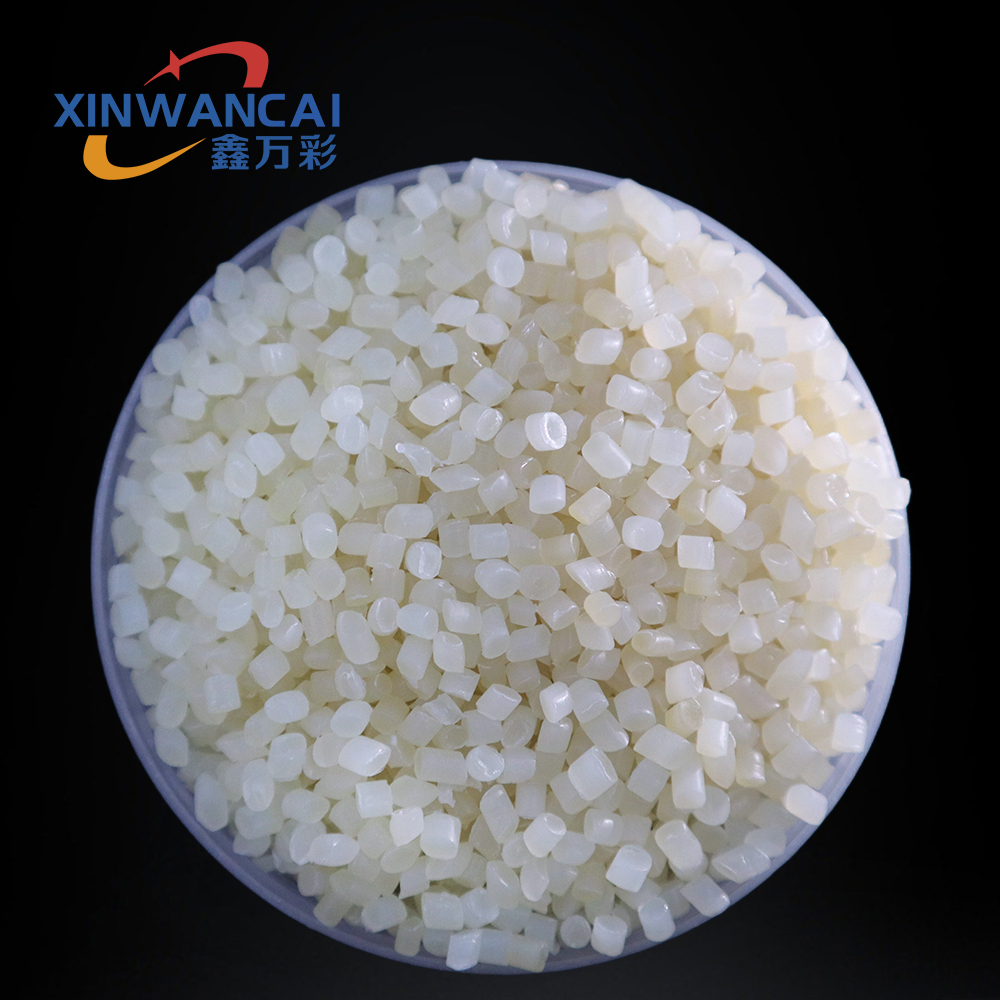
The soft, velvety feel of your favorite moisturizer, the vibrant hue of a car’s dashboard that refuses to fade under relentless sun, or the crisp, unspoiled taste of a snack weeks after opening—these everyday marvels rarely earn a second thought. Yet they share a quiet, behind-the-scenes enabler: custom functional additives. These precisely engineered substances slip into formulations at minute levels, reshaping product behavior at the molecular scale. Whether boosting durability, altering surface texture, or preserving freshness, they form the invisible backbone of modern consumption, transforming ordinary items into reliably high-performing companions.
Consider the battle against wear and tear. In polymer films that wrap our food, a small dose of slip additives reduces surface friction, enabling effortless pull from the roll while preventing micro-tears that would compromise protection. In architectural coatings, light stabilizers absorb UV radiation, saving exterior walls from chalking and color drift for a decade or more. Even the cosmetics aisle leans heavily on them: spherical silica microbeads in a foundation leave a matte, airbrushed finish by controlling light reflection, while encapsulated fragrances in a laundry detergent release scent only when fabrics are agitated, delivering a burst of freshness long after the wash cycle ends. Each additive is chosen not just for its primary function, but for how it harmonizes with the surrounding matrix—a siloxy-modified polyether in a polyurethane foam, for instance, strikes a delicate balance between water repellency and breathability.
The progression toward smarter, greener chemistry is pushing these additives into new territory. Responsive microcapsules now spring into action only when triggered by pH shifts or mechanical stress, minimizing material waste. Meanwhile, renewably sourced waxes and bio-based plasticizers are softening PVC without the phthalate legacy, meeting both performance specs and consumer eco-consciousness. As the line between specialty chemical and everyday enabler continues to blur, the real triumph lies in invisibility: the best additive is one you never notice—it simply makes a product work better, last longer, and feel exactly right, time after time.
The Innovation Engine: How Our Masterbatches Transform Performance
Performance isn’t just a promise—it’s built into every granule. Our masterbatches don’t simply add color; they become the catalyst that reshapes how materials behave under stress, heat, and daily wear. By engineering the carrier resin to match your base polymer, we eliminate the weak points where conventional blends fail, so your final product stays tougher, longer.
Dispersion is where the invisible magic happens. Poorly mixed additives create unpredictable weaknesses, but our advanced compounding ensures pigments and functional agents spread evenly at the molecular level. The result? Consistent mechanical properties from the first inch to the last, whether you’re extruding film at high speed or molding complex geometries. You’ll actually see the difference in reduced scrap rates and fewer line stoppages.
Beyond the physical, it’s about unlocking new possibilities. Need a packaging film that blocks UV without sacrificing clarity? A automotive part that resists warping under engine heat? Our custom formulations bend the rules of what’s possible with standard resins, turning your constraints into precision performance. The moment your material runs through production, the transformation is tangible—and it happens right there, in real time.
Beyond Standard Formulations: Crafting Unique Material Solutions
Standard off-the-shelf materials often fall short when faced with the nuanced demands of real-world applications. A pre-mixed compound might meet basic specs but rarely accounts for the interplay of extreme temperatures, chemical exposure, or mechanical stress that a specific project entails. Recognizing these gaps is the first step toward a solution that actually performs under pressure.
Our process begins by digging into the operational context—whether it’s a sealing system that must withstand aggressive solvents or a structural component exposed to UV and salt spray. We collaborate with engineering teams to map out failure modes and then dig into our portfolio of base polymers, reinforcements, and additives. Rather than tweaking an existing recipe, we often build from the molecule up, balancing trade-offs like flexibility versus tensile strength in ways that a catalog product never could.
The outcome is a material that aligns precisely with the application’s rhythm: longer service intervals, reduced weight, or compatibility with novel manufacturing techniques. By moving beyond the constraints of standardized grades, we deliver not just a compound, but a functional advantage that becomes integral to the product’s success.
From Lab to Line: Accelerating Performance Breakthroughs
Turning a lab-scale discovery into a full production reality is rarely a straight path. The gap between benchtop promise and line-ready performance often swallows months of effort — unless you deliberately compress that timeline. Accelerating breakthroughs isn’t about rushing; it’s about ruthlessly prioritizing the variables that actually move the needle, and refusing to let perfectionism stall progress at pilot scale. When the process is engineered for speed, the friction that normally lives between R&D and manufacturing starts to dissolve.
Real acceleration happens when scientists and process engineers stop lobbing reports over the wall and start sharing a daily rhythm. Co-located troubleshooting, shared data dashboards, and a mutual obsession with what the line can actually deliver — these habits turn sluggish handoffs into near-seamless transitions. Iterations that used to take weeks get squeezed into days, not because anyone works harder, but because the feedback loop finally matches the pace of discovery.
The payoff shows up in unpredicted ways. A coating that barely survived bench testing suddenly thrives at line speed once a dryer profile is nudged. A polymer blend that looked average in the lab outperforms everything else under real-world shear. These aren’t lucky accidents — they’re the direct result of a system built to translate potential into performance without the usual lag. When the distance between lab and line collapses, breakthroughs stop being calendar events and become something closer to a rhythm.
A Partnership Model for Next-Generation Material Development
Developing next-generation materials demands a partnership model that moves beyond traditional transactional relationships. It requires deep, sustained collaboration where academic researchers, industry engineers, and end-users co-design solutions from the earliest stages. This approach ensures that scientific breakthroughs are not just theoretically elegant but also practically viable, aligning material properties with real-world manufacturing constraints and market needs. By embedding industrial perspectives into fundamental research, the partnership model shortens the feedback loop, reduces late-stage failures, and creates materials that are truly fit for purpose.
A cross-sector alliance dissolves the usual barriers between disciplines and organizations. Materials scientists work alongside data analysts to interpret complex simulation outputs, while equipment manufacturers fine-tune processing conditions in real time. Suppliers of raw ingredients become active problem-solvers rather than mere vendors, sharing proprietary knowledge that unlocks performance gains. This integrated network replaces siloed efforts with a dynamic exchange, where insights from one step immediately refine another. The result is a cohesive innovation engine that turns abstract concepts into functional prototypes faster than any single entity could manage alone.
Beyond technical synergies, the model thrives on shared risk and open access to facilities. A pre-competitive space allows partners to pool expensive characterization tools, pilot lines, and computational resources, lowering the cost of exploration for everyone involved. Intellectual property frameworks are designed to encourage contribution rather than hoarding, with clear pathways for commercialization that reward each contributor fairly. This ecosystem not only ignites breakthrough materials but also cultivates a pipeline of talent and ideas, ensuring that the next generation of materials emerges from a foundation of collective intelligence rather than isolated genius.
FAQ
A forward-thinking supplier doesn't just blend additives into resin; they co-engineer solutions that elevate end-product properties like durability, conductivity, or flame retardance. It's about customizing each masterbatch to the specific processing conditions and performance demands of the application, often using advanced dispersion technologies and multi-functional additive packages that work synergistically.
They invest heavily in R&D that's directly linked to market trends—like sustainability or miniaturization—and maintain close technical partnerships with clients. Instead of waiting for requests, they proactively develop platforms that can be tweaked quickly, so the lead time from concept to commercial masterbatch shrinks significantly.
Consider a packaging film that needed to block UV light without sacrificing clarity. A specialized supplier developed a transparent UV-absorbing masterbatch by dispersing nano-scale inorganic absorbers so finely that haze stayed below 2%, while blocking 99% of UVA/UVB rays—something standard off-the-shelf additives couldn't achieve.
The carrier must balance compatibility with the host polymer and the functional additive load. If it's mismatched, you risk dispersion defects, reduced mechanical properties, or even degradation during processing. Expert suppliers often design proprietary carriers that act as compatibilizers, enhancing the additive's efficiency while preserving the matrix integrity.
Beyond offering bio-based or recycled-content carriers, they focus on enabling lightweighting, downgauging, or longer service life. For instance, a masterbatch with advanced nucleation can allow a 15% reduction in packaging thickness without compromising stiffness, directly reducing material use and carbon footprint.
Rather than relying on generic datasheets, they simulate actual use conditions—such as outdoor weathering, chemical exposure, or repetitive mechanical stress—during the development phase. This predictive testing ensures the masterbatch performs reliably in the real world, preventing costly failures and reformulations later.
A well-designed masterbatch can improve processing by reducing torque, enabling faster cycle times, or widening the processing window. For example, an internal lubricant package incorporated into a filled masterbatch can allow injection molders to run at lower temperatures and faster ejection, boosting overall equipment effectiveness.
When the supplier gets involved early in the design stage, they can suggest material alternatives that affect the entire product architecture. A recent collaboration with an automotive OEM replaced a painted metal grille with a self-colored, weatherable polymer using a custom metallic-effect masterbatch, cutting weight by 40% and eliminating paint line emissions.
Conclusion
Functional masterbatch suppliers are redefining material boundaries through engineering that pushes performance beyond conventional limits. By embedding custom functional additives directly into polymer carriers, we enable everyday products to gain extraordinary properties—like UV resistance, antimicrobial protection, or flame retardancy—without compromising processability. Our innovation engine runs on a deep understanding of how additives interact at the molecular level, transforming base resins into high-value solutions that meet specific industry demands. Rather than relying on off-the-shelf formulations, we craft unique material solutions tailored to each application, ensuring that color, function, and durability are perfectly balanced. This approach not only elevates product performance but also streamlines manufacturing, as masterbatches are designed for seamless integration on the production line, accelerating breakthroughs from lab to commercial reality.
What truly sets us apart is a partnership model built on collaborative development. We work side by side with manufacturers to solve complex material challenges, iterating rapidly to optimize formulations for real-world conditions. Whether it’s enhancing packaging sustainability, improving automotive part resilience, or giving consumer goods a tactile edge, our functional masterbatches deliver measurable improvements. By combining technical expertise with a flexible, customer-centric approach, we help brands stay ahead in competitive markets. The result is a continuous stream of innovations that shrink development cycles and turn material science into a strategic advantage. In a world where material performance can make or break a product, our role is to supply the difference—drop by drop, pellet by pellet, redefining what’s possible in plastics and beyond.
Contact Us
Contact Person: JACK
Email: [email protected]
Tel/WhatsApp: 86 18650130917
Website: https://www.xinwancai.com/