

Global Import Export Data Providers: Your Gateway to Trade Intelligence
2026-05-06
In today's hyper-competitive global market, instinct isn't enough—you need data that reveals the moves of buyers, suppliers, and competitors before they happen. That's where global import export data providers step in, transforming raw customs records into actionable trade intelligence. Among them, Tendata stands out by not just showing you what shipped, but why it matters for your next strategic move. If you've ever wondered how top traders consistently find the right partners and anticipate demand shifts, the answer lies in unlocking the stories hidden in shipping manifests. This post peels back the curtain on how the right data provider becomes your silent partner in global growth.
The Map to Hidden Trade Opportunities
Uncovering hidden trade opportunities demands a shift from reactive sourcing to proactive pattern recognition. Instead of waiting for supplier quotes or buyer inquiries to land in your inbox, you need to map the invisible connections that link shifting regulations, underutilized logistics corridors, and emerging consumer behaviors. This map isn’t drawn from mainstream market reports; it’s pieced together by monitoring subtle signals—like a spike in warehousing demand in a secondary port city or a sudden standardization of packaging requirements across a regional bloc. These fragments, when assembled, reveal channels where margins are wide simply because few have noticed them yet.
The real art lies in treating trade data not as a rearview mirror but as a trail of breadcrumbs. For instance, a decline in certain raw material imports might signal local production scaling up, opening paths for machinery exports or technical consultancy. Meanwhile, tracking the mismatch between container availability and local manufacturing output can highlight where logistical bottlenecks are about to loosen—creating a short window for first movers. These insights rarely come from dashboards; they require reading between the lines of customs filings, shipping schedules, and even changes in foreign investment approvals. The map is dynamic, redrawn weekly by market realities rather than quarterly by analysts.
To navigate this terrain, successful traders build their own intelligence networks, often blending on-the-ground whispers with high-altitude data. A conversation with a port supervisor about crane idle rates, combined with satellite imagery of factory parking lots, can pinpoint where production is quietly ramping up. These connections are inherently fragile—they depend on relationships, timing, and the willingness to act before the trend becomes obvious. The map, then, is less a document and more a mindset: a continuous hunt for the gaps between what the market shows and what it quietly needs.
Decoding Global Supply and Demand Shifts
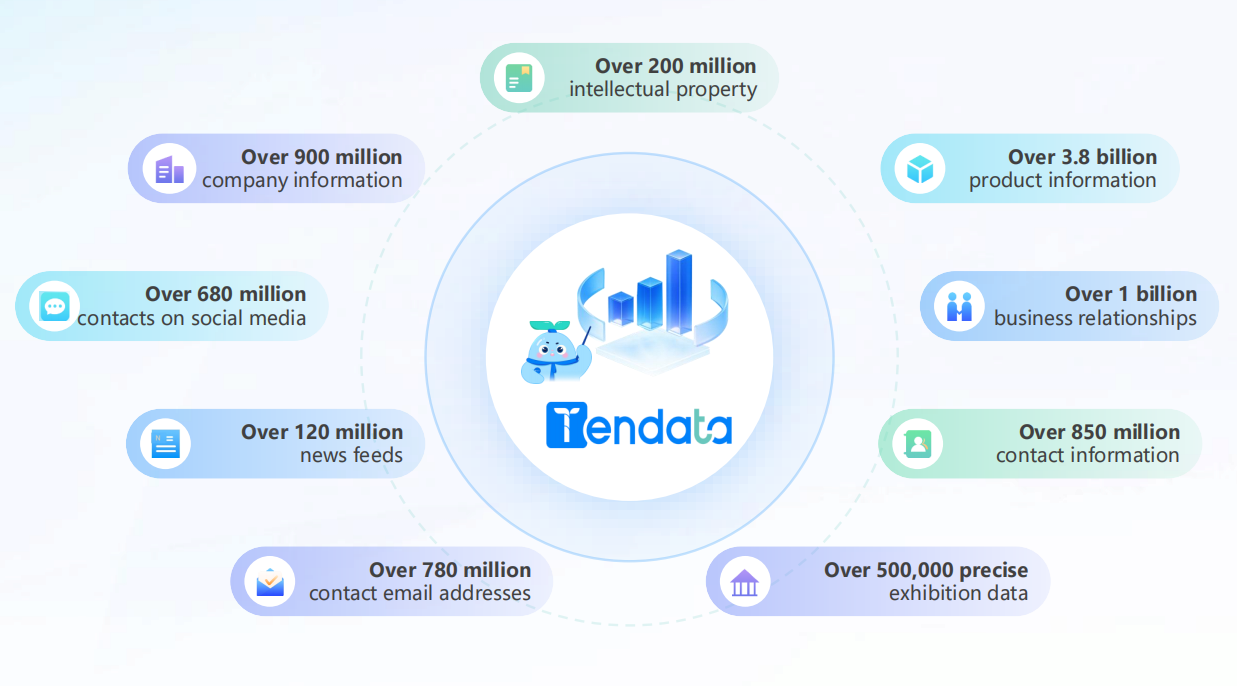
The last few years have ripped up the old rulebook on supply and demand. Companies that once optimized for just-in-time efficiency are now frantically building buffers, nearshoring production, and tearing apart their supplier networks to find hidden chokepoints. A single disruption—whether a factory lockdown in Shenzhen or a container ship lodged in the Suez Canal—can cascade across continents in days, exposing how deeply intertwined and fragile global value chains have become. This isn’t just about scrambling for spare parts; it’s about a fundamental recalibration of risk. Executives are moving from spreadsheet models to scenario planning that accounts for climate volatility, cyberattacks, and geopolitical tremors, realizing that resilience often trumps pure cost savings.
On the demand side, the signals are just as muddled. Consumer appetites have swung wildly, pushed by inflation fears, shifting remote-work lifestyles, and a growing thirst for sustainability that doesn’t always match shopping cart behavior. Retailers that stocked up on home exercise gear are now watching those inventories gather dust, while travel and hospitality scramble to staff up. What’s fascinating is the emerging polarization: luxury goods keep flying off shelves even as middle-income households trade down on staples. Underneath it all, digital channels are rewriting demand forecasting, injecting real-time purchase data into supply planning but also amplifying herd behavior that creates bullwhip effects. The balance of power between what people want and what economies can deliver hasn’t been this volatile in decades.
From Data Overload to Actionable Clarity
In a world where every click, transaction, and interaction generates data, the real challenge isn’t gathering information—it’s making sense of it. Teams often find themselves buried under spreadsheets that no single person can parse, dashboards that flash numbers without context, and reports that raise more questions than they answer. The shift from this noise to something useful starts with recognizing that not all data deserves equal attention. It’s about cutting through the static to find patterns that actually inform decisions, not just fill up a presentation.
The key is to stop treating data as an end in itself and start using it as a compass. Instead of drowning in metrics, successful teams identify the few indicators that tie directly to their goals—whether that’s customer retention, operational bottlenecks, or emerging market gaps. They pair automation with human judgment, letting tools handle the repetitive sorting while people focus on asking smarter questions. This approach turns abstract figures into a clear narrative, one where each insight points to a concrete next step.
When clarity replaces confusion, decisions happen faster and with greater confidence. A well-designed system surfaces what’s relevant, when it’s relevant, without forcing anyone to become a data scientist. It might be a custom alert that flags an unusual inventory pattern before it becomes a shortage, or a simple weekly snapshot that helps a team pivot before a trend goes cold. Ultimately, the goal isn’t more data—it’s the ability to act on it decisively, with everyone on the same page.
Connecting the Dots in International Commerce
Global trade often appears as scattered fragments—a shipment delay here, a currency fluctuation there. Yet those who thrive in international commerce see beyond isolated events. They recognize the hidden threads linking regulatory shifts in one region to supply chain disruptions in another, transforming chaos into a coherent strategy.
Building these connections demands more than data; it requires a feel for the interplay between cultural nuances, logistical realities, and market sentiment. A sudden tariff adjustment isn’t just a policy note—it’s a signal that reshapes sourcing decisions, inventory buffers, and partnership dynamics. The art lies in anticipating how each move echoes across continents.
Small misalignments compound quickly when overlooked. Payment terms that seem trivial can unravel trust, just as a single overlooked compliance detail might strand goods at a border. True mastery means weaving these threads proactively, turning potential snags into seamless flows that silent competitors rarely notice until it’s too late.
Where Every Cargo Tells a Story
It’s easy to see a shipping container as just a metal box, a practical vessel for moving goods from one place to another. But if you look a little closer, you’ll find that each one carries more than products—it carries a narrative. A crate of wine from a family vineyard in Tuscany isn’t just bottles; it’s decades of tradition, soil, and sun, now traveling to a dinner table halfway across the world. A shipment of handwoven textiles from a small collective in Guatemala holds the rhythm of the looms and the quiet pride of the artisans who made them. Every item in transit is a thread in a larger tapestry, linking lives and landscapes that might otherwise never intersect.
At the heart of this journey lies a simple truth: logistics is not merely about moving cargo—it’s about safeguarding these stories until they reach their destination. A delay or a mishandled package doesn’t just disrupt schedules; it can silence a tale waiting to be told. That’s why we treat every shipment as if it were our own memory in transit, ensuring that the little coffee shop in Melbourne gets its Ethiopian beans as fresh as the day they were picked, or that the aspiring baker receives her grandmother’s heirloom recipe book intact. Because when we move something with care, we aren’t just delivering things—we’re delivering the essence of someone’s labor, love, and tradition. And in that, there’s always a story worth telling.
Smarter Trading Starts with the Right Numbers
Most traders overlook the obvious: data integrity. You can have the best strategy in the world, but if your numbers are off by even a fraction, the outcomes spiral. I've seen too many portfolios bleed simply because someone trusted a glitched price feed or a stale earnings report. Smarter trading isn't about fancy algorithms—it's about verifying the bedrock information first.
Numbers don't lie, but they need context. A P/E ratio looks tempting until you dig into the company's debt structure. Volume spikes mean nothing without understanding the order flow behind them. The traders who consistently outperform aren't necessarily the brightest; they're the ones who ask, "Where does this data come from, and what's missing?" before acting.
Precision compounds. When you base decisions on clean, real-time inputs, you stop second-guessing yourself. The emotional fog lifts because the rationale sits right in front of you. That edge isn't just mathematical—it's psychological. Getting the numbers right frees up mental bandwidth for what actually moves markets: timing and trend interpretation.
FAQ
They are specialized services that collect, process, and analyze customs and shipping records from countries worldwide. This data reveals what products are being traded, in what quantities, between which parties, and at what prices.
By uncovering buyer-seller relationships, market demand shifts, and pricing trends, businesses can spot untapped opportunities, negotiate better deals, and stay ahead of competitors who rely on guesswork.
Not if you choose wisely. Top providers cover 80+ countries, giving you a truly global perspective. However, depth can vary—some countries disclose everything including transactional details, while others filter at a higher level.
Everyone from importers identifying new suppliers, exporters scouting buyers, logistics firms benchmarking routes, to financial analysts assessing trade flows and market researchers building industry reports.
Reputable providers source only legally available data—meaning records submitted to customs authorities. They anonymize personal information where required, so you stay compliant while still extracting valuable insights.
It’s near-real-time for many major ports, with some providers offering updates within days of shipment clearances. Others may have a slight lag, but it’s usually enough to act on current trends.
The landscape has changed—many providers now offer flexible subscriptions or pay-as-you-go access. Even a few hundred dollars a month can open doors that were once exclusive to multinationals.
Conclusion
In the labyrinth of global trade, import export data providers serve as the cartographers, sketching the map to hidden opportunities that would otherwise remain obscured. They dismantle the complexity of shifting supply and demand patterns, turning torrents of raw statistics into lucid, actionable insights. Instead of drowning in data overload, businesses gain clarity—identifying where demand is surging, which markets are cooling, and how to pivot before the tide turns. These platforms are not just aggregators; they are translators of global commerce’s silent signals.
But data alone isn’t wisdom—it’s the connections you draw from it. Every shipment, every cargo, tells a story of producers, buyers, trade routes, and unexpected correlations. By connecting these dots, companies uncover supplier vulnerabilities, competitor moves, and partnership openings that spreadsheets never reveal. Smarter trading isn’t guesswork; it’s built on the right numbers, mined from comprehensive trade intelligence. In an era where a delayed container can unravel supply chains, these providers are the gateway to not just information, but strategic foresight.
Contact Us
Contact Person: Grace
Email: [email protected]
Tel/WhatsApp: +86 18721992033
Website: https://www.tendata.com