

Grain Oriented Electrical Steel: Key Insights for Modern Manufacturing Success
2026-01-31
In today's fast-evolving manufacturing landscape, grain oriented electrical steel stands as a critical material for enhancing energy efficiency and performance in electrical applications. As industries push the boundaries of technology, understanding its nuances becomes essential for success. This blog delves into key insights that can shape modern production strategies, helping engineers and decision-makers optimize their processes. At the forefront of innovation, companies like Jiangsu Baowu New Materials are leading the charge with cutting-edge solutions. Join us as we explore how this specialized steel is transforming manufacturing, and discover the trends and techniques that could set your operations apart.
Essential Properties of Grain Oriented Electrical Steel
Grain oriented electrical steel, often abbreviated as GOES, stands out in the electrical industry due to its unique structure, which is meticulously aligned during manufacturing to enhance magnetic properties. This alignment reduces core losses significantly, making it a top choice for high-efficiency transformers and other power equipment. Unlike other steels, its grains are oriented in a specific direction, optimizing performance for applications where energy conservation is critical.
One of the key characteristics of this material is its high magnetic permeability in the rolling direction, which allows for efficient magnetization and demagnetization cycles. This property minimizes hysteresis losses, contributing to overall energy savings. Additionally, the steel's low coercivity means it requires less energy to magnetize, enhancing its suitability for devices that operate under fluctuating loads. These traits collectively boost the efficiency and longevity of electrical systems.
Another notable feature is its excellent saturation flux density, which enables the steel to handle high magnetic fields without significant degradation. This makes it ideal for large transformers used in power grids, where reliability and performance under stress are paramount. The combination of these properties ensures that grain oriented electrical steel remains a cornerstone in modern electrical engineering, driving advancements in energy-efficient technology.
Manufacturing Techniques for Enhanced Steel Performance
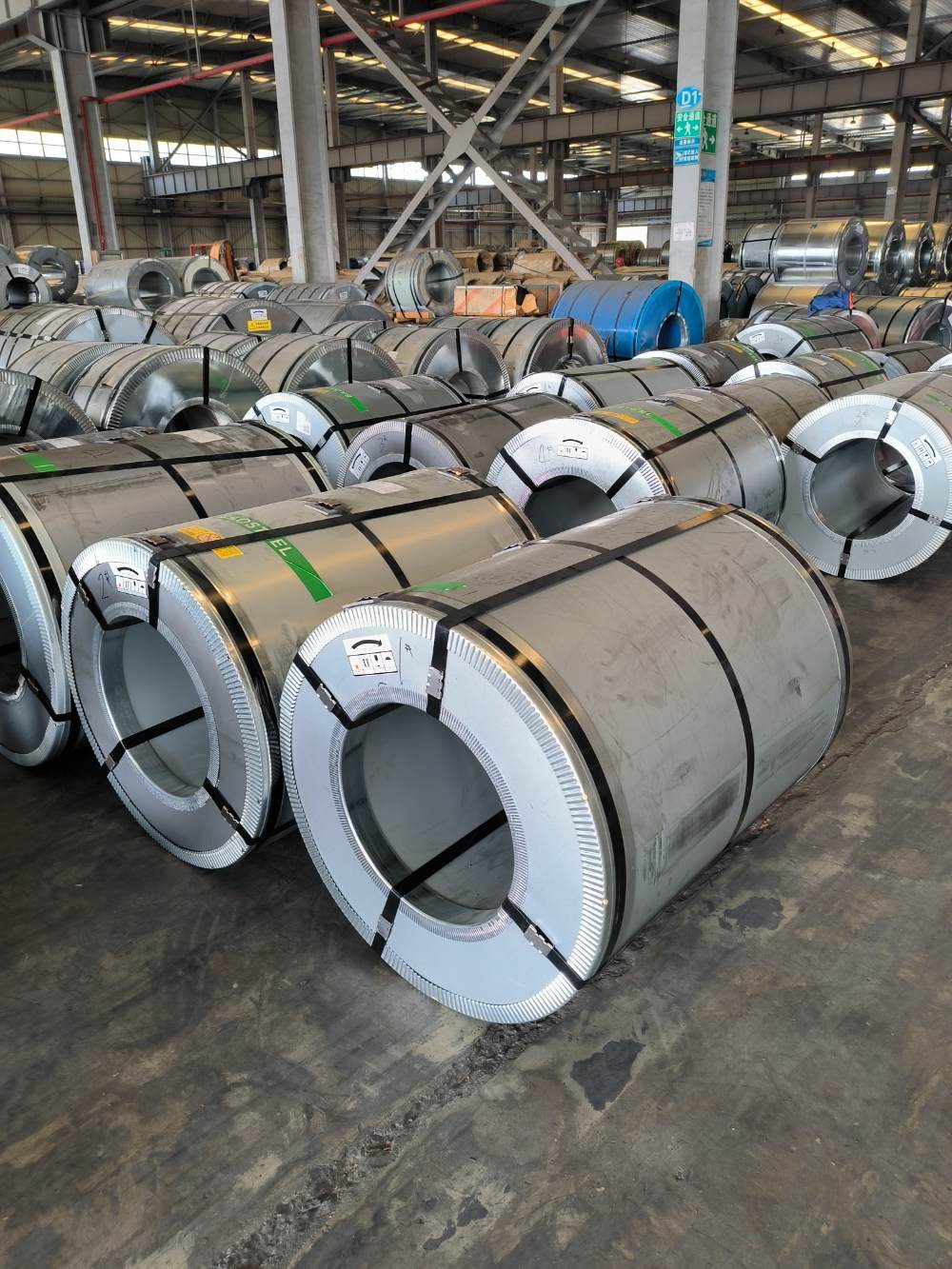
In the quest for superior steel performance, advanced manufacturing techniques have reshaped industries, pushing boundaries in durability and efficiency. By integrating methods like controlled rolling and quenching, manufacturers tailor microstructures at a granular level, enhancing tensile strength and corrosion resistance. This precision not only meets stringent safety standards but also extends product lifespans in demanding environments, from automotive chassis to skyscrapers.
Innovations such as additive manufacturing go beyond traditional casting, allowing complex geometries with minimal material waste. This approach boosts performance by enabling lightweight, high-strength components that outperform conventional designs. Coupled with real-time monitoring systems, it ensures consistency in properties like ductility, making steel more adaptable to diverse applications without sacrificing reliability.
Applications in Energy-Efficient Electrical Devices
Innovations in energy-efficient electrical devices are reshaping our approach to power consumption, from smart thermostats that learn user habits to LED lighting systems that slash electricity use by up to 80%. These advancements not only cut utility bills but also reduce environmental impact, making them a go-to choice for eco-conscious consumers and businesses alike. For instance, modern refrigerators now incorporate variable-speed compressors that adjust cooling based on load, while industrial motors use sensor-driven controls to minimize idle energy waste, showcasing practical applications that blend sustainability with performance.
Beyond household gadgets, energy efficiency is driving breakthroughs in sectors like transportation and renewable energy integration. Electric vehicles leverage advanced battery management systems to extend range and decrease charging times, while smart grids employ devices like demand-response controllers to balance supply and demand seamlessly. In off-grid areas, portable solar chargers and efficient inverters provide reliable power without heavy reliance on fossil fuels, highlighting how these devices empower communities while conserving resources. This shift isn't just about saving watts—it's about building resilient infrastructures that thrive on minimal input.
Looking ahead, the synergy between IoT and energy-efficient devices opens up new frontiers, such as adaptive systems that optimize electricity use in real-time based on weather patterns or occupancy data. For example, smart plugs can now detect phantom loads and automatically cut power to idle electronics, while industrial sensors fine-tune machinery operations to peak efficiency. By focusing on user-centric design and scalable technologies, these applications are setting a benchmark for innovation that prioritizes both economic and ecological benefits, proving that efficiency and convenience can go hand-in-hand in our tech-driven world.
Cost-Benefit Analysis and Economic Impact
Cost-benefit analysis (CBA) serves as a cornerstone for decision-making in both public and private sectors, enabling stakeholders to weigh the pros and cons of potential investments or policies by comparing costs against benefits in monetary terms. This quantitative approach not only helps identify the most economically viable options but also reveals hidden financial risks or opportunities that might otherwise go unnoticed. By incorporating factors such as upfront expenses, long-term maintenance, and indirect societal impacts, CBA provides a comprehensive picture of how resources should be allocated to maximize value and efficiency.
Beyond mere number-crunching, the economic impact of a project extends into broader realms like job creation, environmental sustainability, and regional development. For instance, a new infrastructure initiative might initially seem costly, but its ripple effects—such as boosting local businesses, improving public health, or attracting tourism—can substantially outweigh initial expenditures over time. This holistic view encourages a shift from short-term financial metrics to long-term strategic thinking, ensuring that investments contribute to resilient and thriving communities rather than just immediate profits.
In a rapidly changing global economy, integrating advanced tools like predictive analytics and scenario modeling into cost-benefit analyses can further enhance their precision and relevance. By simulating various economic conditions and demographic trends, organizations can better anticipate fluctuations in markets or resources, leading to more adaptive and future-proof strategies. This dynamic approach not only reduces uncertainty but also fosters innovation, as it allows for more informed experiments and investments that drive sustainable growth and competitive advantage.
Innovations in Steel Processing and Quality Control
Recent advancements in steel processing have introduced advanced technologies that improve efficiency and consistency. High-frequency induction heating systems, for example, allow precise temperature control during processing, reducing energy consumption and minimizing waste. These systems enable steel manufacturers to produce alloys with more uniform properties, ensuring higher performance in applications ranging from automotive parts to construction materials. By integrating real-time monitoring tools, factories can detect anomalies early in the production cycle, preventing defects and enhancing overall output quality. This focus on precision not only boosts productivity but also aligns with sustainability goals by lowering environmental impacts through optimized resource use.
In quality control, innovations such as non-destructive testing methods, including ultrasonic and eddy current techniques, have become game-changers. These methods enable detailed inspections without damaging the steel, allowing for more frequent and thorough checks throughout processing. For instance, automated scanning systems can identify microscopic flaws or structural irregularities that traditional manual inspections might miss. This leads to higher reliability in finished products, as issues are caught and addressed before the steel reaches customers. The integration of these technologies into existing workflows has streamlined operations, cutting down inspection times while improving accuracy and safety standards in the industry.
Looking ahead, the convergence of digital tools and traditional steelmaking is set to revolutionize quality control further. Emerging trends like artificial intelligence and machine learning algorithms analyze vast datasets from sensors and cameras to predict potential quality issues before they occur. This proactive approach helps in fine-tuning production parameters in real-time, ensuring that each batch of steel meets exact specifications. Additionally, blockchain technology is being explored for traceability, providing transparent records from raw material sourcing to final delivery. Such innovations not only enhance quality assurance but also build trust with clients by offering verifiable proof of compliance with industry standards, positioning companies for greater competitiveness in global markets.
Future Trends in the Electrical Steel Industry
Looking ahead, the electrical steel sector is poised for significant evolution, driven largely by global pushes toward energy efficiency and electrification. Innovations are focusing on developing thinner, higher-grade steels that reduce core losses in transformers and motors, crucial for everything from electric vehicles to renewable energy systems. Expect to see more tailor-made alloys that cater to specific applications, enhancing performance while cutting down on waste.
Another key trend is the integration of advanced manufacturing techniques, like additive manufacturing and AI-driven quality control, which promise to streamline production and boost precision. Companies are investing in these technologies not just to meet stricter environmental regulations but also to stay competitive in a market that's increasingly demanding faster turnaround times and bespoke solutions. These shifts are likely to reshape supply chains, encouraging more localized production to reduce carbon footprints.
Moreover, sustainability is becoming a core driver, with efforts to recycle scrap steel and develop more eco-friendly production processes gaining momentum. This isn't just about compliance; it's about tapping into new markets as consumers and industries prioritize green credentials. As these trends converge, the industry is set to offer smarter, more adaptable materials that support a cleaner, more electrified future.
FAQ
Grain-oriented electrical steel offers superior magnetic properties, such as low core loss and high permeability, which significantly enhance energy efficiency in electrical transformers and motors, making it a cornerstone for sustainable and cost-effective manufacturing.
The controlled grain orientation aligns the steel's crystalline structure, reducing magnetic hysteresis and eddy current losses. This results in smoother flux flow and higher efficiency, crucial for high-performance devices like power transformers.
Key challenges include achieving precise grain alignment during rolling and annealing, minimizing impurities like sulfur and carbon, and ensuring consistent thickness and coating quality, all of which require advanced metallurgical processes and tight quality control.
Innovations include the development of thinner gauges for reduced losses, improved coatings for better insulation and corrosion resistance, and AI-driven process optimization to enhance production consistency and reduce waste in manufacturing.
By lowering energy losses in electrical equipment, it helps reduce overall power consumption and carbon emissions. Its durability and recyclability also support circular economy principles, making it a green material choice for eco-friendly industries.
Consider core loss ratings, permeability levels, coating types, and thickness tolerances based on the target device's operating frequency and efficiency requirements. Customizing these parameters can optimize performance while controlling costs.
Conclusion
Grain oriented electrical steel stands as a cornerstone in modern manufacturing, driven by its essential properties that enable superior magnetic performance, including low core loss and high permeability. These characteristics are critical for energy-efficient electrical devices, where the steel's ability to minimize energy dissipation translates directly into operational savings and enhanced sustainability. Manufacturing techniques, such as controlled rolling and annealing processes, are meticulously optimized to achieve the desired grain orientation, which significantly enhances the steel's magnetic properties. This focus on precision in production not only boosts performance but also aligns with the growing demand for high-efficiency components in industries ranging from power transformers to electric vehicles. By integrating these insights, manufacturers can leverage grain oriented electrical steel to meet stringent efficiency standards while fostering innovation in electrical engineering.
The economic impact of grain oriented electrical steel is profound, as a thorough cost-benefit analysis reveals its long-term advantages despite higher initial costs. Innovations in steel processing, such as advanced coating technologies and real-time quality control systems, have further improved durability and consistency, reducing waste and maintenance expenses. Looking ahead, future trends in the electrical steel industry point towards continuous refinement in material science and automation, aiming to reduce production costs while enhancing environmental benefits. These developments underscore the strategic importance of grain oriented electrical steel in driving modern manufacturing success, as it empowers industries to balance performance, cost-effectiveness, and sustainability, ultimately shaping a more energy-efficient global infrastructure.
Contact Us
Contact Person: Zoe Liang
Email: [email protected]
Tel/WhatsApp: 86 189 2128 6299
Website: https://www.baowuchina.com