

GS-441524 Tablets Suppliers: How to Find Reliable Sources for FIP Treatment
2026-10-25
Finding trustworthy suppliers for GS-441524 tablets can feel like navigating a minefield when your cat's FIP treatment is on the line. With countless vendors claiming purity and reliability, how do you separate legitimate sources from risky imitations? This guide cuts through the noise—and if you're looking for a vetted option, Lucpets has built a reputation for quality and transparency. Let's explore what actually matters before you buy.
Why GS-441524 Tablets Aren't All the Same
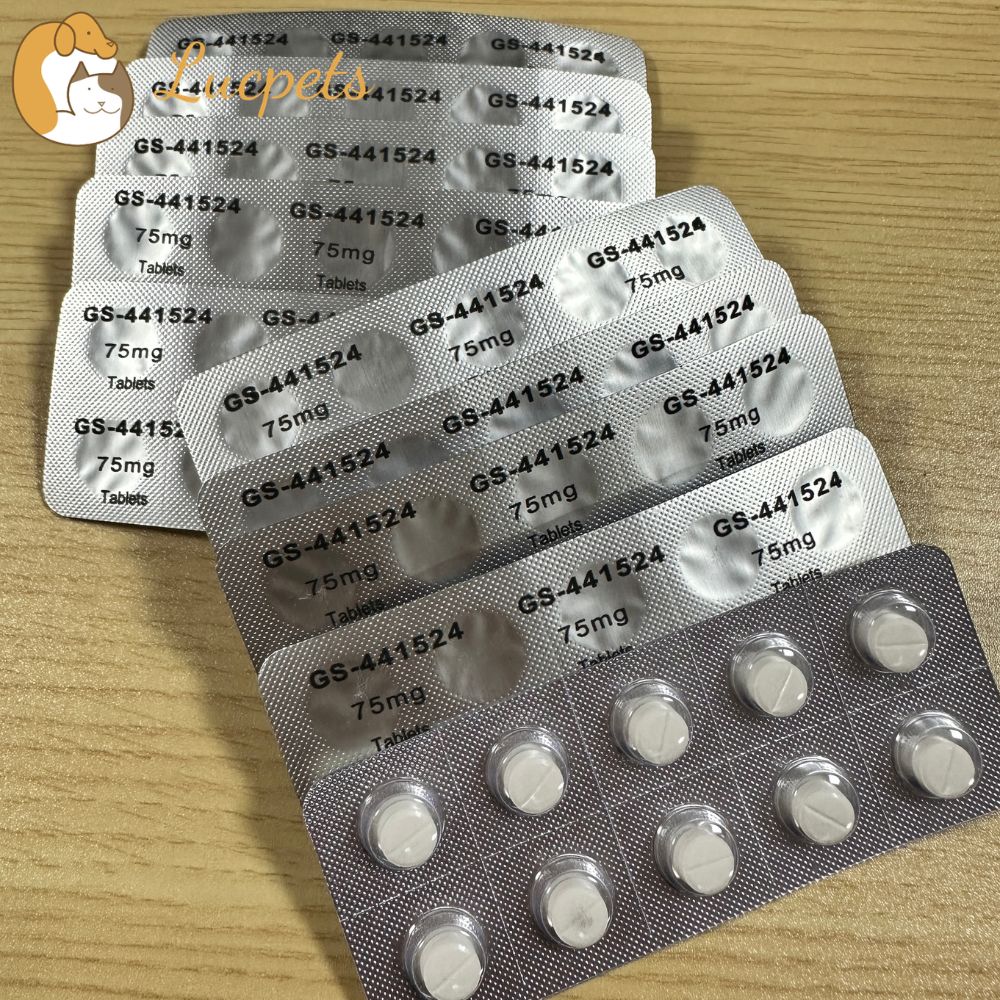
A GS-441524 tablet might look like a simple white pill, but the concentration of the active ingredient can differ dramatically from one supplier to another. Some manufacturers cut corners by using poorly purified raw material, leaving behind unwanted byproducts that can strain a cat’s kidneys or liver. Others go the extra mile with multiple recrystallization steps, resulting in a cleaner compound that translates to fewer side effects and more reliable viral suppression. When you’re treating FIP, a disease that leaves little room for error, that purity gap doesn’t just affect lab results—it can mean the difference between a cat bouncing back or continuing to decline.
The way a tablet is put together matters just as much as what’s inside it. Two pills can claim the same milligram dosage, yet one may crumble in the bottle while the other holds its shape. Excipients, compression force, and coating all influence how quickly the drug dissolves in the stomach and how much actually reaches the bloodstream. Some generic tablets use cheap fillers that bind the GS-441524 too tightly, lowering absorption and forcing you to give higher doses to compensate. Others are formulated for delayed release, which sounds good in theory but can backfire if a cat vomits the dose back up hours later. Without comparative bioavailability data—rarely available for compounded pet meds—owners are left guessing whether a cheaper tablet is truly saving money or just under-dosing their cat.
Storage stability is another silent variable. GS-441524 is sensitive to moisture and heat, and not every manufacturer invests in blister packaging or desiccant-lined bottles. A tablet that tests fine on day one might degrade by 20 percent after a month on a bathroom shelf, especially in humid climates. Reputable suppliers run long-term stability studies and print expiry dates based on real data; others slap on a generic “use within one year” label without ever testing a single batch. Combined with batch-to-batch variability from small-scale compounding labs, this means the same cat could respond beautifully to one order and relapse on the next—not because the disease changed, but because the pills did.
What a Supplier's Paper Trail Actually Tells You
A supplier's paperwork often gets treated as an administrative afterthought, but the details in packing slips, invoices, and inspection records usually expose how much control they actually have over their own process. A vendor who can produce clean, sequential bill-of-lading numbers and matching customs declarations on the first request is not just organized; that consistency points to daily discipline rather than last-minute cleanup. Discrepancies like altered dates, re-issued invoices, or vague line items aren't always fraud, but they do tell you the supplier tolerates loose record handling, which tends to show up later in shipment errors.
Beyond basic accuracy, the trail reveals how a supplier handles pressure. Do they attach revised spec sheets and note the reason for each change, or does every document simply overwrite the previous one? Suppliers with a clear audit path tend to flag nonconforming materials before they ship, while those with messy paper trails often rely on the buyer to catch problems at arrival. The way a certificate of analysis is filled out—handwritten sample codes, missing batch numbers, inconsistent units—offers a preview of the factory floor itself.
Financial and compliance documents add another layer. A supplier that can share updated insurance certificates, tax registrations, and raw material purchase receipts without delay usually has nothing to hide from a routine review. When those papers show gaps, expired coverage, or mismatched company names across contracts, it often means the back office is stretched thin or deliberately compartmentalized. Those are the suppliers that quietly substitute materials or delay production because no one internally tracks what was promised.
Questions That Separate Serious Suppliers from Middlemen
Ask where the goods are physically stored and who handles returns before any order is placed. A serious supplier can name the warehouse, walk you through the picking process, and explain how damaged inventory is handled. Middlemen often hesitate, give vague answers, or put you on hold to check with someone else. That pause tells you more than their brochure ever will.
Dig into lead times at the SKU level. Real suppliers know which items are slow movers, which ones require custom tooling, and what happens when a shipment gets stuck in customs. If every answer sounds like a sales pitch, you are probably dealing with someone who has never touched the product.
Finally, ask for a certificate of origin and the name of the factory floor manager. A genuine supplier can provide both without blinking. A middleman will pivot to volume discounts or try to impress you with a client list. The goal is not to be rude; it is to find the person who actually solves problems when things break.
The Hidden Risks of Buying Based on Price Alone
Chasing the lowest sticker price often means inheriting someone else's cost-cutting decisions. An appliance that seems like a steal might have thinner wiring, cheaper seals, or a motor that's already straining under normal use. You won't see these compromises on the shelf, but you'll feel them six months later when the repair bill arrives.
Then there's the quiet math of replacements. A $40 pair of work boots that falls apart twice a year ends up costing more than the $120 pair that lasts through three seasons. The same logic applies to tools, electronics, and even services: when providers compete only on price, they trim the very things that keep you from paying again soon.
Warranty and support are usually the first casualties. Low-margin sellers can't afford real customer service, so you end up arguing with chatbots or paying shipping to return a product that should never have failed. Price might get you in the door, but it rarely covers what happens after the purchase.
How to Check Tablet Purity Without a Lab of Your Own
Start by looking closer than you normally would. Put several tablets from the same batch side by side on a plain white surface under good light. Check the imprint, score lines, edges, and coating. A legitimate tablet usually has crisp, even edges and consistent color. If you notice smudged markings, ragged edges, or thickness that varies from pill to pill, that's worth flagging. Your phone's zoom lens can help spot pinholes, cracks, or tiny specks of different color that your eye might miss on a quick glance.
Then move to simple tests that don't need any special gear. Drop one tablet into a clear glass of lukewarm water and watch what happens. Most standard tablets start breaking apart within a few minutes, though some extended-release formulations are designed to resist this, so know what you're dealing with. If the pill just sits there unchanged for a long time, leaves an oily film on the surface, or gives off a strong chemical smell, treat that as a warning. You can also crush a small piece between two clean spoons and check the powder: it should look fairly uniform, not layered or full of visible crystals that seem out of place.
None of this is a substitute for proper analysis, but it can help you spot obvious problems. If you have access to a known authentic tablet, compare them side by side under the same conditions. Generic versions can differ in color or fillers, so one small difference alone may not mean anything. It's the combination of several suspicious signs, odd texture, no disintegration, strange residue, or a smell that doesn't belong, that should make you pause before taking it.
Where FIP Treatment Communities Share Trusted Names
When a cat is diagnosed with FIP, the first thing many owners do is join private groups and forums where treatment advice flows fast. These spaces have become the backbone of a grassroots network—people swapping the names of pharmacies, suppliers, and vets who actually understand the disease and won't turn them away. It's word of mouth at its most urgent: a list of trusted names passed from one panicked owner to the next, often within hours.
You'll find these conversations happening in Facebook groups dedicated to FIP warriors, Discord servers run by experienced admins, and smaller regional chat groups. The value isn't just the names themselves—it's the context. People share which sources have consistent quality, which ones respond quickly when a cat is crashing, and which ones to avoid because of past contamination or delayed shipping. Over time, certain names keep coming up, and that repetition builds a kind of informal trust that no advertisement can buy.
What makes these communities work is the mix of desperation and generosity. New members arrive scared and overwhelmed, and within a day they're handed a shortlist of trusted names by someone who was in their shoes a month ago. That hand-off, human to human, is why these spaces remain the most reliable place to find FIP treatment sources, even as the landscape keeps shifting.
FAQ
Look for suppliers who openly share third-party lab testing results for purity and potency, have clear contact information, and a track record with other FIP cat owners. Avoid anyone who pressures you to buy immediately or refuses to answer basic questions about their product's origin.
Many cats respond well to tablets, especially after an initial period of injectable treatment, but absorption can vary. Some owners prefer injections for the first few weeks because dosing is more precise. Always work with a vet experienced in FIP to decide what's best for your cat.
Ask for a certificate of analysis from an independent lab, check if the batch number matches the report, and see if the supplier is willing to discuss their manufacturing process. You can also join FIP support groups where members share verified seller experiences.
Regulations differ by country. In some places, GS-441524 is not approved as a veterinary drug, so owners may import it for personal use under certain conditions, while in other areas it's more restricted. Consult your vet or a legal expert in your region to understand your situation.
Prices can range widely based on dosage and brand, but extremely cheap tablets often turn out to be underdosed or impure. Instead of just shopping for the lowest price, compare cost per milligram and ask for lab reports to confirm you're getting the amount stated on the label.
Yes, many treatment protocols allow switching to tablets once the cat is stable and eating well. However, you should only do this under the guidance of a vet who monitors the cat's weight and clinical signs to adjust the tablet dose correctly.
Ask about their recommended dosing for your cat's weight, whether they offer support if side effects occur, how they ship to your country, and if they have batch-specific lab results. A reliable supplier will answer promptly and transparently without dodging safety concerns.
Conclusion
The market for GS-441524 tablets is scattered with products that share a name but little else. Fillers, binders, and the physical form of the active ingredient can shift how much of the drug actually reaches a cat’s bloodstream, so a tablet from one supplier is never a safe stand-in for another. A serious supplier will hand over a full paper trail without being pressed: batch-specific certificates of analysis, stability data under real storage conditions, and clear traceability to the manufacturing site. If the company name on the invoice doesn’t match the name on the lab report, or if they dodge questions about who actually presses the tablets, you’re dealing with a middleman, not a source. Ask for a video call with the production facility, request a recent third-party assay from an independent lab, and watch how they respond when you mention sending a sample for HPLC testing yourself. Reluctance at that point is its own answer.
Price becomes dangerous when it’s the only filter you apply. A cheap tablet may contain less GS-441524 than labeled, use a poorly absorbed salt form, or crumble before dosing. You don’t need a laboratory to catch some red flags: a legitimate tablet should have consistent color, weight, and hardness across the bottle, and it should dissolve slowly in warm water rather than turn to paste immediately. FIP treatment groups on Facebook, Reddit, and Discord have long memories for suppliers who vanished after a bad batch, so read through months of treatment threads instead of trusting a single glowing review. Cross-check names that keep appearing from parents who completed the full 84-day course and saw bloodwork improve. No supplier is perfect, but the ones worth your money are those that survive repeated scrutiny from a community with nothing to gain and a sick cat to lose.
Contact Us
Contact Person: Aaron
Email: [email protected]
Tel/WhatsApp: +86 18177165140
Website: https://www.lucpetsglobal.com