

Inkjet Marking System Factory Innovations That Keep Production Lines Running Smoothly
2026-08-13
Walk any busy production floor and you'll notice a shared, unspoken fear: a line stoppage traced back to a tiny code that won't print. It's rarely dramatic, but it's costly. What most managers miss is that nearly all inkjet marking failures are preventable—if the system is engineered for the messy, fast-moving reality of a factory, not a sterile lab. Danmajet builds for that reality, and the difference hides in details you won't appreciate until the line keeps running when others would have stopped. Here's a look at the innovations that make that reliability possible.
Self-Cleaning Nozzles That Recover During Micro-Stops
Micro-stops in production often get treated as mere pauses, yet they carry an overlooked opportunity. On many automated lines, the brief moments when a machine halts between cycles give nozzles just enough time to clear themselves. Instead of waiting for a dedicated maintenance window, these self-cleaning nozzles use the interruption to reverse a small flow of air or fluid through the tip, dislodging whatever started to build up during the last run.
What sets this approach apart is that recovery happens without adding cycle time. The cleaning action piggybacks on downtime that already exists, so throughput stays intact. A quick pulse—sometimes less than a second—knocks away dried adhesive, coating residue, or fine particles before they harden into a full clog. This means fewer manual interventions and less scrap from inconsistent spray patterns.
Over a shift, those tiny recoveries add up. Nozzles hold their geometry longer, and the line doesn't drift out of spec between deep cleans. Operators notice fewer alarms tied to pressure drops or uneven application. In practice, the nozzle behaves less like a consumable and more like a self-correcting tool, quietly resetting itself every time the line takes a breath.
Snap-In Ink Cartridges for Mixed-Code Changeovers
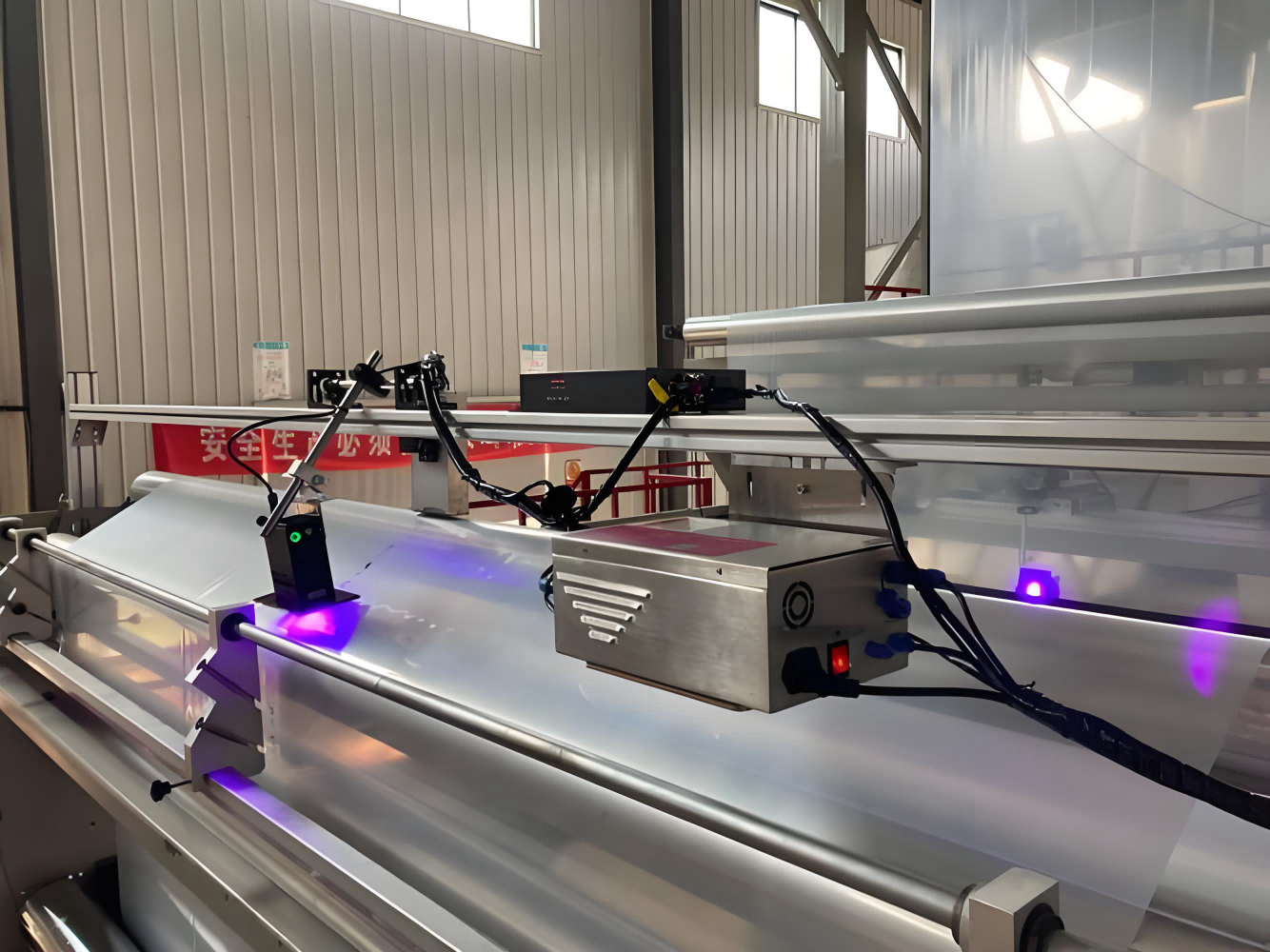
Swapping codes mid-run used to mean pulling out tools, fiddling with loose parts, and hoping nothing slipped out of alignment. Snap-in ink cartridges change that rhythm entirely. The cartridge seats itself with a firm click, no screws or brackets involved, so the switch from one code to another happens in seconds rather than minutes. Operators can read the printed batch number, decide it is time to move on, and press the next cartridge into place without breaking stride.
What makes this approach hold up in daily use is how the snap mechanism handles repeated insertions. The locking tabs are designed to wear evenly, so the cartridge stays put during high-speed marking but still releases cleanly when you pull it. That balance matters on lines where mixed-code changeovers happen several times a shift. Instead of nursing a worn-out mounting system, crews simply keep a few pre-filled cartridges nearby and focus on the actual product flow.
There is also less room for error when the cartridge only fits one way. The keyed housing prevents backwards installation, which used to be a common source of smeared codes or damaged printheads. With the snap-in design, even a new operator can handle a changeover correctly on the first try, and the cartridge itself shields the ink from drying out between runs. For any operation juggling date codes, lot numbers, or regional markings, that kind of foolproof speed is hard to overstate.
Vibration-Dampening Printhead Brackets for Fast Lines
At higher line speeds, printhead oscillation stops being a minor nuisance and starts showing up in every barcode and batch code. The brackets use a constrained-layer damping approach—rigid outer plates with a viscoelastic core—to absorb the micro-movements that would otherwise blur edges and distort small text. This isn't about adding rubber washers; the bracket geometry itself breaks up resonant frequencies before they reach the printhead.
Installation on fast packaging or labelling lines requires no extra alignment jigs because the bracket maintains its stiffness under clamp load while still isolating the head from frame-borne vibration. Maintenance teams notice fewer reprints and less nozzle clogging from airborne dust kicked up by chattering mounts, which keeps the line moving instead of stopping for manual adjustments every shift.
The real difference shows up on long runs with variable substrate thickness. Cardboard, film, and thin foils each excite different vibration modes, and a well-designed dampening bracket flattens those peaks across the board. Operators can push line speed closer to the mechanical limit without sacrificing code legibility, and that translates directly into higher throughput without a capex-heavy rebuild.
Pressure-Based Clog Alerts Before Any Bad Print
Most printers only react after a clog has already ruined a layer. The pressure-based approach watches the nozzle's internal flow in real time, catching tiny resistance spikes long before plastic stops moving. That means you get a heads-up while the print still looks fine, not a failed part sitting on the bed.
The system learns the normal pressure curve for your filament and nozzle setup, then flags any deviation that suggests debris or heat creep is building up. When the alert triggers, you can pause, purge, or lower the temperature before the blockage turns into a blob or a stripped gear. No guesswork, no wasted hours.
You'll notice fewer emergency cleanouts and far less wasted material. The early warning gives you time to fix the issue mid-print, so a minor hiccup never becomes a full-blown failure. It's the difference between a quick intervention and starting over from scratch.
Modular Rails That Fit Legacy Conveyor Frames
Instead of scrapping older conveyor lines, these modular rails slide into place on existing frames with minimal drilling or welding. The segmented design compensates for slight misalignments and uneven wear, so you’re not forced to re-square an entire run just to add a guide rail.
Each rail section ships with adjustable clamps that grab standard frame flanges and common bolt spacing, which means installation rarely disrupts production for more than a shift. If a section gets damaged, you swap out that piece rather than pulling down long welded runs.
The powder-coated steel and optional stainless inserts hold up in washdown areas and high-abrasion zones, while the low-profile brackets leave room for existing sensors and diverters. Over time, you can extend the same rail system to new sections without re-engineering the supports.
Real-Time Drop Tuning for Rough or Curved Surfaces
On uneven or curved substrates, fixed droplet parameters rarely produce consistent coverage. Real-time drop tuning changes droplet size, velocity, and placement as the print head moves, adapting to local surface geometry. This keeps deposit thickness uniform even where the surface dips, rises, or bends sharply.
A fast surface profiler usually feeds local roughness and curvature data into a closed-loop controller. Within microseconds, the controller adjusts piezo drive or pressure settings so droplets land with the right volume and impact energy. That prevents pooling in recessed areas and thinning on high points, which is critical for conformal coatings and printed electronics.
The advantage over precomputed paths is that the system reacts to the actual surface as it is encountered, including small warps or texture variations that static calibration cannot fully predict. This improves edge sharpness and adhesion on parts with complex topology.
FAQ
Newer systems tackle clogged nozzles and ink settling with self-cleaning printheads and automated agitation cycles. They also monitor ink viscosity in real time, so quality drops are corrected before they force a line stoppage.
Quick-change ink cartridges and stored job libraries let operators load a new code in seconds. Auto-adjusting throw distance means the printhead repositions itself for different package shapes without manual recalibration.
It keeps contrast and code legibility consistent across long runs, which is critical for traceability and compliance. Operators no longer need to pause for frequent manual checks or risk fading codes on fast-moving products.
Scheduled purging, nozzle checks, and printhead cleaning can now happen during production without stopping the conveyor. This shifts maintenance from a reactive chore to a background process that prevents small issues from growing.
Yes, dynamic focusing and sensor-guided positioning adjust the print distance on the fly. This allows one printer to mark bottles, cans, or irregular packaging without manual adjustments between formats.
Interfaces have been simplified with guided diagnostics and step-by-step prompts, so common fixes take minutes instead of hours. Many daily maintenance tasks have been automated, freeing operators to focus on other line duties.
Robust construction with sealed electronics, remote monitoring that sends alerts to a phone or control room, and modular parts that can be swapped quickly during a shift are key. These features minimize the need for specialist technicians on site.
Conclusion
Modern inkjet marking systems now address the real causes of line stoppages rather than just speeding up printheads. Self-cleaning nozzles kick in during brief pauses between products, so a micro-stop that used to leave dried ink behind instead becomes a chance to purge and reset. Snap-in cartridges eliminate the fiddly tubing and priming steps that slow down mixed-code changeovers; operators can swap from a date code to a batch number in seconds without touching a single fastener. Meanwhile, pressure-based clog alerts track ink flow continuously and flag a developing restriction before the first bad print, letting maintenance intervene during planned breaks instead of after a pallet of unreadable labels has shipped.
On the mechanical side, vibration-dampening printhead brackets keep the print steady even when conveyors run at full speed or nearby equipment rattles the line, which prevents blurry characters on high-throughput packaging. Modular rails are designed to clamp onto older conveyor frames without welding or custom machining, so a factory can upgrade its coding capacity without ripping out the existing transport system. For rough or curved surfaces—think molded plastic caps, corrugated edges, or cylindrical bottles—real-time drop tuning adjusts voltage and waveform on the fly to maintain crisp, legible marks regardless of surface variation. Together these changes mean fewer unplanned stops, faster format shifts, and consistent code quality across the entire shift.
Contact Us
Contact Person: Jacky
Email: [email protected]
Tel/WhatsApp: 086 15000607053
Website: https://www.danmajet.com