

Laser Safety Curtain Export: A Complete Guide for Global Markets
2026-06-08
Expanding into global markets with laser safety curtains demands more than just a great product—it requires navigating a maze of regulations, logistics, and customer expectations. Whether you’re a seasoned exporter or entering the field for the first time, understanding these complexities can make or break your success. At LASERPAIR, we’ve seen how the right approach turns challenges into opportunities. This guide unpacks everything you need to know, from compliance to customs, so you can ship with confidence and grow your business worldwide.
Where Global Demand for Laser Barriers Is Heating Up
Across the Asia-Pacific corridor, a surge in high-tech manufacturing and infrastructure rollouts is pushing laser barrier adoption far beyond traditional factory floors. Nations like South Korea, Japan, and coastal China aren't just building more—they're embedding laser systems into automated assembly lines and logistics hubs, where precision and split-second safety triggers have become non-negotiable. The real kicker is the rise of mega-construction projects in India and Southeast Asia, where portable laser curtains are increasingly slung around tunneling sites and elevated rail corridors, driven as much by tight timelines as by a new breed of on-site risk protocols.
The Middle East tells a slightly different story, one shaped by dual pressures: oil-rich infrastructure and a relentless push toward defense modernization. In the Gulf states, laser barriers are popping up around refineries and petrochemical complexes, not as an afterthought but as core elements of perimeter hardening against drone incursions and unauthorized access. Meanwhile, military testing ranges from Israel to Saudi Arabia are layering advanced laser fencing into exercise zones, where the blend of blinding-light hazards and physical security gaps demanded solutions that standard fencing simply couldn't deliver. North Africa is following a similar arc, especially in countries revisiting their energy security frameworks after a string of pipeline disruptions.
Europe and North America, for their part, are grinding through a different gear: regulatory overhauls. New workplace safety directives across the EU are tightening the definition of "adequate guarding" in optical laboratories and laser-cutting workshops, sending facility managers scrambling for certified barrier systems that didn't exist on the radar five years ago. In the United States, the reshoring of semiconductor fabrication plants has created micro-hotspots in Arizona and Texas, where cleanroom protocols now explicitly name laser segregation as a audit-primary checkpoint. The pattern is unmistakable—demand is no longer about plugging obvious risks; it's about anticipating the weird, hybrid hazards that modern industry keeps inventing.
Navigating the Regulatory Maze Before Shipping
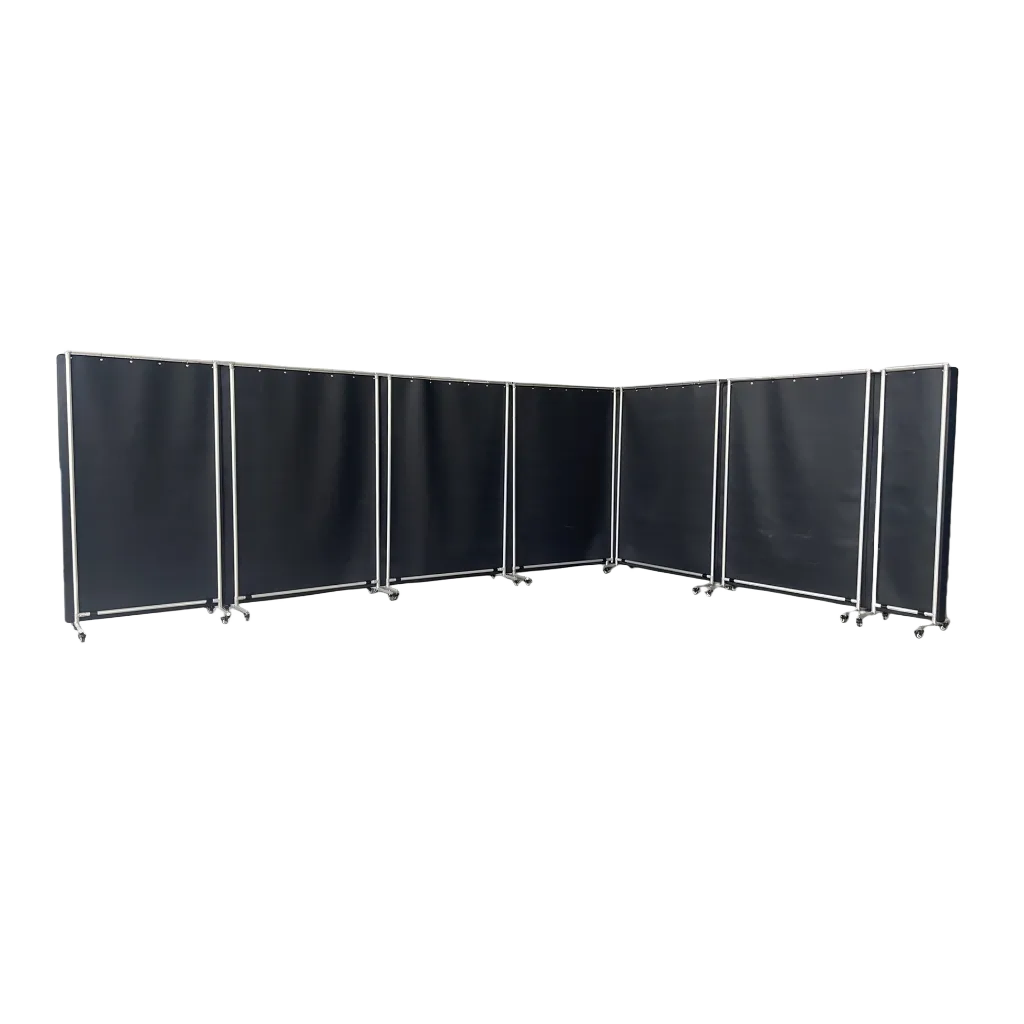
Getting your product from warehouse to customer isn't as simple as slapping on a label—every border introduces its own thicket of rules. One wrong document or missed tariff code can stall a shipment for weeks, eating into margins and trust. The key is mapping out country-specific demands early, whether that means certifying electronics for EU safety standards, pre-clearing textiles through U.S. customs bonds, or simply remembering that bamboo-handled brushes face different duties than plastic ones. Treat this phase not as paperwork drudgery, but as the unseen architecture that supports a smooth delivery.
The trick is to bake compliance into your product development, not bolt it on at the end. If you're designing a gadget destined for Germany, know that their packaging disposal fees require you to register with a dual system; ignore it, and your pallet gets quarantined. Build a working relationship with a freight forwarder who knows the quirk of perishable goods clearance in Singapore, or the exact phrasing a commercial invoice needs for duty relief in Canada. Small misjudgments in this stage often snowball into frustrated customers tracking “held at customs” alerts, so teams that obsess over these details turn a potential bottleneck into a competitive edge.
Finally, remember that regulations don’t stand still. A trade agreement that lowers tariffs today might be renegotiated tomorrow, and what cleared without issue last quarter could now trigger ad-hoc inspections. Savvy shippers maintain living documentation, subscribe to government bulletin emails, and even pilot test shipments before scaling. By weaving regulatory curiosity into your logistics routine—asking dumb questions, double-checking when a rule sounds too simple—you’ll avoid the reactive scramble that buries many growing brands. It’s less about mastering a maze and more about learning to dance with it.
Material Matters That Decide Border Clearance
Customs authorities pay close attention to the physical nature of goods crossing borders. For instance, wooden pallets and crates might require fumigation certificates to prevent pest transfer, while electronics face scrutiny over restricted substances like lead or mercury. A shipment’s material composition can trigger immediate holds if it contains flammable, corrosive, or otherwise hazardous elements that haven’t been properly declared.
Beyond obvious dangers, materials like asbestos, ozone-depleting chemicals, or conflict minerals are subject to outright bans or special permits in many regions. Border agents will frequently cross-check a product’s stated ingredients against safety data sheets and lab reports. Even minor inconsistencies—such as a missing alloy specification on metal parts—can escalate into costly inspections, storage fees, or rejection.
Packaging choices also influence clearance outcomes. Some countries restrict single-use plastics or demand proof that cushioning materials are biodegradable. Regulators increasingly expect importers to back up claims about recycled content or organic fiber sources with third-party certifications. Proactively aligning raw materials and wrapping solutions with destination rules not only speeds up release but also builds a reputation for compliance that can simplify future shipments.
Making Your Offer Stand Out in Crowded Markets
When markets get noisy, the first instinct is often to lower price or mimic what competitors are doing. But this only fuels the race to the bottom. Instead, anchor your offer in a narrative that makes buyers feel something. People don’t just buy a product; they buy a story they can believe in. Share the origin, the late-night frustrations, the specific moment you knew there had to be a better way. Make your offer about their transformation, not your features.
Dig deeper into the gaps your rivals overlook. Maybe it’s an onboarding experience that doesn’t require a manual, or a packaging detail that turns unboxing into a ritual. Small, intentional choices create a sense of belonging—and that’s something no price war can replicate. Talk to your existing customers as if they’re part of an insider club, and use their language, not textbook jargon. Then, weave that same human texture into every touchpoint, from your landing page copy to your thank-you emails.
Finally, resist the urge to launch and fix later. Instead, pair your offer with a promise that feels brave. For example, if you’re a consultant, guarantee a measurable outcome within a month or work for free. If it’s a physical product, offer a trial that’s genuinely risk-free, with no fine print. These bold moves cut through the clutter because they shift the focus from “buy my stuff” to “I’m willing to bet on your success.” In crowded markets, the ones who stand out are those who dare to make themselves slightly irreplaceable.
The Hidden Costs of Moving Curtains Across Continents
Moving curtains across continents sounds straightforward until you start adding up the expenses that aren't listed upfront. Beyond the basic shipping rate, you'll likely face customs duties, brokerage fees, and port handling charges that can quickly spiral. Some countries impose additional taxes based on fabric type or declared value, and if your shipment includes wooden rods or metal tracks, you might also run into quarantine or material inspection fees.
Then there's the packaging challenge—curtains require careful handling to avoid creasing or damage, so specialized packing materials and palletizing often bump up the cost. Insurance is another layer, since standard carrier liability rarely covers the full replacement value of custom drapery. And don't underestimate the cost of time delays: if your curtains get held up in customs or miss a connecting vessel, you could be paying storage fees while your project stalls. Planning with a freight forwarder who understands these hidden snags can save you from unpleasant surprises.
Growth Spots You Didn't Know Were Buying
A few years ago, nobody would have guessed that retro motels along forgotten highways were turning into hot commodities. Yet here we are, with buyers snapping up roadside properties in places like Tucumcari, New Mexico, or the A1A stretches in Florida. They’re not after luxury—just authentic charm, a bit of nostalgia, and surprisingly steady cash flow from travelers tired of bland chains.
Industrial zones on the fringes of midsize cities are staging a quiet comeback. Think old textile mills in Greenville, South Carolina, or tool workshops in Bilbao’s outskirts. Artists and small manufacturers are moving in first, and investors follow, betting on the slow burn of cultural cachet. It’s not about overnight flips; it’s about riding a wave that hasn’t yet made the headlines.
Then there’s the overlooked farmland in pockets of Japan’s Hokkaido or Portugal’s Alentejo. It sounds unlikely, but young buyers are swapping city leases for sunbaked acres and derelict farmhouses. They’re chasing self-sufficiency and clean air, and while they’re not ringing up huge profits, the steady drip of demand has turned these spots into low-key growth stories that defy the usual housing market chatter.
FAQ
In Europe, laser safety curtains must comply with EN 60825-4, which specifies requirements for laser guards. They also need CE marking under the Machinery Directive or Low Voltage Directive, depending on the application. Ensuring materials have appropriate optical density and fire resistance ratings is crucial.
Optical density (OD) depends on the laser's wavelength and power. Calculate the required OD by considering the maximum permissible exposure (MPE) and the laser's irradiance. Typically, an OD of 4+ is common for industrial lasers, but always verify with a laser safety officer.
Demand is strong in countries with advanced manufacturing sectors like Germany, Japan, and the US, especially in automotive and aerospace industries. Emerging markets in Southeast Asia and Eastern Europe are also growing due to increased automation and laser adoption.
Challenges include managing bulky but lightweight packages to avoid high volumetric weight charges, ensuring proper packaging to prevent creasing or damage to the flexible materials, and navigating customs classifications that vary by country.
While standard sizes exist for common laser machines, many exporters offer customizable panels. Providing a flexible sizing guide helps overseas clients measure their enclosures, but note that large custom curtains may require crating for safe transport.
Essential documents include a commercial invoice, packing list, and bill of lading. You'll also need a certificate of conformity (like CE or FDA) and, in some cases, a test report showing optical density and fire resistance as per international standards.
Clearly outline warranty terms in the sales contract, covering material defects for a set period. For returns, consider partnering with a local distributor to handle minor issues or provide clear instructions for repackaging to prevent damage in return shipping.
Yes, because laser safety curtains are passive safety components and don't require power. However, if they are part of an active system with interlock switches, those electrical components must comply with the destination country's voltage and plug standards.
Conclusion
The global market for laser safety curtains is expanding rapidly, driven by a surge in industrial automation, advanced manufacturing, and stricter workplace safety regulations. Regions like Southeast Asia, the Middle East, and Eastern Europe are emerging as unexpected growth spots, where investments in laser-based technologies are booming. However, capitalizing on this demand requires more than just a quality product; exporters must deftly navigate a complex regulatory maze. Each destination enforces its own standards—such as EN 60825 in Europe or ANSI Z136 in the United States—and non-compliance can lead to goods being held at customs. Understanding these nuances early in the process not only prevents costly delays but also builds trust with international buyers who prioritize certified safety solutions.
Material selection is another critical factor that directly impacts border clearance and market acceptance. Fabrics must meet specific optical density ratings and flame-retardant certifications to satisfy both safety and import regulations. Additionally, the logistics of shipping bulky curtain systems across continents hide numerous hidden costs, from dimensional weight surcharges and export packaging to insurance and warehousing fees. To thrive in crowded markets, suppliers need to differentiate through value-added services like rapid installation guides, multilingual technical support, and customization options that address local industry needs. By weaving together regulatory expertise, strategic material choices, and a clear-eyed view of logistical expenses, exporters can transform a commodity product into a compelling, market-adapted solution that stands out globally.
Contact Us
Contact Person: Jenny
Email: [email protected]
Tel/WhatsApp: +86 13537713281
Website: https://www.laserpair-safety.com/