

Laundry Pods Company Reveals the Most Common Pod Mistakes and How to Avoid Them
2026-11-26
If you've ever stood in the laundry aisle wondering why your pods aren't dissolving or why white streaks keep showing up on dark clothes, you're not alone. A leading laundry pods company just revealed the most common mistakes people make—and most of them are surprisingly easy to fix. From overloading the machine to dropping pods in the wrong spot, these everyday slip-ups are quietly ruining your wash. At LANJIEYA, we believe better laundry starts with knowing what not to do. Here's a look at the top pod errors and the simple switches that can save your clothes, your machine, and your time.
Why a Dry Scoop Matters More Than You Think
Most people treat a dry scoop as nothing more than a shortcut, but the way it lands on your tongue changes the whole experience. Without cold water muting the flavor, you get the full texture and bitterness right away, and that forces you to pay attention to what you are actually taking.
There is also a practical side that gets overlooked. A dry scoop is cleaner to carry, easier to measure on the go, and spares you from carrying around a half-empty shaker that turns warm and stale. When you skip the liquid, you decide exactly when the ingredients hit instead of sipping them slowly over an hour.
That does not mean caution should go out the window. The reason a dry scoop matters is that it changes intensity, timing, and even the ritual around the product. If you treat it as a deliberate moment rather than a careless habit, it feels less like a routine and more like part of the process.
The Cold Water Setting That Leaves Pod Film Behind
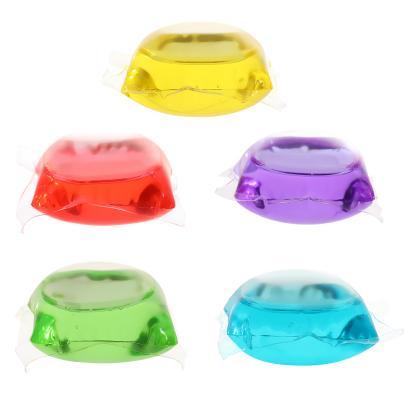
Most people assume a cold wash simply means less cleaning power, but the real frustration shows up as a cloudy, filmy residue left behind after the pod's outer layer fails to dissolve. When water temperatures dip below the dissolving threshold, the polyvinyl film can break apart unevenly, leaving fragments stuck to glassware or the inside of the machine. It looks like hard water staining, but dry a load in that state and the film bakes on, making it tougher to remove later.
The fix usually starts with checking the actual water temperature at the inlet rather than trusting the dial. In colder climates, incoming water can stay low enough that a cold or eco setting keeps the pod skin from melting away fully. Running the hot water tap at the sink before starting a load, or switching to a warm setting for cycles that include pods, tends to prevent that brittle half-dissolved shell. If the film has already bonded to dishes, a rinse-and-rewash without detergent usually clears the haze once the water is warm enough.
It is also worth matching the pod type to the cycle. Some pod films are designed to break down at lower temperatures, but they still rely on enough water movement to carry away the dissolved layer. Overloading the machine or blocking the dispenser can leave those same sheets clinging to a door seal or utensil. A less crowded rack, a clean dispenser cup, and a warm pre-rinse are often what finally stop the film from reappearing.
Overloading the Drum Before the Pod Has Room to Dissolve
A drum packed to its absolute limit leaves almost no space for water to move the way it should. The pod can get wedged between heavy wet fabrics, pressed against the door seal, or tangled inside a duvet cover where the water barely reaches it. You might not notice until the cycle ends and a slick, jelly-like film is still sitting on a shirt or smeared inside the glass.
The problem is not just that the pod dissolves slowly. In an overloaded machine, the outer membrane may soften unevenly, tear in one spot, and then get trapped before the detergent inside can rinse away cleanly. This is even more likely with cold wash cycles or dense loads made up of towels and jeans, because the pod needs sustained contact with moving water to break down completely.
Leaving a clear gap at the top of the drum, usually around a quarter of the total space, gives the pod room to dissolve and circulate. Place the pod at the back or bottom before adding clothes, and avoid piling bulky items on top of it. If the load feels like it needs to be pushed down just to close the door, it is worth splitting it into two washes.
Storing Pods Where Steam and Humidity Sneak In
Next to the kettle, above the dishwasher, or in that narrow cabinet beside the stove—these are exactly the places where coffee pods quietly go stale. Steam rolls through the gaps, condenses on the foil lids, and weakens the seal before you notice anything wrong. The first sign is usually a pod that feels faintly damp or a box with corners that have started to curl. By then, the grounds inside have already lost their dry, fresh edge.
Move pods to a cooler, drier spot that sits away from appliances that breathe warm, wet air. An airtight tin on a shaded counter can work, but only if it is positioned far from the espresso machine's steam wand and the rice cooker's vent. Inside a cabinet, choose a shelf closer to the floor rather than one directly above a boiling appliance. Keeping the pack sealed and the area free of ambient steam preserves the crema and keeps every cup from tasting flat.
The Dispenser Drawer Mistake That Sends Suds the Wrong Way
Most people assume the washer's dispenser drawer is a simple tray, but it relies on a precise sequence of water flow. If the drawer is not fully closed, water can hit the edge of a compartment and splash detergent into the wrong channel. That often sends soapy water toward the outer tub seal or back into the drawer cavity instead of down through the drum.
Overfilling is another version of the same problem. Liquid fabric softener and bleach compartments work with a siphon tube that needs air to operate. When you pour past the marked fill line, the liquid blocks that air path and can be pulled into the washer too early or pushed sideways into a neighboring compartment. The result is a load that gets softener during the wash cycle and detergent during the rinse, which leaves residue behind.
Powdered detergent can cause trouble too. If the drawer is damp or the powder is heaped in, it clumps and hardens. On the next cycle, the water jet may skim over the lump and force suds sideways into the drawer front. Wiping the drawer dry and loading it only to the guide marks keeps the water moving where it should, so the suds end up in the drum rather than all over the floor.
Handling Pods With Wet Fingers Before the Cycle Starts
Touching a detergent pod with damp fingers may seem harmless, but it often leaves a thin film of moisture on the outer membrane. That film can make the pod stick to the dispenser cup or start softening before the wash even begins, which sometimes prevents the pod from dropping into the drum at the right moment.
If your hands are wet or you have just loaded dishes, take a second to dry them before reaching into the container. Grab the pod by its dry edges or use the scoop, and avoid rolling it between your fingers. A quick pat with a dry towel can help if the pod already feels tacky.
This matters even more with short cycles or delay start settings, where any early exposure to moisture gives the pod time to gum up around the dispenser. Keeping the pod dry until the water hits it keeps the cycle predictable and avoids half-dissolved residue on your dishes.
FAQ
Assuming every load needs the same amount of detergent. For a regular or lightly soiled load, one pod is normally enough, and using more can leave a sticky film on fabrics because the rinse cycle cannot clear the extra soap.
It matters more than most people expect. The pod should go into the empty drum before you add clothes. Tossing it on top of a full load lets it get trapped in folds where it cannot dissolve fully.
That residue usually points to cold water or an overloaded machine. Without enough warm water and room for clothes to move, the outer film does not break down completely during the wash.
No, you should never cut them. The film is meant to dissolve whole in the wash, and breaking it open can release highly concentrated detergent onto your hands or leave uneven distribution in the machine.
Yes, but the rule is one pod unless the machine manual says otherwise. High-efficiency washers use less water, so extra detergent tends to stay on clothes instead of rinsing away.
Storing them where moisture can reach them. Keep the pods in their original sealed container in a dry spot, and never reach in with wet hands because even a little water can start dissolving the film early.
Run the load again on a rinse and spin cycle with warm water. For the next wash, use fewer clothes, choose a warmer setting, and place the pod in the drum before loading anything else.
Conclusion
Most people assume laundry pods are foolproof, but small handling habits quietly reduce how well they work. One of the most overlooked steps is keeping your hands completely dry when you grab a pod. Moisture from wet fingers can start dissolving the film before the cycle begins, leaving sticky residue on the pod and inside the machine. For the same reason, pods should stay in a sealed container away from sinks, washers, or any spot where steam and humidity build up. Once that outer film softens, it can tear too early or gum up in the drawer. Speaking of the drawer, pods belong directly in the drum, not in the dispenser compartment. In many front-loaders, putting a pod in the drawer sends suds through the wrong channel and can leave the drum starved of detergent while the drawer fills with foam.
Water temperature and load size matter just as much as placement. A very cold wash may not fully dissolve the pod film, particularly on quick cycles, so a cool or warm setting often works better than ice-cold water. Before adding clothes, drop the pod into an empty drum and let it sit at the back or bottom, then load laundry on top. If the drum is packed too tightly first, the pod can get trapped in fabric and fail to dissolve evenly. Leaving enough room for water and clothes to move helps the pod release detergent where it can actually reach the whole load. Small changes—dry hands, proper storage, correct placement, and a little space in the drum—are usually enough to avoid the most common pod failures and get a cleaner wash without extra detergent.
Contact Us
Contact Person: Zhao Yanlong
Email: [email protected]
Tel/WhatsApp: 8615832007309
Website: https://www.gzlanjieya.com