

Nickel Alloy Steel Export: Unlocking Global Markets and Industrial Applications
2026-04-09
In today's interconnected industrial landscape, nickel alloy steel stands as a cornerstone of innovation, driving progress across sectors from aerospace to energy. These specialized materials offer unparalleled strength, corrosion resistance, and durability, positioning them as vital assets in meeting global challenges. As demand surges worldwide, understanding the export dynamics and applications of nickel alloy steel has never been more critical. At the forefront of this evolution is Jiangsu Baowu New Materials, a leader in developing and supplying high-performance alloys that shape modern industries. This blog delves into how nickel alloy steel is unlocking new markets and powering cutting-edge applications, offering insights into the future of industrial materials.
Composition and Properties of Nickel Alloy Steel: Enhancing Durability and Performance
Nickel alloy steel is a remarkable material that combines the strength and toughness of steel with the unique properties of nickel, creating a synergy that significantly boosts durability and performance in demanding applications. By adding nickel in varying percentages, typically ranging from 2% to 20%, manufacturers can tailor the alloy's characteristics to resist corrosion, withstand high temperatures, and maintain structural integrity under stress. This adaptability makes it a go-to choice in industries where traditional steels fall short, such as aerospace, chemical processing, and power generation.
What truly sets nickel alloy steel apart is its ability to form a passive oxide layer when exposed to harsh environments, which acts as a shield against degradation. This self-protecting mechanism not only extends the lifespan of components but also reduces maintenance costs over time. For example, in marine settings or acidic conditions, this alloy's superior resistance to pitting and crevice corrosion ensures reliability where other materials might fail, showcasing its role in enhancing long-term performance without frequent replacements.
Beyond corrosion resistance, nickel alloy steel excels in mechanical properties like tensile strength and fracture toughness, even at elevated temperatures. This makes it indispensable in high-stress scenarios, such as turbine blades in jet engines or valves in oil refineries. Its versatility allows engineers to design lighter, more efficient structures without sacrificing safety or durability, pushing the boundaries of what's possible in modern engineering projects.
Global Export Trends and Market Dynamics for Nickel Alloys
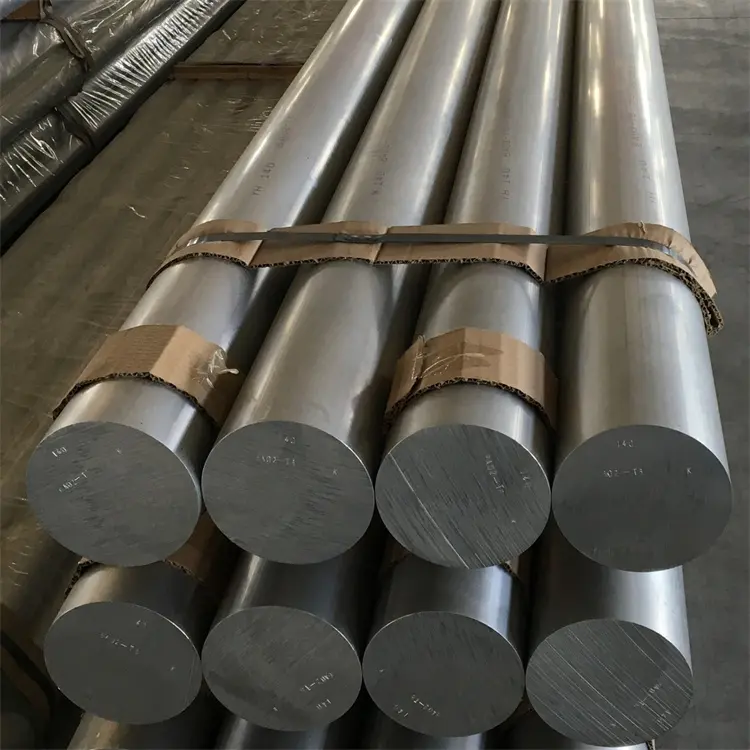
Nickel alloys are increasingly in demand across the globe, driven by sectors such as aerospace, energy, and chemical processing that rely on their corrosion resistance and high-temperature strength. In recent years, export volumes have seen a notable rise, particularly from major producers like China, the United States, and Germany, as manufacturers seek to meet global industrial needs for durable and efficient materials.
Market dynamics are shaped by factors like fluctuating raw material costs, technological advancements in alloy development, and shifting regulatory environments that impact production and trade. For instance, innovations in nickel-based superalloys have expanded applications in green energy projects, influencing export strategies to target emerging economies investing in sustainable infrastructure.
Trade policies and geopolitical tensions also play a critical role, with tariffs and supply chain disruptions affecting export flows and pricing. This landscape encourages manufacturers to adapt by diversifying their export destinations and investing in regional production hubs to mitigate risks and capitalize on localized demand spikes in sectors like automotive and electronics.
Key Industrial Applications: From Aerospace to Energy Sectors
The aerospace industry relies heavily on advanced materials and precision engineering, pushing the boundaries of technology in areas like lightweight composites and high-performance alloys. These innovations not only enhance aircraft efficiency and safety but also drive developments in satellite systems and space exploration, showcasing how materials science fuels progress from commercial flights to deep-space missions.
In the energy sector, cutting-edge applications span from renewable solutions to traditional power generation, leveraging technologies such as smart grids and energy storage systems. For instance, the integration of nanomaterials improves solar panel efficiency, while advanced turbines optimize wind and hydroelectric power, highlighting a shift toward sustainable practices that address global energy challenges.
Beyond these fields, industrial applications extend to robotics and automation, where aerospace-inspired sensors and energy-efficient designs enhance manufacturing processes. This cross-sector synergy not only boosts productivity but also fosters innovation in areas like electric vehicles and smart infrastructure, emphasizing the interconnected role of technology in shaping modern industrial landscapes.
Advantages in Corrosion Resistance and High-Temperature Use
When durability meets extreme conditions, our materials stand resilient. Beyond simple longevity, they resist chemical attacks and harsh environments without degrading, making them ideal for industries like chemical processing and marine applications where corrosion is a constant threat. The enhanced durability translates to lower maintenance costs and fewer replacements over time.
High-temperature performance isn't just about handling heat—it's about stability under thermal stress. These materials maintain structural integrity and mechanical properties in demanding settings, such as aerospace engines or industrial furnaces, ensuring safe and efficient operation even when temperatures soar. This thermal stability prevents failures and extends product lifespans under intense heat.
Combining corrosion resistance with high-temperature capabilities allows for versatile use across sectors. From automotive components enduring road salt and engine heat to energy systems exposed to corrosive elements and thermal cycles, these advantages provide a reliable solution that outperforms standard materials in both harsh and variable conditions.
Challenges and Opportunities in International Nickel Trade
The international nickel trade often faces the challenge of navigating complex regulations and tariffs between countries, which can create significant barriers to smooth transactions. This regulatory maze not only complicates compliance but also raises costs for traders, who must adapt to rapidly evolving policies. Despite this, growing demand for nickel in industries like electric vehicle batteries is driving innovation in trade practices and opening new avenues for collaboration.
Another hurdle lies in market volatility, where prices can swing dramatically due to factors like geopolitical tensions or supply chain disruptions. This unpredictability can deter investment and make long-term planning difficult. On the flip side, these fluctuations present opportunities for savvy traders to capitalize on price differentials and develop hedging strategies that mitigate risk while enhancing profitability.
Environmental concerns add a further layer of complexity, as sustainable sourcing and ethical mining practices become critical in trade negotiations. Balancing economic interests with ecological responsibility is no small feat, but it also spurs the creation of green technologies and partnerships that can lead to more resilient trade networks in the future.
Innovations Driving Future Growth in Nickel Steel Utilization
As industries push for stronger, lighter materials, nickel steel is gaining traction due to its exceptional properties. Recent breakthroughs in additive manufacturing, such as 3D printing with high-nickel alloys, allow for complex, custom-designed components that were previously impossible to fabricate. This not only reduces waste but also opens new avenues in aerospace and automotive sectors where durability and efficiency are paramount. For instance, companies are experimenting with nickel-steel composites to produce engine parts that withstand extreme temperatures, leading to longer lifespans and lower maintenance costs.
Environmental concerns are also driving innovation, with researchers developing greener production methods that minimize carbon footprints. Advances in recycling technologies enable more efficient recovery of nickel from scrap steel, reducing reliance on mining and aligning with circular economy goals. In construction, nickel-containing stainless steels are being used in sustainable building projects due to their corrosion resistance and longevity, which lower replacement needs over time. These eco-friendly approaches are not only enhancing material performance but also attracting investment from forward-thinking industries aiming to meet stricter regulations and consumer demands.
Looking ahead, smart materials and nanotechnology are set to revolutionize nickel steel applications further. By embedding sensors into nickel-steel structures, real-time monitoring of stress and wear can prevent failures and optimize usage in critical infrastructure like bridges and pipelines. Additionally, nanoscale modifications improve strength-to-weight ratios, making it ideal for next-generation consumer electronics and medical devices. This ongoing synergy between material science and digital innovation promises to unlock untapped potential, ensuring nickel steel remains a key player in shaping a resilient and advanced industrial future.
FAQ
Nickel alloy steel is widely used in industries such as aerospace for engine components, chemical processing for corrosion-resistant equipment, and power generation for high-temperature parts, due to its strength and durability.
Exporting nickel alloy steel opens up access to diverse industries worldwide, fostering economic growth through trade, technological exchange, and meeting the demand for high-performance materials in manufacturing.
The global demand for nickel alloy steel is driven by factors like industrialization in emerging economies, advancements in renewable energy technologies, and the need for materials that can withstand extreme environments.
Exporters may encounter challenges such as varying international regulations, competition from local suppliers, logistical complexities, and adapting to different quality standards and customer preferences in foreign markets.
Innovations like developing more efficient manufacturing processes, improving material properties for specific applications, and reducing production costs can make nickel alloy steel more competitive and appealing in global trade.
Emerging trends include increased focus on sustainability with recyclable alloys, growth in sectors like electric vehicles and infrastructure, and digitalization in supply chains to improve export efficiency and transparency.
Conclusion
The export of nickel alloy steel is pivotal in unlocking global markets, driven by its unique composition and properties that enhance durability and performance. This material combines nickel with steel to improve tensile strength and toughness, making it indispensable in demanding industrial applications. Global export trends reveal a dynamic market where demand surges from aerospace and energy sectors, fueled by increasing infrastructure and technological advancements. However, challenges in international nickel trade, such as supply chain constraints and geopolitical factors, present hurdles that require strategic navigation to sustain growth.
Innovations in nickel steel utilization are driving future expansion, focusing on corrosion resistance and high-temperature capabilities that outperform traditional materials. These advantages position nickel alloy steel as a key player in sectors like automotive and chemical processing, where reliability under extreme conditions is crucial. By addressing opportunities through research and sustainable practices, the industry can overcome trade barriers and tap into emerging markets, ensuring long-term viability and continued innovation in global industrial landscapes.
Contact Us
Contact Person: Zoe Liang
Email: [email protected]
Tel/WhatsApp: 86 189 2128 6299
Website: https://www.baowuchina.com