
Oil Immersed Transformer Distributor Selection Guide for Reliable Power Networks
2026-11-16
Most network reliability problems do not begin with a dramatic failure; they begin with an oil immersed transformer that looked fine on the datasheet but struggled under real thermal and load conditions. That makes distributor selection far more than a purchasing task. In this guide, we break down the practical criteria that separate dependable supply partners from one-time vendors—covering oil quality, testing transparency, delivery consistency, and after-sales response. We also look at how XIAOPAI approaches those expectations, so you can build a power network that stays stable when it matters most.
Distributors Who Know How Oil Immersed Units Behave Under Load
A distributor who really understands oil immersed units under load does not recite nameplate figures. They know the top-oil temperature lags behind winding hot spots when load climbs, and that frequent overloads or harmonic-heavy supplies shorten the thermal margin long before any alarm trips. Instead of asking only for maximum capacity, they ask how often the unit sits above eighty percent, for how long, and what kind of load steps occur during a normal week.
They read load histories and oil samples together. A rising dissolved gas trend at high load tells them more than a single test result. They also know that oil expansion space, cooler efficiency, and pressure changes shift once load passes certain thresholds—some units run quietly at seventy percent but change oil circulation patterns above ninety, creating pockets where heat builds faster than the top-oil gauge suggests.
That experience shows up in small but useful recommendations. They might suggest moving a monitoring point closer to the winding, adjusting the cooler control settings before a known load spike, or selecting a different cooling class rather than simply increasing kVA. It is the kind of judgment that comes from watching units behave under real load cycles, not from a cut sheet.
Clues in a Distributor's Project History That Point to Reliability
A distributor's past behavior often tells you more than any brochure or sales pitch. Look at how they handled late shipments, product defects, or sudden demand shifts. Did they communicate delays before they became problems, or did you have to chase them for updates? Suppliers that proactively flag risks and offer workable alternatives tend to carry that same attentiveness into future orders. If their response history shows a pattern of blaming manufacturers or freight companies without taking ownership, that is a red flag you should not ignore.
Order consistency is another quiet but powerful signal. Pull up records from the last few years and check whether lead times stayed within the ranges they originally quoted. Occasional slip-ups happen to everyone, but a distributor whose promised dates repeatedly drift by weeks may be overcommitting or running on thin inventory. Reliable partners adjust their promises to match real capacity instead of telling you what you want to hear. When their project history shows steady, boring, on-time deliveries, that predictability is worth far more than occasional heroic saves.
Finally, watch how they act after the invoice is paid. Do they follow up to confirm the parts worked as expected? Do they remember your production schedule or previous customization requests without being reminded? Distributors who treat each project as the start of a longer relationship rather than a one-off transaction tend to document lessons learned and apply them to your next order. That kind of institutional memory, visible in their project history, is one of the clearest signs you are dealing with a partner you can rely on when things get complicated.
Overlooked Tank and Cooling Factors That Shorten Transformer Life
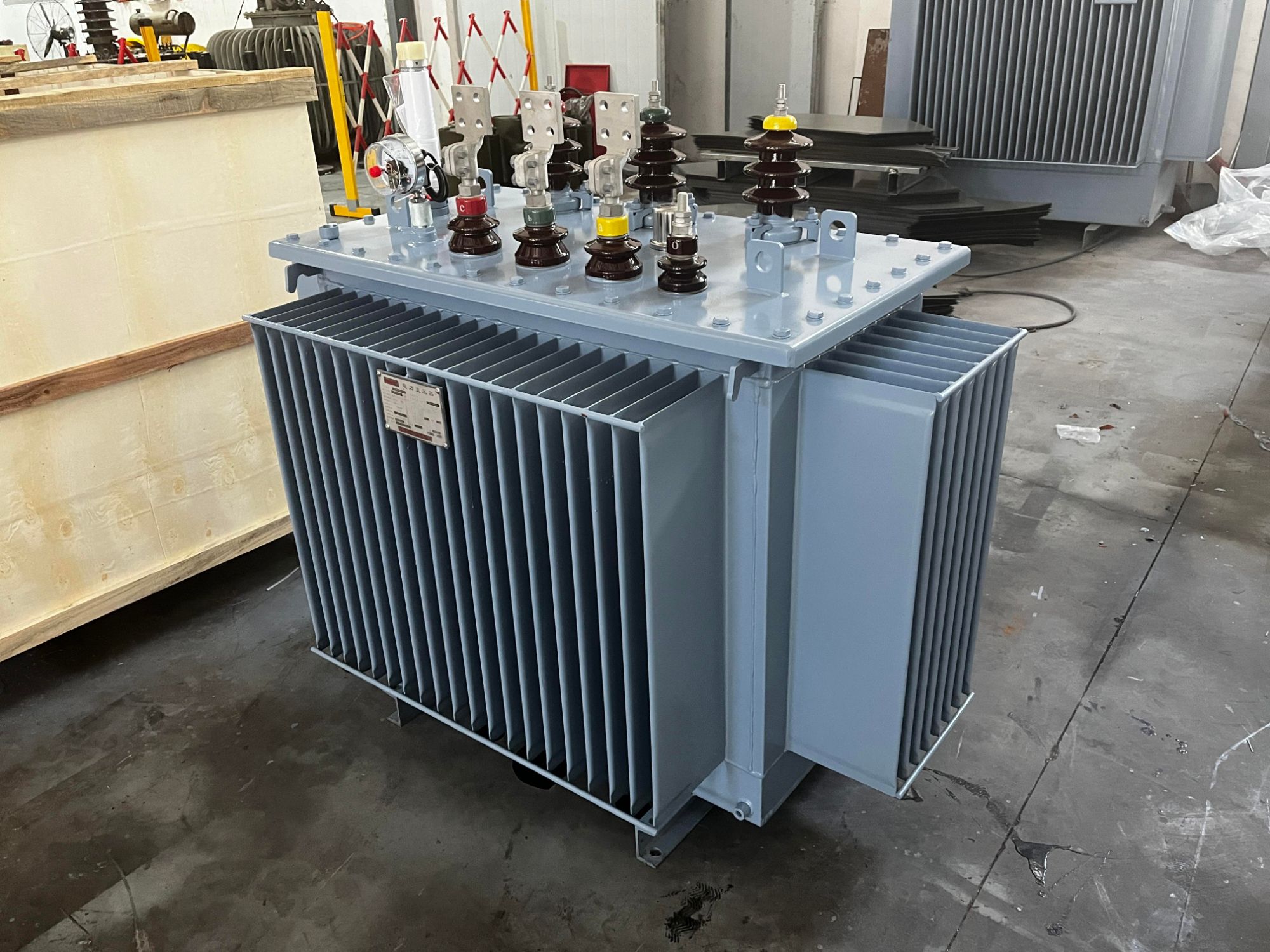
Most transformer life predictions assume the tank and cooling system are doing their job, but field conditions rarely match the nameplate assumptions. A thin film of sludge on the inside of a tank wall or a partially clogged radiator bank changes heat transfer long before a temperature gauge shows anything alarming. The winding hottest-spot temperature is what ages insulation, and anything that slows oil movement or blocks heat from reaching the exterior surface pushes that temperature higher than the top-oil reading suggests.
Cooling fans and pumps get attention when they fail outright, but degraded performance is easier to miss. Fan blades coated with dust, a pump running against a partially closed valve, or air trapped in a cooler header can all reduce oil flow without triggering an alarm. Likewise, conservator and breather issues often get overlooked. A bladder that no longer flexes or a silica gel breather that has turned dark can let moisture in and restrict oil expansion, which stresses seals and shortens gasket life. Those small leaks around bushings and flanges are sometimes dismissed as housekeeping problems, but they are often the first indication of a tank pressure or cooling problem.
Tank finish and surface condition rarely enter loading discussions, yet a heavily weathered or darkly repainted radiator rejects less heat by radiation and convection. Radiator fins bent from foot traffic, shading from newly installed equipment, or even a nearby wall that blocks airflow can make a measurable difference in oil temperature. The useful check is not just a thermal scan under full load, but a comparison of inlet and outlet temperatures across each cooler bank. Uneven temperatures across parallel radiators usually mean flow is not distributing the way the original thermal design assumed.
Local Service Reach Before the First Fault Shuts Down a Feeder
On most distribution circuits, the first fault does not cut power to the entire feeder at once. The reach of local service in that brief moment is determined by the placement and speed of protective devices upstream and downstream. If a recloser or sectionalizer opens quickly near the fault, the upstream portions remain energized and only a small pocket of customers sees the outage.
Protection settings play a larger role than line length here. When time-current curves are coordinated so that the closest upstream device trips first, the feeder is not shut down as a single unit. Instead, the first interruption becomes a local event, and the rest of the circuit keeps serving load. This is why utilities put so much effort into tuning pickup values and adding mid-line fault indicators.
Improving that reach before a full feeder lockout usually involves shortening coordination intervals and moving automated switches to natural boundary points. The aim is to make the first fault small enough that it does not force the entire feeder offline. In the field, that means fewer customers affected, faster patrols, and a shorter time to restore the healthy sections.
Supply Agreements That Keep Maintenance Options Open
Negotiating a supply agreement often becomes a tug-of-war over price and delivery windows, but the real leverage can disappear when maintenance rights are locked into a single vendor. Rather than accepting bundled service contracts that tie you to one provider for years, forward-looking teams structure clauses that allow third-party maintenance after the initial warranty period. This keeps the door open for independent technicians, internal repair crews, or more competitive service bids without triggering penalty fees or voided coverage.
One practical approach is to separate hardware procurement from ongoing upkeep. Specify that the customer retains the right to use non-original parts and third-party labor as long as they meet clearly defined performance standards. Many equipment makers resist this, citing warranty concerns, but a well-drafted agreement can state that independent maintenance will not invalidate the warranty unless the supplier can prove the third-party action caused the specific failure. Such language shifts the burden of proof and discourages blanket threats.
It is also worth negotiating step-in rights: if the original supplier repeatedly misses service-level targets or raises maintenance fees beyond an agreed cap, the buyer can transition to an alternative provider without breaching the core supply terms. By keeping maintenance options open, organizations avoid becoming captive to a vendor whose service quality may decline after the deal is signed, and they preserve the freedom to adapt as internal capabilities or third-party offerings evolve.
Questions That Separate Genuine Partners From Order Takers
Most vendors start with "What do you need?" A genuine partner starts further upstream. They ask why this matters right now, what changes if it works, and who else needs to be convinced. Order takers want a clear list of deliverables so they can quote, schedule, and move on. Partners want the uncomfortable context. That means understanding the pressure behind the timeline, the audience you are trying to reach, and the internal debate about whether the project should exist at all. One approach produces a transaction. The other opens a conversation that often reshapes the brief.
Pay attention to the questions that come after the first meeting. Order takers ask about file formats, approval chains, and invoice cycles. Partners ask things like "What would make you pull the plug on this three months from now?" or "Which part of this problem have you been avoiding because it is politically sensitive?" These questions do not feel efficient. They add a little friction. But they surface the assumptions that quietly sink projects while everyone is busy agreeing on scope and deadlines.
The real test is simple. Walk away from the conversation with more clarity about your own priorities than you had when you walked in. An order taker confirms what you already believe and gives you a price. A genuine partner helps you see the problem more sharply, sometimes by challenging the request itself. That shift from "How do you want it done?" to "Why does this need to exist, and what are we missing?" is the dividing line.
FAQ
Start with how well the distributor understands your actual load profile and ambient conditions, not just nameplate ratings. Ask for examples of transformers they have supplied for similar networks and request details on cooling class, insulation fluid specifications, and how those choices were matched to operating stress. A distributor that asks about your substation environment before quoting is usually more dependable than one that leads with price.
Request factory test reports covering temperature rise, impedance, and insulation resistance rather than relying on brochure values. Look for distributors that can explain how their products behave during short-term overloads and seasonal demand shifts. Honest discussion of thermal limits and fluid degradation is a stronger signal than blanket performance claims.
Because oil immersed transformers often stay in service for decades, and the real cost appears during commissioning, maintenance, or unexpected faults. A distributor with accessible technical staff, clear warranty procedures, and a local service partner can reduce downtime far more effectively than a marginally lower purchase price. Price differences shrink quickly when a failure leaves part of a network dark.
Ask for type test certificates, routine test results, material traceability records, and evidence of compliance with applicable IEC or IEEE standards. Also check the distributor's quality management certification and request a copy of the oil test report. These documents should be supplied without resistance; hesitation often indicates a supply chain that has not been fully verified.
A distributor that keeps common ratings and replacement parts in regional stock can shorten repair cycles and keep critical feeders energized. Confirm whether the quoted lead time includes factory testing, transportation, and customs clearance where relevant. If the distributor cannot give a realistic schedule or has no local buffer stock, your project may face delays that undermine system reliability.
Watch for vague answers about oil specifications, missing test documentation, pressure to finalize an order without a site review, and no clear escalation path for warranty claims. Also be cautious if the distributor cannot name a service engineer or maintenance partner. These gaps usually become costly after the transformer is installed.
It depends on your network's need for consistency and spare parts. A single-brand distributor may offer deeper product knowledge and unified maintenance procedures, while a multi-brand distributor can give more neutral comparisons and flexible lead times. The key is whether the distributor takes responsibility for the solution rather than shifting blame to the manufacturer when problems occur.
Confirm that the distributor can provide operational training for your crews and identify which spare parts are kept in normal stock, from gaskets and bushings to conservator components. A distributor that includes a recommended maintenance schedule and fluid sampling guidance helps you prevent failures rather than simply reacting to them. That practical support often matters more than a long warranty document.
Conclusion
Choosing a distributor for oil-immersed transformers goes well beyond checking lead times and price sheets. The suppliers worth shortlisting can explain how these units behave under real load swings, not just quote nameplate ratings. Their project histories show a pattern of handling substations, industrial feeders, or utility networks where thermal cycling, moisture ingress, and insulation stress were actual operating conditions. When reviewing past work, look for concrete details: how they sized cooling for a congested vault, how they managed oil preservation during long storage, and whether clients stayed with them after the warranty period. These traces matter more than glossy line cards because they reveal whether a distributor has seen failures unfold and learned from them.
Tank construction and cooling choices tend to get less attention than they deserve, yet they quietly set the unit's service life. A capable distributor raises issues like radiator orientation, conservator breathing, and gasket material before a specification is finalized, and they can arrange local response through nearby service teams or partner workshops so a feeder is not left down while waiting for parts. Maintenance flexibility in supply agreements is another dividing line: the right partner keeps access to spare bushings, oil test kits, and technical bulletins open instead of locking every repair into a proprietary channel. In early conversations, ask how they would handle an unexpected overload or a slow oil leak. Genuine partners offer realistic steps, callbacks, and load assessments, while order takers simply promise delivery dates.
Contact Us
Contact Person: Kellen Chen
Email: [email protected]
Tel/WhatsApp: 8613806536768
Website: https://www.cnxiaopai.com