

Pallet Jack Factory Innovations: Inside Modern Manufacturing Processes
2026-08-07
Step into the future of material handling with HANGCHA, where cutting-edge pallet jack manufacturing meets relentless innovation. From robotic assembly lines to precision testing, discover how advanced processes are reshaping the humble pallet jack into a smart, durable powerhouse—and why these factory-floor revolutions matter more than ever.
When Steel Meets Silicon: Smart Automation on the Factory Floor
Walk into any modern factory and you'll quickly notice the quiet hum of servers tucked between roaring presses and welding arms. What used to be a purely mechanical domain now hums with data streams—temperature readings from a furnace, vibration signatures from a lathe, real-time dimensional checks from vision systems. It's not about replacing the steel, but teaching it to speak a digital language. A CNC machine that once blindly followed G-code now adjusts its own feed rate based on sensor feedback, aware of tool wear before a human ever hears a squeal. This fusion isn't sci-fi; it's the result of cheap computing and networked sensors creeping into every corner of the shop floor.
The real transformation lies in the feedback loops. A robot arm welds a chassis while a laser profiler scans the seam, comparing it to a golden sample stored in the cloud. If the bead strays, the robot corrects instantly—no waiting for the next shift's quality report. Meanwhile, a maintenance tablet shows a heat map of motor bearings across the line, predicting a failure twelve hours out. The silicon brain doesn't tire, doesn't get distracted, and learns from every cycle. Yet, it's the interplay with human judgment that makes it work; an experienced operator can override a recommendation based on a subtle sound or vibration that no sensor yet captures.
The floor itself has become a battleground of standards and protocols. A vibration analyst's accelerometer talks MQTT to a gateway, while an older relay-based conveyor gets a retrofit with a microcontroller bridging it to the network. This patchwork isn't elegant, but it's the reality of brownfield automation. The winners aren't those with the shiniest new plants but those who weave these threads together—turning a cacophony of analog signals into a coherent digital thread that stretches from raw material to shipping dock, with steel and silicon finally working in tandem.
From Raw Material to Rolling Chassis: The Lean Journey Unpacked
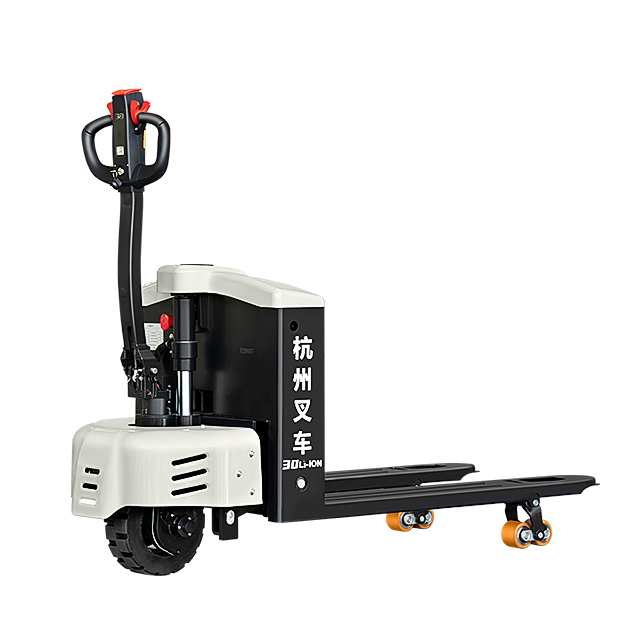
Walking through the plant floor, you see steel coils entering at one end and complete chassis rolling out the other. It’s not magic—it’s a meticulously choreographed flow that eliminates waiting, overproduction, and excess movement. Each workstation is positioned so that raw material arrives just in time, and every bend, weld, or bolt is added precisely when needed. The real story isn’t in the machinery, but in the people who redesigned this process from the ground up, questioning every step that didn’t directly create value for the customer.
Behind the seamless line is a deeper principle: making problems visible. When a part doesn’t fit or a tool jams, the entire system pauses until the issue is fixed at its root. That approach might feel counterintuitive in a world that worships speed, but it prevents the compounding waste of rework and hidden defects. Operators have the authority to halt production, and that psychological ownership transforms them from mere laborers into problem-solvers. The chassis that emerges at the end isn’t just a frame—it’s a testament to building quality into the process rather than inspecting it in afterward.
Of course, the transformation from raw coils to a rolling chassis didn’t happen overnight. It started with mapping every step, measuring inventory buffers, and asking “why” relentlessly. Today, the same improvement mindset continues; teams still gather for daily huddles to examine data and test small experiments. The result is a line that breathes—constantly adapting to demand without holding costly stockpiles. Lean isn’t a final destination on the factory floor; it’s an ongoing dialogue between materials, machines, and people intent on delivering precisely what’s needed, when it’s needed.
Eyes Everywhere: How Real-Time Data Redefines Quality Checks
Picture a factory floor where every machine, sensor, and operator feeds into a live stream of information that flags defects the moment they occur. This isn't a distant goal—it's the new baseline for modern manufacturing. By tapping into continuous data flows, quality inspections move from periodic spot checks to a constant, automated vigilance. Tiny deviations in temperature, vibration, or pressure that once went unnoticed now trigger instant alerts, preventing flawed products from ever reaching downstream stages. The shift cuts waste dramatically and builds a culture where excellence is measured in milliseconds, not days.
What transforms this approach is the ability to see patterns that human inspectors might miss. A subtle drift in a spindle's speed on a Thursday afternoon might seem trivial, but when correlated with material lot changes and ambient humidity, it points to an emerging issue weeks before it becomes a warranty claim. Teams no longer react to problems; they anticipate them, using dashboards that turn raw sensor chatter into clear, actionable narratives. The data tells a story, and it's one that empowers floor supervisors to make calls previously reserved for six-figure analysts.
Beyond the machinery, this blanket of real-time insight reshapes how people work together. Engineers share the same living picture as quality teams, breaking down silos that once slowed root-cause investigations to a crawl. Operators gain a sixth sense, trusting the system to catch hidden faults while they focus on subtle improvements. The result is a collective intelligence where quality isn't inspected in—it's embedded in the pulse of production itself.
Greener Gears: Sustainable Shifts in Pallet Jack Production
The hum of a pallet jack gliding across a warehouse floor has long been a soundtrack of industry, but behind that simple motion lies a complex web of materials and manufacturing. Today, a quiet revolution is underway as producers reimagine every component through an ecological lens. From the steel frames to the hydraulic fluids, each element is being scrutinized for its environmental footprint. This shift isn’t just about swapping one material for another; it’s a fundamental rethink of design, durability, and end-of-life recovery. Factories are adopting closed-loop systems where scrap metal from stamping processes gets melted down and reformed on-site, drastically cutting waste. Even the paint booths have been overhauled, switching to powder coatings that emit negligible volatile organic compounds compared to traditional solvent-based finishes.
Energy consumption in pallet jack production is another frontier of change. Historically, forging and welding components demanded massive amounts of electricity, often drawn from coal-heavy grids. Now, manufacturers are installing smart sensors that optimize machine idle times and capture kinetic energy from braking tests to feed back into the assembly line. Some facilities have transitioned entirely to renewable sources, with rooftop solar arrays powering laser cutters and robotic arms. Beyond the factory gates, the supply chain is getting leaner: lighter components mean less fuel burned during shipping, and modular designs allow worn parts to be replaced individually rather than discarding the entire unit. It’s a holistic approach that considers the jack’s lifecycle from ore extraction to eventual recycling.
The human element remains central to this green transition. Workers on the floor are being trained not just in operational safety, but in sustainability practices—identifying inefficiencies, sorting materials for easier recycling, and contributing ideas for eco-friendly innovations. Customer demand is accelerating these shifts, as logistics companies seek equipment that aligns with their own carbon-reduction pledges. The result is a new breed of pallet jacks that are lighter yet stronger, easier to repair, and quieter to operate—proof that industrial muscle and environmental mindfulness can move in tandem. This isn’t a fleeting trend; it’s a commitment etched into every gear and weld, reshaping the industry one pallet at a time.
Built to Order: The Art of Agile Manufacturing Without the Wait
In a world where instant gratification often clashes with industrial reality, built-to-order manufacturing has evolved into a masterful dance of precision and speed. Gone are the days when customized meant waiting endlessly; modern agile systems fuse real-time demand signals with modular production cells, allowing each product to take shape only after the order is confirmed. This approach eliminates the guesswork of overproduction and the dead weight of inventory, turning the factory floor into a responsive organism that breathes in customer requirements and exhales finished goods. By decoupling design from physical assembly through digital twins and smart tooling, manufacturers can now pivot from one specification to the next without missing a beat, delivering a bespoke experience that rivals off-the-shelf convenience.
At the heart of this art lies a deliberate simplicity: rather than forcing rigid lines to accommodate every possible variant, agile operations rely on flexible workstations, cross-trained teams, and just-in-time component delivery. Orders flow in and trigger a cascade of automated preparations—laser cutters receive custom profiles, pick-and-place robots fetch unique parts, and assembly guides adapt on the fly through augmented reality. The result is a seamless rhythm where a client’s morning design tweak can be rolling off the line by afternoon, with quality checks embedded at every step rather than bolted on at the end. This fluidity doesn’t just slash lead times; it transforms the very relationship between maker and buyer, fostering a collaborative immediacy that old-school mass production could never sustain.
Perhaps the most overlooked aspect of wait-free custom manufacturing is how it reshapes risk. Instead of betting on forecasts that might never materialize, companies invest in capabilities that can be reconfigured on demand. The digital thread runs from the customer’s initial sketch all the way to the shipping label, ensuring that nothing is built without a home. This lean, pull-based model not only conserves resources but also enables rapid iteration—feedback from one build flows directly into the next, creating a continuous improvement loop that gets sharper with every cycle. Ultimately, built-to-order agility is less about technology for its own sake and more about a philosophy: honor the customer’s time, respect the material, and never make anything that isn’t already wanted.
Beyond the Assembly Line: Forging Tighter Links with Suppliers and Tech
Modern manufacturing no longer ends at the factory door. The assembly line, once the heartbeat of production, now pulses in sync with a vast network of external partners. Real innovation happens when engineers co-design components with suppliers in real time, sharing data models and material specs before a single machine tool is powered on. It’s a shift from transactional ordering to a continuous dialogue—one where a supplier’s suggestion might alter a product’s entire cost structure or unlock a performance leap no internal team had envisioned.
Technology weaves this tighter fabric. Cloud platforms let a factory floor see into a supplier’s inventory as easily as its own, while shared analytics predict disruptions before they cascade. The goal isn’t just efficiency; it’s resilience rooted in mutual dependence. When a startup’s sensor innovation gets tested on a pilot line overnight, the boundary between “inside” and “outside” blurs, and the assembly line becomes just one node in a living ecosystem that stretches from raw materials to end-user feedback.
FAQ
Laser cutting and robotic welding now handle frame construction with extreme precision, while automated powder coating lines apply finishes more evenly than any manual method ever could.
Sensors embedded in assembly stations track every torque value and alignment in real time, flagging deviations before a unit moves to the next stage, which slashes rework rates.
Modular cells let teams reconfigure workflows almost overnight when a new model or custom order comes in, without tearing down entire lines—huge for flexibility with shorter product lifecycles.
It’s mainly used for rapid prototyping of load wheels and handle components, but a few plants now print jigs and even end-use nylon parts that are lighter and quieter than traditional castings.
By feeding historical defect data into machine learning models, we can predict which hydraulic pumps might fail after x cycles and reinforce those specific weak points early in production.
Absolutely. Many have switched to water-based hydraulic fluids, remanufacturing cores for major components, and solar-powered conveyor systems that cut energy use by about thirty percent.
Teaching AGVs to safely navigate around human workers in tight warehouse testing zones took a ton of iterative sensor fusion work—lidar alone wasn’t enough; we had to blend it with vision systems and predictive pathing.
Virtual twin simulations replicate years of load cycles in hours, exposing frame fatigue points early. Physical testing is then reserved for only the most extreme edge cases.
Conclusion
Walking onto a modern pallet jack factory floor, you immediately sense the fusion of brute steel and delicate silicon. Robotic welders and automated guided vehicles glide past with an almost human precision, choreographed by real-time data streams that leave no room for error. It’s not just about replacing muscle with machines—sensors embedded along the lean production line track every rivet and weld, flagging deviations before they become defects. The journey from raw channel iron to a rolling chassis now unfolds with a transparency that old-school clipboard checks could never match, and operators collaborate with smart systems that learn and adjust on the fly.
Yet speed and smarts are only part of the story. There’s a quieter revolution in the way factories handle energy and waste, with regenerative braking test rigs and powder-coating lines that reclaim overspray, shrinking the carbon bootprint of every unit. Agile cells let customers tweak fork lengths or load capacities without the usual lead-time penalty, while cloud-linked suppliers receive automatic restock signals the moment a bin runs low. It’s a tight weave of process, planet, and partnership—where a pallet jack is no longer just a lump of iron, but a product of deeply connected, constantly evolving manufacturing thinking.
Contact Us
Contact Person: Liuxue
Email: [email protected]
Tel/WhatsApp: +86-19084200370
Website: https://www.hf-ec.com/