
Tire Recycling Innovations: Exploring New Types and Sustainable Solutions
2026-04-05
Imagine a world where every discarded tire finds new life, not as waste, but as a resource for innovation. With millions of tires reaching their end-of-life each year, the challenge of recycling them sustainably has never been more pressing. From the development of cutting-edge tire-derived materials to eco-friendly processing techniques, the journey toward greener solutions is reshaping industries and protecting our planet. At the forefront of this transformative movement is Kowloon Machinery, driving progress with advanced technology that turns old tires into valuable commodities. In this blog, we'll dive into the latest breakthroughs in tire recycling, exploring how new types and sustainable approaches are paving the way for a cleaner, more efficient future. Join us as we uncover the innovations that are not just redefining waste—they’re reimagining possibility.
Revolutionary Techniques in Tire Shredding for Enhanced Material Recovery
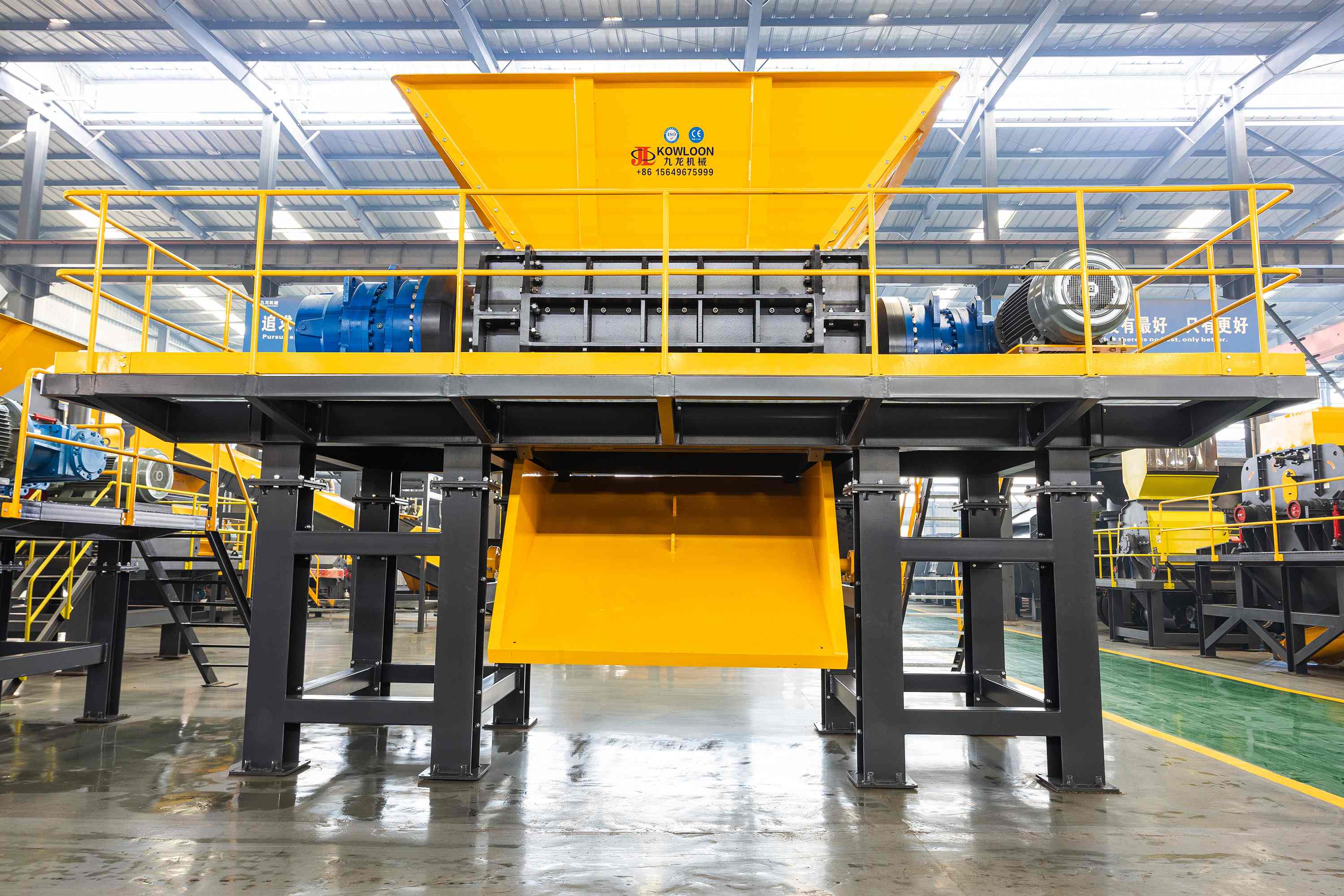
In the tire recycling industry, innovative shredding methods are unlocking higher material recovery rates. By employing advanced mechanical processes, such as cryogenic shredding and high-pressure water jets, tires are broken down more effectively, preserving valuable components like rubber and steel. This not only reduces waste but also yields cleaner materials for reuse.
Emerging technologies, including precision-cutting machinery and AI-driven sorting systems, further fine-tune the shredding process. These systems optimize the separation of materials, enhancing the quality of recovered rubber for applications like playground surfaces or asphalt additives. The result is a more sustainable cycle that benefits both the environment and the economy.
As these techniques evolve, they pave the way for increased efficiency and cost savings. By minimizing contamination and maximizing output, the industry is moving towards a future where nearly all tire materials find a second life, supporting global efforts in waste reduction and resource conservation.
Transforming Waste into Valuable Resources with Pyrolysis and Devulcanization
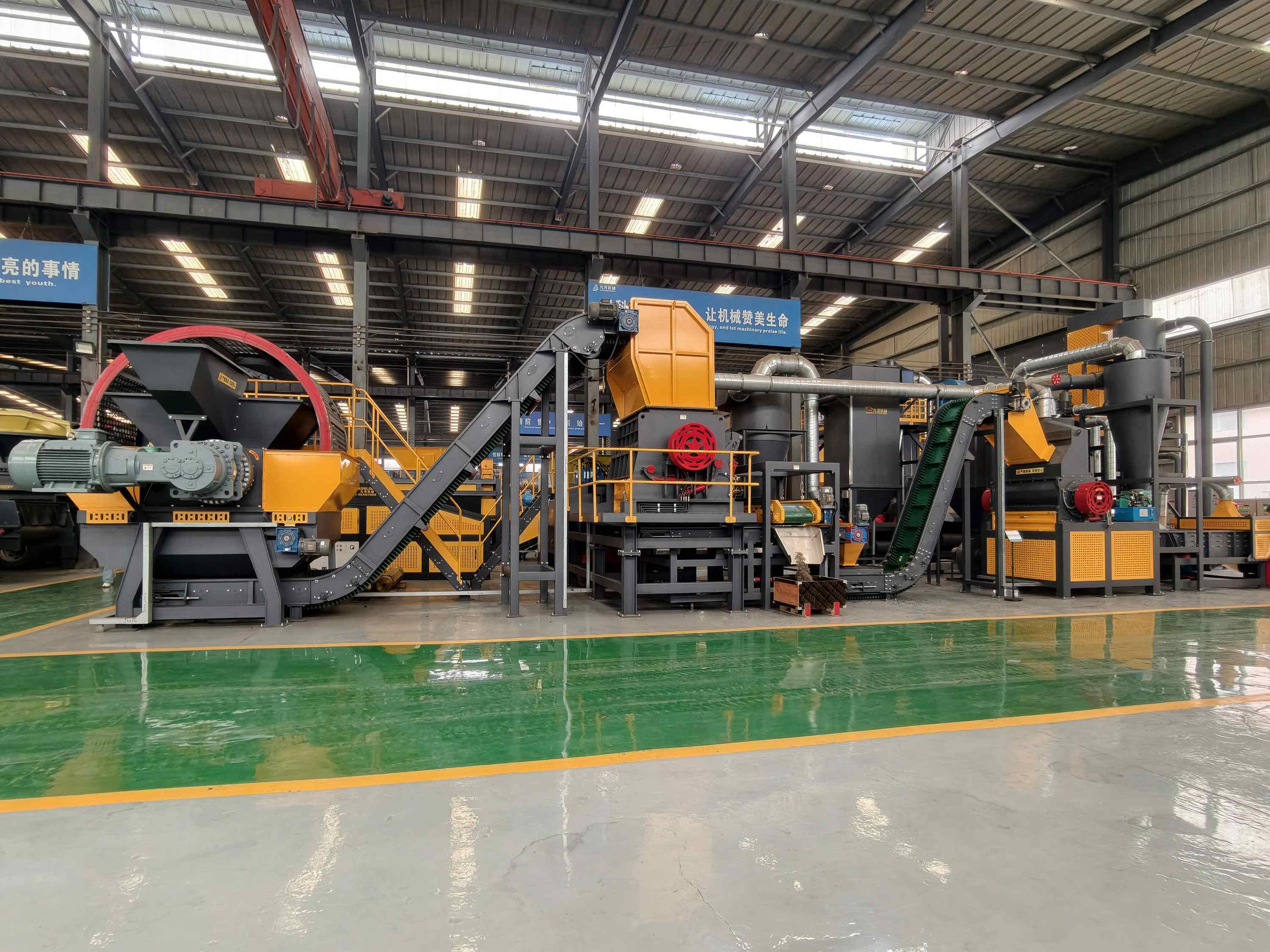
In the quest to reduce environmental impact, pyrolysis and devulcanization stand out as innovative technologies that turn waste materials into useful commodities. Pyrolysis involves heating organic waste, such as plastics or tires, in the absence of oxygen, breaking them down into valuable products like oil, gas, and carbon char. This process not only diverts waste from landfills but also generates alternative fuels and raw materials for various industries, offering a sustainable solution to resource scarcity.
Devulcanization, on the other hand, focuses on recycling rubber waste, like used tires, by reversing the vulcanization process that makes rubber durable. Through methods involving heat or chemicals, it restores the rubber's original properties, allowing it to be reused in new products. This technique reduces the demand for virgin rubber and cuts down on waste, supporting circular economy principles and reducing the carbon footprint of rubber-based manufacturing.
Together, pyrolysis and devulcanization showcase how technological advances can transform waste streams into valuable resources. By integrating these methods into waste management systems, we can enhance resource recovery, lower dependency on non-renewable materials, and foster a greener economy. Their application demonstrates a practical path toward sustainability, turning challenges into opportunities for innovation and environmental stewardship.
Green Applications: How Recycled Rubber Powers Sustainable Infrastructure
Recycled rubber is making waves in sustainable infrastructure by transforming waste tires into versatile materials that enhance durability and reduce environmental impact. Imagine roads that last longer with less cracking, thanks to rubber-modified asphalt—a blend that not only handles extreme temperatures better but also dampens traffic noise, creating quieter urban environments. From playground surfaces that cushion falls to athletic tracks that provide better traction, these innovations turn discarded rubber into valuable assets. It's a clever loop where old tires find new life, cutting down landfill waste and conserving natural resources, all while building resilient communities.
Beyond conventional uses, recycled rubber is pushing boundaries in modern construction, offering lightweight and flexible solutions for seismic zones and coastal areas. Think of rubber-infused concrete that shrugs off wear and tear, or erosion-control mats that protect shorelines naturally. This material's adaptability shines in projects like green roofs that insulate buildings and manage stormwater, blending functionality with eco-friendliness. By reinforcing infrastructure against climate stresses and reducing energy demands, recycled rubber is quietly crafting a future where sustainability and innovation walk hand-in-hand.
What truly sets recycled rubber apart is its role in sparking circular economy initiatives, where every repurposed tire tells a story of resource efficiency. Communities worldwide are embracing this trend, incorporating rubber into everything from railway sleepers to sound barriers, proving that sustainability can be both practical and innovative. This isn't just about recycling; it's a shift towards smarter materials that promise longer-lasting, cost-effective infrastructure. As we build for tomorrow, recycled rubber stands as a testament to how creativity can turn environmental challenges into opportunities for growth and resilience.
Cutting-Edge Rubber Crumb Innovations for Sports and Playground Surfaces
Recent advancements in rubber crumb technology are game-changers for sports and playground surfaces, delivering remarkable performance and sustainability. The latest innovations focus on enhanced cushioning systems that dramatically reduce impact forces, helping to lower injury risks in high-activity areas. These new materials also offer superior traction and weather resistance, ensuring durability across various climates and seasons.
Beyond basic safety, new rubber crumb formulations allow for vibrant color retention and creative design flexibility, making playgrounds more engaging while maintaining eco-friendly benefits. Innovations in recycling processes contribute to reduced waste and a smaller environmental footprint, supporting greener construction practices.
Additionally, advancements in surface engineering provide customizable firmness levels and improved drainage, enhancing playability and usability in diverse settings. These cutting-edge solutions blend safety, aesthetics, and sustainability, elevating standards for sports and recreational spaces.
Economic and Environmental Benefits of Advanced Tire Recycling Systems
Advanced tire recycling systems provide significant economic advantages by converting waste tires into valuable resources. This process reduces disposal costs for municipalities and businesses while creating new revenue streams through the sale of recycled materials like rubber crumb, steel, and carbon black. For instance, industries can use these materials in construction, automotive parts, and playground surfaces, fostering job creation and boosting local economies.
On the environmental front, these systems help mitigate pollution by diverting tires from landfills, where they pose fire risks and leach harmful chemicals. By reusing materials, advanced recycling also conserves natural resources and lowers greenhouse gas emissions compared to producing new rubber or disposing of tires through incineration. This contributes to cleaner air and water, supporting broader sustainability goals in communities worldwide.
Moreover, the integration of innovative technologies, such as cryogenic or pyrolysis methods, enhances efficiency and reduces energy consumption in the recycling process. This not only cuts operational costs but also minimizes the carbon footprint, making these systems a practical solution for balancing economic growth with environmental stewardship in today's industries.
Future Trends: Biodegradable Alternatives and Circular Economy Integration
In the realm of sustainable development, the push towards biodegradable alternatives is gaining momentum as a key strategy to combat plastic pollution and reduce waste. Companies are increasingly investing in materials derived from plant-based sources, such as cornstarch and algae, which break down naturally in the environment without leaving harmful residues. This shift not only addresses the mounting global waste crisis but also opens up new markets, fostering innovation in packaging, textiles, and consumer goods. Beyond mere decomposition, these alternatives often boast comparable durability and functionality to traditional plastics, making them viable for a wide range of applications.
Simultaneously, the integration of the circular economy is transforming how industries approach resource use, moving away from the linear take-make-dispose model. By designing products for longevity, reuse, and eventual recycling, businesses are creating closed-loop systems that minimize environmental impact. This trend involves rethinking supply chains to incorporate regenerative materials, such as biodegradable polymers that can be composted back into soil, thus completing the cycle. Partnerships between manufacturers, recyclers, and consumers are crucial here, enabling seamless transitions where waste becomes a valuable input for new products, thereby reducing reliance on finite resources.
Looking ahead, the synergy between biodegradable alternatives and circular economy principles promises a more resilient and eco-friendly future. As regulatory pressures mount and consumer awareness grows, industries are likely to adopt hybrid approaches that blend biodegradability with circular strategies—for instance, using biodegradable packaging that’s also easily recyclable in local facilities. This dual focus not only mitigates pollution but also drives economic growth through job creation in green technologies and waste management sectors. Ultimately, embracing these trends signals a fundamental shift towards sustainability, where environmental stewardship and business success are no longer mutually exclusive but intertwined in a holistic vision.
FAQ
The article highlights new methods like pyrolysis for converting tires into fuels, advanced shredding techniques for material recovery, and the development of rubber-modified asphalt for construction.
These solutions focus on reducing landfill waste and energy consumption; for instance, using recycled rubber in playground surfaces helps prevent pollution and conserves resources.
Examples include eco-friendly flooring made from crumb rubber, durable athletic tracks, and innovative insulation materials for buildings.
Main challenges include high initial costs for new technologies, regulatory hurdles, and ensuring the quality and safety of recycled materials for various applications.
By transforming waste tires into reusable products, they minimize raw material extraction and promote closed-loop systems, enhancing overall sustainability.
Technologies like microwave-assisted pyrolysis and biotechnology for breaking down rubber components show promise for increasing efficiency and reducing environmental impact.
They collaborate through funding research, setting recycling targets, and creating incentives to adopt new methods, driving innovation and adoption in the market.
By properly disposing of old tires at certified recycling centers, choosing products made from recycled rubber, and advocating for eco-friendly practices in their communities.
Conclusion
Tire recycling innovations are transforming a significant environmental challenge into a resource-rich opportunity, driven by revolutionary techniques and sustainable solutions. Enhanced material recovery through advanced shredding processes, combined with pyrolysis and devulcanization, efficiently converts waste tires into valuable products like rubber crumb, oil, and carbon black. These methods not only reduce landfill burdens but also support a circular economy, minimizing the need for virgin materials. Moreover, recycled rubber is increasingly applied in sustainable infrastructure, such as road construction and erosion control, showcasing its durability and environmental benefits. As technology progresses, the integration of biodegradable alternatives and economic incentives further amplifies the positive impact, making tire recycling a key player in global sustainability efforts.
Future trends highlight cutting-edge innovations, particularly in sports and playground surfaces, where rubber crumb provides safe, resilient, and eco-friendly options. Beyond these applications, the economic and environmental advantages of advanced recycling systems—including cost savings, job creation, and reduced carbon emissions—underscore their viability. By exploring new types of recycled materials and fostering circular economy integration, the industry is poised for continued growth. This comprehensive approach not only addresses waste management but also fuels green industries, demonstrating how tire recycling can power a more sustainable future through innovation and collaboration.
Contact Us
Contact Person: Ray
Email: [email protected]
Tel/WhatsApp: +86 13733817580
Website: https://www.zzkowloon.com/