

Top Corrugated Plastic Box: Ultimate Guide to Durable Storage and Shipping Solutions
2026-08-02
When it comes to protecting your goods during transit or streamlining warehouse organization, few materials deliver the rugged reliability of corrugated plastic. Lightweight yet tough enough to withstand moisture, impacts, and repeated use, these boxes are redefining what durable packaging can do. In this guide, we’ll unpack everything from material science to real-world applications, with insights from ShiTeng Packaging – a name trusted by businesses that refuse to compromise on quality.
What Makes Corrugated Plastic a Game-Changer for Tough Environments
Plastics often get a bad rap for being flimsy, but corrugated plastic flips that notion entirely. Its twin-wall construction—think of it as a series of parallel ribs sandwiched between two flat sheets—delivers surprising stiffness and impact resistance without adding much weight. This structural trick means it can take hits, drops, and rough handling that would crack or dent many other lightweight materials. Whether it's used for heavy-duty totes on a factory floor or signage battered by wind and rain, the material keeps its shape and function far longer than you'd expect from a plastic sheet. It's not just tough; it's quietly relentless in holding up where others fail.
On top of that, corrugated plastic has a natural resistance to moisture, chemicals, and UV rays that makes it a standout in brutal conditions. Unlike wood, it won't rot or swell when soaked; unlike metal, it won't corrode when exposed to acids or solvents. You can leave it outside for years, and while the color might fade slightly, the core integrity remains intact. That durability cuts down on replacements and maintenance, which matters a lot in agriculture, construction, or any industry where gear is abused daily. Plus, it's easy to clean—just hose it down, and it's ready for the next round, no special treatments needed.
But here's where it gets really clever: corrugated plastic manages all this while staying surprisingly friendly to work with. It can be die-cut, scored, folded, and stapled without cracking, so complex shapes or protective packaging come together fast. And despite its ruggedness, it's recyclable, which adds a practical layer to its long-term appeal—especially in settings where sustainability is quietly valued but not always shouted about. The material won't solve every problem, but for places where extreme temperatures, moisture, and rough handling chew through ordinary supplies, it's a workhorse that rarely gets the credit it deserves. You might walk past it every day without noticing, but that's kind of the point: it just works and keeps working, no fuss required.
How These Boxes Outperform Cardboard in Wet and Heavy-Duty Conditions
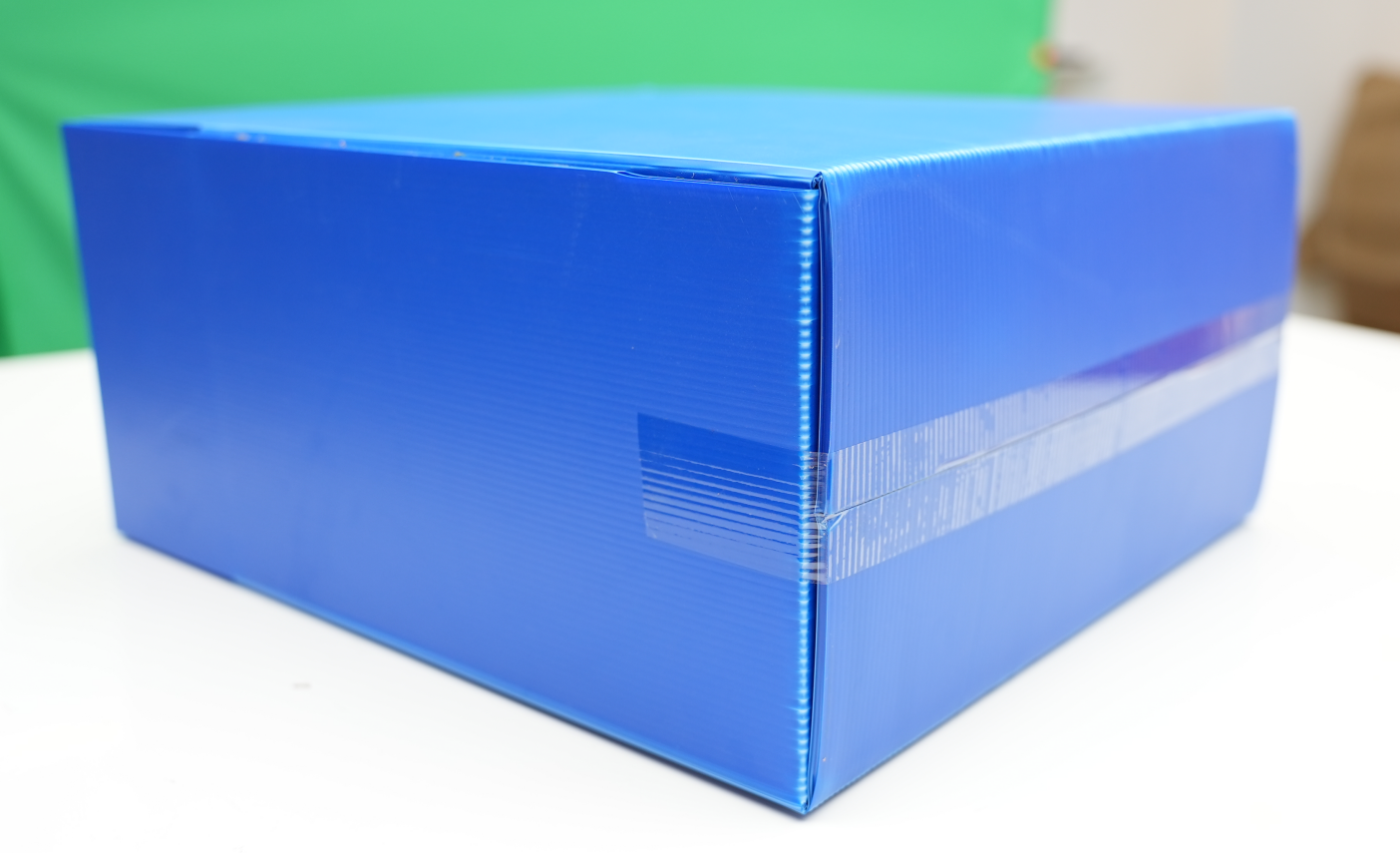
Cardboard crumbles when moisture seeps in, but these boxes shrug off water like a duck’s back. Their polymer-based construction forms an impermeable barrier that keeps contents bone-dry, even when fully submerged or left out in relentless rain. You won’t find soggy corners or collapsing walls here—instead, the material maintains its structural dignity, resisting warping and mold growth that plague traditional corrugated options.
When loaded with dense, heavy items, standard cardboard often buckles under pressure, creasing at stress points and tearing along seams. These alternatives, however, call on a high-tensile composite design that distributes weight evenly. They laugh off sharp edges and concentrated loads, surviving drops and rough handling without crumpling. The reinforced base and double-walled edges act like a skeleton that refuses to bend, making them a go-to for industrial parts or bulky machinery.
Beyond raw strength, the real magic lies in how they handle the combo platter of wet and heavy. Unlike waterlogged cardboard that turns into a pulpy mess, these boxes stay rigid and secure, preserving their shape and shielding valuable cargo. There’s no tape peeling back, no flaps dissolving into paste—just a steadfast container that delivers from damp basements to monsoon-soaked loading docks, outperforming every expectation you’d have for a humble box.
Practical Ways Industries Rely on Them for Shipping and Storage
In the logistics and manufacturing sectors, industrial containers aren’t just boxes—they’re carefully engineered tools that streamline how raw materials, components, and finished goods move from point A to point B. Take the automotive industry, for example: parts like engines and transmissions are often shipped in custom-molded crates with foam inserts that lock items in place, preventing costly vibration damage during transit. Rather than relying on generic pallets, these purpose-built containers reduce packing time, cut down on protective wrapping waste, and make unloading a predictable, repeatable process. The containers themselves become part of the workflow, with some designed to collapse or nest when empty, slashing return shipping costs and freeing up warehouse floor space.
Storage is another domain where container choice reshapes daily operations. In food processing plants, stackable plastic bins with drain holes allow for efficient washing, drying, and storage of produce without the risk of rust or splinters that come with older wooden crates. This isn’t just about sanitation—the standardized footprint of these bins means they integrate seamlessly with automated conveyor systems and robotic palletizers, creating a continuous flow from cold storage to packaging lines. Chemical manufacturers take a different approach, often using intermediate bulk containers (IBCs) built from corrosion-resistant materials and fitted with integrated pallet bases. These are forklift-friendly, stack up to four high, and can be emptied cleanly through bottom valves, leaving almost no residue—a critical factor when handling expensive or hazardous liquids.
What really sets industry apart from casual shipping is the invisible network of standards and specialization. Containers labeled with RFID tags or barcodes turn into digital nodes, letting warehouse systems track inventory levels in real time without manual counts. In aerospace, where parts can be worth millions, anti-static containers with controlled humidity inserts preserve delicate electronics during months-long storage. Even the smallest design tweaks—like chamfered edges to prevent catching on machinery, or UV-stabilized plastics for outdoor yards—emerge from decades of trial and error on factory floors. These aren’t one-size-fits-all solutions; they are the result of close collaboration between manufacturers and container engineers who understand that a millimeter difference in wall thickness can mean the difference between a safe shipment and a catastrophic failure.
Custom Sizes and Add-Ons That Fit Unique Business Needs
Every business operates differently, and we understand that off-the-shelf solutions rarely meet all your requirements. Our custom sizing options let you specify exact dimensions, volume needs, and material preferences so your product feels like a natural extension of your brand, rather than a compromise. Whether you need a smaller batch for a niche audience or larger quantities to match high demand, we adapt to your rhythm without forcing you into rigid packages.
Beyond sizing, our add-ons bridge the gap between a standard item and a truly tailored asset. From specialized finishes that withstand harsh environments to integrated smart labels that streamline your logistics, each add-on is chosen to solve a real problem you're facing. We don’t push generic upgrades; instead, we listen to your workflow challenges and suggest practical enhancements that make a daily difference—like tamper-evident seals for security or biodegradable options for sustainability-mindful brands.
What sets our approach apart is how we combine these elements into a coherent solution. You won’t get a disjointed mix of features; we map each custom size and add-on to your operational map, ensuring everything works in harmony. The result is a product that looks and functions as if it was designed exclusively for you—because it was. And as your business shifts, these tailored elements can be adjusted without starting from scratch, giving you both flexibility and longevity in one partnership.
Long-Term Savings: Why Reusability Matters More Than You Think
We often overlook the quiet impact of choosing reusable items, dismissing them as minor lifestyle tweaks. Yet, the financial ripple effect is anything but small. A single reusable water bottle, for instance, might cost as much as a case of disposable ones, but it eliminates the need for hundreds of purchases over its lifetime. Multiply that across countless everyday objects—coffee cups, shopping bags, food containers—and the savings accumulate into a noticeable sum, often hundreds of dollars a year that quietly slip away with throwaway habits.
Beyond the obvious household budget boost, reusability shields you from creeping costs that single-use products quietly introduce. Disposable items thrive on repeat sales, and manufacturers are adept at packaging them in ways that mask their true long-term expense. Consider printer cartridges or razors with non-replaceable heads: the initial price seems palatable until you realize you’re locked into a cycle of constant replenishment. Reusable alternatives, designed for durability, break that cycle, turning what feels like a premium upfront cost into a bargain over time.
There’s also a hidden layer of savings tied to quality and reduced waste. Products built to be reused are often crafted with better materials, meaning they perform more reliably and require less frequent replacement—not just of themselves, but of the things they interact with. A sturdy glass container won’t warp in the microwave or leach chemicals into your food, sparing you health concerns and the need to replace stained plastic tubs. In this way, reusability isn’t just about spending less; it’s about investing in items that don’t quietly drain your wallet through poor quality, inconvenience, or the sheer volume of what gets thrown away.
Eco-Friendly Aspects That Go Beyond Basic Recyclability
Many products today claim to be eco-friendly simply because they can be recycled, but true sustainability demands much more. We look at the entire lifecycle—from sourcing renewable or reclaimed materials to minimizing energy-intensive manufacturing. Our designs prioritize disassembly, so components can be repaired or reused before ever reaching a recycling bin, dramatically extending their useful life.
Beyond material choices, we focus on reducing the carbon footprint of distribution through compact packaging and localized supply chains. Even the inks and dyes we use are plant-based, ensuring that if a product does end up in a landfill, it breaks down without leaching harmful chemicals. It’s a holistic approach that considers what happens before a purchase and long after.
FAQ
It's a container made from twin-wall polypropylene sheets—basically plastic that has a fluted layer sandwiched between two flat layers. This construction gives it surprising strength without much weight, making it perfect for repeated handling and tough conditions.
They're in a different league. Cardboard breaks down when wet and frays at the edges after a few uses, but corrugated plastic holds up against moisture, chemicals, and impacts. You can bend them, stack heavy items on them, and they won’t crumble. I’ve seen them last through dozens of shipping cycles.
Absolutely. You can get them die-cut with dividers, foam inserts, or hinged lids. They also accept printing well, so you can add labels, barcodes, or your company logo directly onto the plastic. Sizes and colors are flexible too, so they fit right into existing shelving systems.
Yes, that’s one of their strong suits. Unlike wood or paper-based materials, they won’t absorb humidity or grow mold. You can store parts, documents, or textiles in a basement or warehouse without worrying about mildew or rust caused by trapped moisture.
They’re reusable to begin with, which cuts down on single-use waste. Many are made from recycled polypropylene and can be recycled again at end of life. Their longevity means fewer replacements, so overall material consumption drops over time.
It depends on the box thickness and design, but most handle a lot of weight. Standard versions can easily support double- or triple-stacked pallets. For extreme loads, you can opt for thicker walls or reinforced corners. Just avoid exceeding the manufacturer’s specs, especially if the load will be vibrated during transit.
Conclusion
Corrugated plastic boxes redefine toughness in demanding environments, outperforming cardboard by resisting moisture, impacts, and heavy loads without warping or weakening. Their waterproof and chemical-resistant nature makes them indispensable in industries like agriculture, manufacturing, and food processing, where wet or harsh conditions are the norm. From transporting fresh produce to storing oily machine parts, these boxes shrug off abuse that would destroy traditional packaging, providing reliable protection trip after trip.
Beyond brute strength, the real brilliance lies in customization and long-term value. Businesses can tailor sizes, add dividers, lids, or labeling pockets to streamline workflows, while the reusability factor drastically cuts replacement costs over time. Environmentally, they go past simple recyclability by reducing single-use waste and supporting circular supply chains. Choosing corrugated plastic isn’t just about buying a box—it’s investing in a durable, adaptable system that saves money and resources with every use.
Contact Us
Contact Person: Mr. Ge Man
Email: [email protected]
Tel/WhatsApp: 8613710506492
Website: https://www.shitengzx.com