

Top Power Transmission Tension Tower Solutions for Modern Grid Infrastructure
2026-06-20
Modern power grids demand infrastructure that can handle increasing loads, extreme weather, and evolving terrain. Tension towers are the backbone of long-distance transmission, and getting them right means fewer outages and lower maintenance. If you’re planning a grid upgrade, the choice of tower design directly impacts reliability and cost. At Anbang, we’ve engineered a range of tension tower solutions that combine robust structural performance with adaptability for today’s complex projects. From dead-end configurations to angle towers, our designs draw on decades of field experience, yet they’re optimized for the unique challenges you face—whether it’s icing, high winds, or restricted corridors. Curious about what sets advanced tension towers apart? Let’s explore the key solutions that are reshaping grid infrastructure.
Innovative Composite Materials Enhancing Tower Longevity
Modern towers face harsh environmental conditions that accelerate material degradation. Composite materials, such as fiber-reinforced polymers, are transforming tower design by offering exceptional resistance to corrosion and fatigue. Unlike traditional steel, these materials do not rust and maintain structural integrity over decades without extensive maintenance. Their lightweight nature also simplifies installation and reduces foundational loads, making them an attractive choice for remote or offshore applications.
Another key advantage is the versatility of composites in withstanding dynamic loads from wind and seismic activity. By tailoring fiber orientations and resin systems, engineers can create structures that absorb and dissipate energy more effectively than conventional materials. This adaptability not only extends the tower's service life but also improves safety under extreme conditions. Field studies show that composite towers require significantly less repair over a 30-year lifecycle, cutting long-term operational costs.
Recent advancements in nanocomposites and hybrid material systems are pushing longevity even further. Incorporating carbon nanotubes or graphene into the matrix enhances crack resistance and self-healing properties, delaying the onset of micro-damage. These innovations mean that towers can now be designed for a lifespan exceeding 50 years with minimal intervention, redefining standards for sustainable infrastructure in challenging climates.
Aerodynamic Design Principles for Wind-Resistant Structures
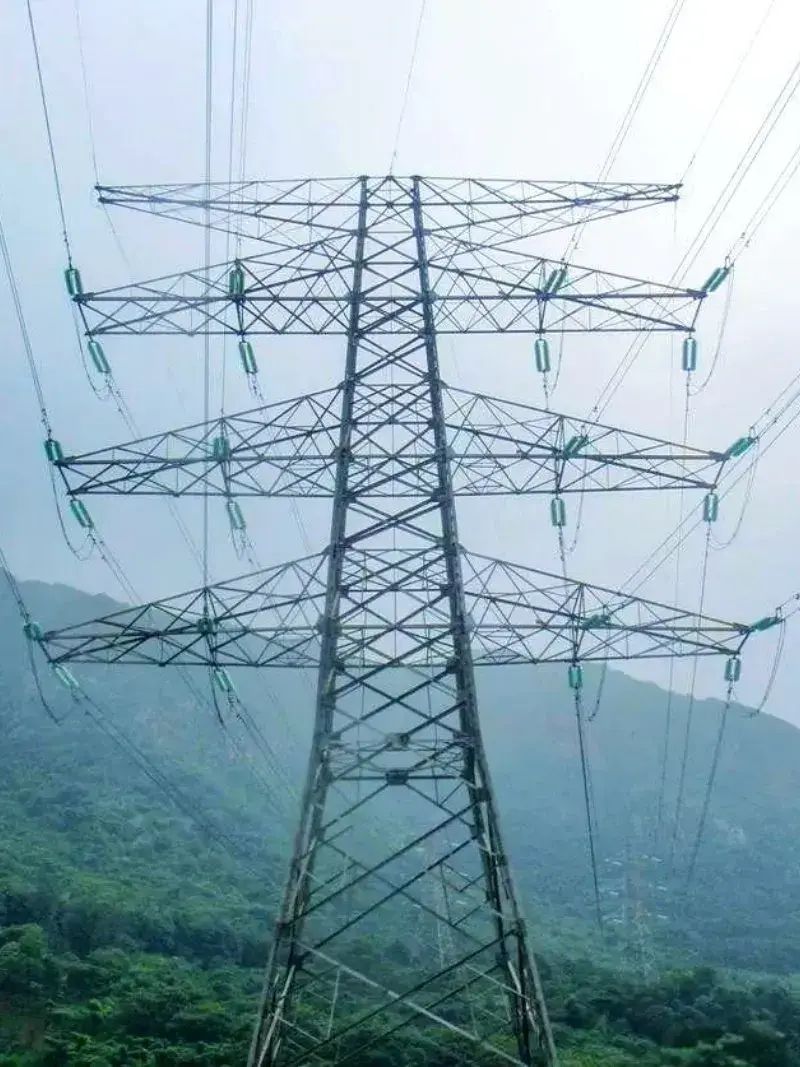
Crafting structures that stand firm against powerful winds begins with a deep understanding of how air flows around and interacts with building forms. Rather than simply resisting wind forces through brute strength, aerodynamic design aims to manipulate the wind's path, reducing pressure differentials that lead to destructive oscillations. By softening sharp edges, introducing tapered profiles, or incorporating rounded corners, engineers can coax the wind to slip past a structure with less turbulence and lower peak loads. This approach transforms the building itself into a mediator, channeling gusts in ways that minimize suction and vortex shedding—the rhythmic forces that often trigger fatigue and collapse.
The shape of a tall tower or long‑span bridge is rarely just an aesthetic statement; it is a deliberate response to the invisible choreography of fluid dynamics. Even subtle modifications—like twisting a skyscraper's geometry along its height or adding small fins and spoilers—can disrupt the organized eddies that would otherwise lock onto a resonance frequency of the structure. Wind‑tunnel testing and computational fluid dynamics have shown that a structure’s surface texture and cross‑sectional evolution are as critical as its overall silhouette. Rough or porous facades, for instance, can break up the boundary layer and delay flow separation, shrinking the wake region behind the building and thereby slashing the across‑wind response that makes occupants uncomfortable and strains the framework.
Beyond isolated buildings, aerodynamic principles extend to the urban fabric itself. The placement and porosity of neighboring structures can funnel or diffuse wind, creating canyon effects that amplify local speeds or sheltered zones that calm them. In masterplanning, designers use staggered massing, stepped podiums, and landscaped buffers to steer airflow away from pedestrian areas and vulnerable facades. These strategies rely on the same fundamentals that govern airfoils and race‑car spoilers: managing pressure gradients and controlling the point at which flow detaches. By acknowledging the dynamic, ever‑changing relationship between wind and the built environment, wind‑resistant design becomes not a battle against nature, but a negotiation—a discipline where elegance and resilience reinforce each other.
Modular Assembly Techniques Reducing Construction Time
By shifting a large share of the building process into off-site factories, modular assembly dramatically compresses project timelines. While the site is being excavated and foundations are poured, wall panels, floor cassettes, and even entire room pods are fabricated indoors, away from weather disruptions. This parallel workflow means that once the substructure is ready, the pre-engineered modules can be lifted into place and connected within days, rather than weeks of stick-by-stick construction. The controlled factory environment also allows for tighter tolerances and simultaneous fitting of insulation, wiring, and plumbing, so what arrives on site is already a largely finished assembly.
The time savings extend beyond the initial erection. Because modules are produced to exact specifications, the usual on-site cutting, adjusting, and patching are almost eliminated, cutting down the lag between structural completion and interior finishing. Trades can begin working inside the stacked units immediately after they are weather-sealed, without waiting for the entire building envelope to be completed. Moreover, factory-based quality checks reduce the need for rework that often adds days or weeks to conventional schedules. This streamlined sequence—from manufacturing to rapid installation and faster fit-out—consistently shaves months off traditional construction programs, making modular methods especially valuable where deadlines are tight.
Advanced Vibration Damping Systems for Conductor Stability
Overhead conductors constantly battle wind-induced oscillations that slowly eat away at their structural integrity. The problem isn't new, but the solutions have become far more refined than simply hanging a few weights on the line. Today's damping technologies blend material science with on-site adaptability, targeting specific frequency bands that cause the most fatigue damage. By absorbing and dissipating energy right where it feeds into the conductor, these systems prevent the gradual loosening of clamps and the micro-cracking that leads to catastrophic failure.
One of the less obvious developments has been the use of multi-axis pendulum dampers that respond to galloping not just in the vertical plane but also in torsion. Coupled with viscoelastic gels that stiffen under sudden strain, these units adjust their behavior automatically without sensors or power supplies. They effectively broaden the protection window, handling everything from light breezes to storm-force gusts without needing seasonal retuning.
On bundled conductors, spacer-dampers have moved past being mere separators. They now incorporate carefully calibrated elastomeric hinges and asymmetrical mass distributions that interrupt the energy flow between sub-conductors. Field tests in coastal and mountainous corridors have shown a measurable drop in clamp wear rates, often extending the inspection cycle by several years. What sets the latest designs apart is how they’re tailored to local wind patterns instead of assuming worst-case scenarios from generic standards.
Smart Sensor Integration for Real-Time Structural Health Monitoring
Embedding intelligent sensing networks into civil infrastructure is transforming how we detect and respond to structural anomalies. Modern systems combine fiber optic strain gauges, piezoelectric accelerometers, and wireless communication modules to create a dense mesh of data points. Rather than relying on periodic manual checks, these arrays continuously capture vibrations, temperature shifts, and micro-displacements across bridges, dams, and high-rise buildings, feeding raw data into edge processing units that discern normal aging from early-stage damage.
The real leap comes from on-board analytics that filter out environmental noise and trigger alerts only when patterns deviate from baseline models. A sensor node on a suspension cable, for instance, doesn’t just report strain—it compares current readings against historical load cycles, weather conditions, and known resonance frequencies. This selective, context-aware reporting slashes false positives while preserving battery life, making the network both resilient and low-maintenance over years of operation.
What sets recent deployments apart is the shift toward self-diagnosing materials. Researchers have begun embedding carbon nanotube films directly into concrete, turning the structure itself into a sensing surface that detects crack propagation at the micron scale. By fusing these intrinsic measurements with external sensor data, engineers gain a layered view of structural health—one that captures everything from surface corrosion to deep-seated fatigue, all streamed in real time to monitoring dashboards accessible from anywhere.
Eco-Friendly Coating Solutions Mitigating Corrosion and Wildlife Impact
Protective coatings have long been essential in industrial settings to shield metal structures from corrosion, yet their unintended consequences on wildlife are often overlooked. Traditional coatings can leach toxic substances into soil and water, posing threats to birds, insects, and aquatic life. A growing field of eco-friendly solutions aims to break this cycle by using bio-based resins, non-toxic corrosion inhibitors, and low-VOC formulations that biodegrade without leaving harmful residues. By mimicking natural defense mechanisms found in plants and marine organisms, these coatings create a durable barrier against moisture and oxygen while remaining safe for ecosystems. This dual function transforms them from a passive protective layer into an active contributor to environmental health.
One innovative approach involves encapsulating natural antifoulants within a micro-structured matrix that slowly releases compounds to deter rust and organic growth without broad-spectrum biocides. For instance, coatings infused with tannins from tree bark or chitosan from crustacean shells have shown remarkable ability to chelate metal ions and form protective films under harsh conditions. Unlike conventional paints that crack and flake into microplastics, these alternatives degrade into inert particles that can be safely assimilated by soil microorganisms. Field tests on power line towers and offshore platforms demonstrate that such coatings not only extend maintenance intervals but also reduce the mortality of perching birds and marine fauna, addressing the wildlife impact often neglected in corrosion management.
Yet the real breakthrough lies in tailoring coating chemistries to specific environments, thereby minimizing the ecological footprint from the start. For example, in coastal areas, coatings can incorporate pH-responsive additives that neutralize acid rain components while deterring barnacle settlement without harming larvae. In arid regions where dust and UV radiation accelerate degradation, coatings with self-healing properties derived from plant oils maintain integrity without requiring frequent reapplication. This precision avoids the blanket use of hazardous materials and aligns with circular economy principles by enabling easier recoating or eventual recycling of the substrate. As industries face stricter environmental regulations, adopting such solution-oriented coatings becomes not just a technical upgrade but a strategic move to harmonize infrastructure with surrounding habitats.
FAQ
Engineers focus on mechanical strength to handle conductor tension, wind loads, and ice buildup. Foundation design and tower geometry are tailored to terrain, while right-of-way limitations push for narrower profiles without compromising stability.
Tension towers are built to withstand longitudinal forces from line angles or dead ends, meaning they grip the conductors firmly. Suspension towers mainly support vertical weight, allowing the line to swing freely, so they’re not designed for the same directional pull.
Galvanized steel remains the go-to for its strength-to-cost ratio and corrosion resistance. For areas with extreme corrosion, weathering steel or aluminum alloys are sometimes used, while composite materials are slowly entering the market for weight savings.
Land scarcity drives the need for smaller footprints. These towers use insulated cross-arms or alternative geometries to reduce electrical clearance needs, fitting into tight corridors without extensive land acquisition.
Absolutely. Designs can incorporate reinforced bracing for high winds, thicker ice-load ratings, and specialized foundations for permafrost or seismic zones. Hot-dip galvanizing and paint systems are adapted for coastal salt spray or industrial pollution.
Sensors track structural strain, tilt, and vibration in real time, flagging anomalies before failures occur. Coupled with drone inspections, these systems shift maintenance from scheduled run-throughs to targeted, condition-based intervention.
Heavier and more complex than suspension towers, they require careful staging, crane availability, and precise conductor stringing under tension. This can add days to a segment, especially in remote sites where logistics slow down material delivery.
Yes, water-based zinc-rich primers and low-VOC topcoats are available. Some manufacturers also use thermal diffusion coatings that eliminate heavy metals, reducing environmental impact during both application and end-of-life disposal.
Conclusion
Modern tension towers are shedding their old limitations through engineered materials and smarter design. Composite cross-arms and hybrid structural sections now replace conventional steel in high-stress areas, resisting decades of fatigue without the weight penalty. These innovations work hand in hand with streamlined geometries refined in wind-tunnel testing—angled profiles and rounded edges scatter gusts instead of fighting them, drastically reducing sway and foundation strain. The shift isn't just about endurance; it's changing how quickly towers go up. Prefabricated modules, built to bolt together on site, turn week-long assemblies into single-day operations. Crews lift pre-aligned braces and pinned connections into place without heavy welding gear, trimming labor costs and cutting outage windows on energized lines.
Beyond the structure itself, a suite of adaptive technologies keeps conductors steady and operators informed. Tuned mass dampers and elastomeric couplings absorb aeolian vibrations that once frayed strands over time, preserving line integrity on long river crossings or exposed plains. Fiber-optic sensors embedded at critical nodes feed strain and temperature data to control rooms every few seconds, flagging anomalies before they become failures—no scheduled patrols required. Protecting all this hardware from the elements, nano-ceramic coatings shed ice and repel corrosive salts while ultraviolet-stable topcoats double as wildlife deterrents, guiding birds away from energized parts without bulky add-ons. Together, these threads form a tower fleet that doesn't just carry power but actively manages its own health in some of the harshest environments on the grid.
Contact Us
Contact Person: antor khan
Email: [email protected]
Tel/WhatsApp: 8613863903569
Website: https://www.qdabtower.com/