

Top Yellow Beeswax Supplier Traits That Guarantee Premium Quality
2026-11-16
Not all yellow beeswax is created equal—anyone who's worked with subpar batches knows the frustration of off-color wax or lingering impurities. The difference between a reliable supply chain and a headache often comes down to a few non-negotiable traits. XUSHI has built its reputation by meeting those standards consistently. In this post, we'll unpack the supplier traits that guarantee premium quality.
The Melt Test: Purity That Holds Up Under Heat
When a wax is heated beyond its melting point, the flaws become impossible to hide. A clean melt should stay translucent and even, with no film floating to the surface or sediment settling at the bottom. Lower-grade materials tend to cloud up quickly, release a sharp chemical odor, or leave a dull ring around the edge of the container. Watching how the liquid behaves under sustained heat tells you more than any label claim.
The test itself is straightforward: place a small amount in a clear glass vessel, warm it slowly, and hold it at the target temperature for at least an hour. Pure formulations don't darken or separate. Once cooled, the surface should return to a smooth, uniform finish without cracking or forming a greasy bloom. If you see yellowing, graininess, or residue clinging to the sides, that's a sign the base was cut with fillers or unstable additives.
For candles or cosmetic bases, this kind of heat stability matters because it directly affects burn quality and skin safety. A product that stays intact through repeated heating and cooling cycles shows that the raw ingredients were properly filtered and blended. It's one of the few checks you can do at home that mirrors what happens in real use - no special equipment required beyond a steady hand and some patience.
Color Consistency From First Cut to Final Shipment
Getting color right starts before the first layer is cut. We pull from the same dye lot for all body pieces and keep a physical swatch at each cutting table. When a new roll arrives, it gets checked under both cool white and warm store lighting, not just under the inspection lamp. That early comparison catches the subtle shifts that only show up once sleeves meet side panels.
During production, we don't rely on memory. Every bundle carries a small header card with the approved reference and the exact roll number it came from. If a panel looks off, it's pulled before it reaches the sewing floor. Tailors also work in pairs on contrast seams, so the person joining two colors is checking the match while stitching, not after the garment is already finished.
Before packing, each order is laid out under a daylight-balanced lightbox and checked against the original sample from first cut. Any batch with more than a half-shade drift gets re-cut, not shipped. Then the cartons are lined with a neutral gray tissue to prevent any color transfer during transit. What leaves the factory is what was approved on day one.
No Hidden Paraffin: Aroma Tells the Real Story
Light a candle and the first thing that reaches you isn't the label or the marketing copy—it's the scent. A clean-burning soy or coconut wax releases fragrance slowly, with a softness that lingers close to the wick. Paraffin, on the other hand, often pushes a sharper, almost chemical edge into the room, even when hidden under heavy perfume oils. Your nose can tell the difference before your eyes ever spot an ingredient list.
The real story unfolds after an hour of burning. Pure waxes tend to throw scent in gentle waves, letting individual notes breathe. If a candle smells overwhelmingly strong within minutes or leaves a faint petroleum undertone, that's a tell. No hidden paraffin can mask itself from an attentive sense of smell—aroma reveals what labels sometimes won't.
Low Moisture, Clean Burn, Zero Surface Bloom
Excess moisture in wax tends to hide until the flame finds it, causing sputtering and uneven melt pools. That's why the curing process here is deliberately slow and temperature-stable, pulling residual water out before the candle is ever lit. The result is a wax body that feeds the wick consistently, without the faint hiss or flicker that signals trapped humidity.
A clean burn starts with what isn't in the wax. Instead of relying on additives that mask soot, the blend itself is kept lean: no heavy oils, no filler polymers, nothing that smolders instead of combusting. The flame stays tall and quiet, and the melt pool reaches the glass edge without leaving a dark ring or greasy residue behind.
Surface bloom, that cloudy white film that can appear after temperature swings, is often mistaken for a defect but is really just fat molecules rearranging on the surface. This wax is formulated to resist that crystallization, so even after weeks in storage or a cold delivery truck, the top remains smooth and color-true. Light it once and the surface clears instantly, with no need to buff or warm the candle first.
Hive-Level Traceability Without the Guesswork
When every batch moves through shared facilities, the line between one source and another blurs quickly. Hive-level traceability removes that fog by tying each honey harvest directly to a specific set of hives, their location, and the beekeeper's logs. You see the exact apiary, the collection date, and the extraction lot — no guessing, no averaging across vague regional blends.
The system works because it starts with a simple transfer record at the hive gate. Each frame or super gets a scannable tag that follows the honey through uncapping, spinning, and settling. If a quality issue pops up, you can pull the relevant hive records in minutes and know exactly which colony or field produced the batch. That kind of precision changes how you handle complaints, recalls, and even premium pricing.
Most traceability conversations stop at the drum or the pallet, but hive-level means you walk all the way back to the bees themselves. For buyers who care about floral source veracity, or for labs verifying pesticide residues, the guesswork disappears. You're not telling a story about where the honey might have come from — you're showing the path from a numbered hive box to the jar.
Third-Party Lab Panels, Not In-House Assurances
When a brand leans on third-party lab panels, the results carry a different weight than internal checklists ever could. These independent groups receive samples without the context of in-house priorities, so their readouts reflect what an outsider would find on a random shelf pull. That distance matters because it removes the quiet pressure to make a batch look cleaner than it is.
In-house assurances often live in a loop of familiar protocols and shared assumptions. A third-party panel, by contrast, brings fresh instrumentation and no stake in protecting a release schedule. Their reports list exact levels, flag drift from label claims, and note any contaminant that slips past routine screening. The value isn't in a stamp of approval; it's in the unpolished data a company has to face without a filter.
FAQ
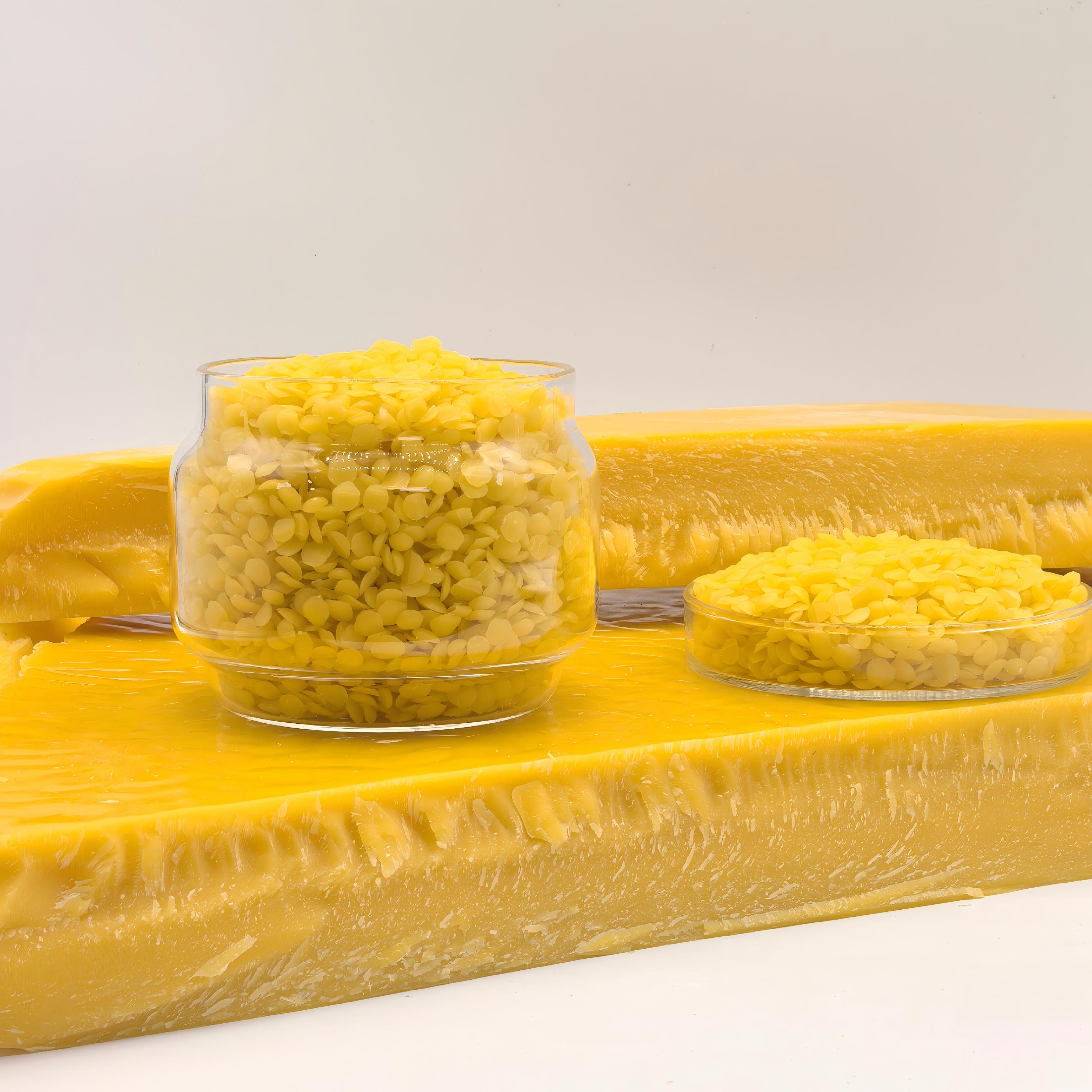
Look for wax that smells faintly of honey and wildflowers, not chemicals. Premium batches are usually filtered without high heat, which keeps the natural pollen-like color and pliable texture intact. Consistent golden shading and a clean break when you chip it also signal careful handling from hive to slab.
Rub a small piece between your fingers. Pure beeswax softens with body heat and develops a subtle tackiness, while paraffin-blended wax feels slippery or greasy. Also check whether the supplier openly states their filtration method—those who mention gentle, low-temperature straining tend to sell the real thing.
Color depends on the flowers the bees foraged and how much pollen remains. Richer buttery yellows often mean lower processing and more natural compounds, but very dark wax can hold extra debris. A reliable supplier will explain seasonal color shifts instead of dyeing every batch to match.
Ask where the hives are located, how often the wax is rendered, and whether they use chemical solvents. A trustworthy supplier will happily share harvest regions, processing temperatures, and the approximate age of the wax. If they dodge those questions, the quality likely is not consistent.
Not always. You are paying for careful sourcing and patience, not just the name. Some mid-sized apiaries produce exceptional wax at fair rates because they control the whole process. Compare texture, aroma, and clarity across samples rather than assuming the most expensive block wins.
Yes, and that is often a good sign. Tiny specks of propolis or the occasional dark fleck show the wax was not over-refined or stripped of its natural character. Top suppliers run the wax through fine mesh, but they do not bleach or chemically polish it into looking synthetic.
Wax should arrive wrapped in food-grade paper or sealed in airtight material, away from direct light and strong odors. Premium suppliers avoid thin plastic bags that can sweat and trap moisture. Fresh, slightly tacky blocks in clean, minimal packaging usually mean the wax was recently poured and stored properly.
Sometimes, but a truly premium supplier often uses one high standard for all their wax. The main difference may be extra filtering for cosmetics to remove visible specks. If a supplier sells a “lower grade” that smells chemical or crumbles, that is a red flag for their overall practices.
Conclusion
A supplier worth keeping skips the shortcuts because yellow beeswax exposes every one of them. Heat a small piece and you learn fast whether it's been stretched with paraffin: pure wax turns to a clear, honey-toned liquid without leaving a greasy film or off-smell, while anything cut with cheap fillers clouds up and stinks. That same honesty shows in the color. From the first block cut in a batch to the last carton shipped weeks later, premium suppliers hold a steady warm yellow without bleaching, dyeing, or blending odd lots. The nose backs it up, too. Real beeswax carries a faint, floral, almost hay-like sweetness, never a sharp chemical or candle-shop perfume scent. If it smells like a budget tea light, that's your clue paraffin is hiding inside.
Beyond looks and scent, the best suppliers obsess over moisture. Damp wax spits, pops, and leaves a chalky bloom on the surface, so top processors dry every slab until the burn is calm and the finish stays clean. They also treat traceability as a working habit, not a marketing line. Each lot can be followed back to specific apiaries or regions, with harvest dates and handling notes attached. And when it comes to purity claims, they don't hand you a self-made certificate. They send samples to independent third-party labs for batch-level panels covering paraffin content, melting point, and moisture. That external check is what turns a supplier's promise into something you can actually rely on when your own product quality is on the line.
Contact Us
Contact Person: Alan Zhu
Email: [email protected]
Tel/WhatsApp: 8613931838766
Website: https://www.cnxushibeeswax.com