

Trimethyl Phosphate Manufacturer Evaluation Tips for Safer Sourcing Decisions
2026-11-18
Choosing the wrong trimethyl phosphate manufacturer can quietly erode product quality, batch consistency, and even your compliance record. Yet many sourcing teams still rely on outdated checklists or price-first comparisons that miss critical safety signals. This guide flips the evaluation process: instead of chasing the lowest quote, you will learn to spot operational red flags, verify handling protocols, and ask questions that reveal long-term reliability. Whether you are qualifying a new supplier or auditing an existing one, a sharper framework helps you avoid costly disruptions. At Fortune, we have seen how structured supplier assessment turns chemical sourcing from a gamble into a controlled decision. Read on for practical tips that make your next trimethyl phosphate sourcing decision safer and more defensible.
Trace the Full Supply Chain Before You Sign Anything
A supplier can look flawless on paper and still hide a mess two tiers down. You need to see beyond the factory that signs the contract. Ask for the names and locations of raw material sources, sub-assembly partners, and any third-party labs involved in testing. If a vendor hesitates to share these details, treat that silence as a signal, not an inconvenience.
Mapping each step matters more than collecting a stack of certificates. Visit the facilities that actually handle your components, speak with the line managers instead of only the sales team, and compare what they claim against shipping records or batch logs. A single missed subcontractor can introduce counterfeit parts, unstable lead times, or compliance failures that surface only after you have committed.
Make the full chain visible before any agreement is signed. Put the right to audit subcontractors into the contract, and require written notice whenever a production step moves to a new location. This turns a vague promise of transparency into a practical check you can act on. The moment you sign without tracing the chain, you inherit every hidden risk that comes with it.
Ask for Batch-Level Purity Data Instead of a Generic Certificate
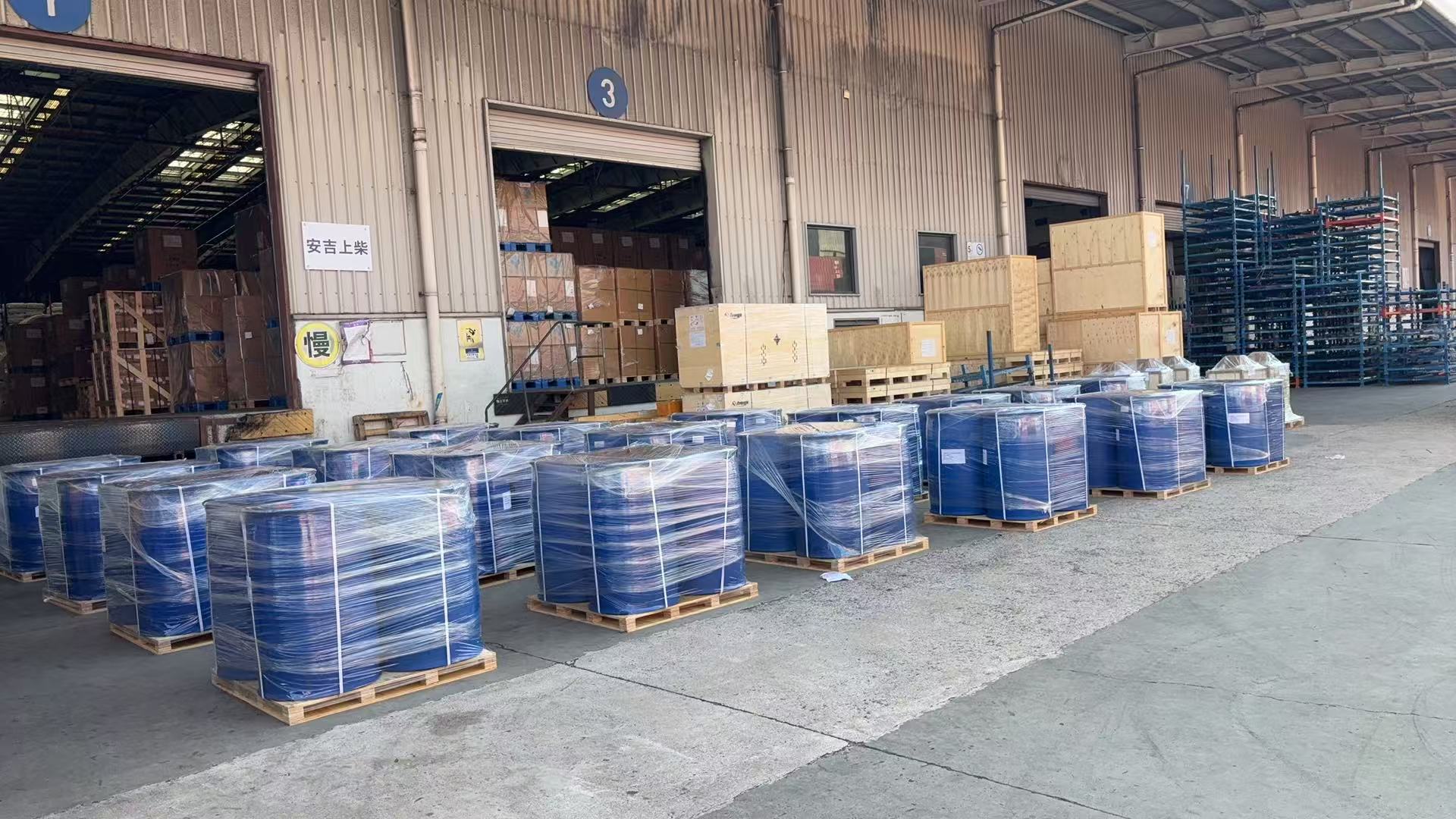
A lot of suppliers will send a certificate that looks official but only contains a typical range or a result from a sample tested months ago. That doesn't tell you anything about the drums that just arrived. If purity affects how your product performs, request data that's tied directly to the lot number on your shipment, not a document that could have been pulled from a shared drive.
What to look for: the batch or lot number should appear on both the report and the container label, and the report should list the actual test date, method reference, and numeric results for assay, heavy metals, residual solvents, and microbial limits. If any of those details are missing, or if the lot number doesn't match, treat it as incomplete documentation rather than a minor oversight.
Suppliers with solid in-house quality control will usually share this without making you chase them. If a vendor keeps offering the same generic certificate and avoids sending batch-level data, that's useful information in itself. It often means they haven't tested that specific batch, or they don't want you to see the results.
Watch How They Handle Phosphorus Oxychloride on the Floor
A small pool of phosphorus oxychloride spreads across the concrete, already fuming where it picks up moisture from the air. The first move is not to reach for a hose. The team seals off the area and opens ventilation, then pours a dry absorbent such as vermiculite or sand over the spill, working from the outside edge toward the center so the liquid does not splash outward.
Once the material is fully covered and the hissing slows, they scoop the waste into a sealed, chemically compatible container and place it under a fume hood. No water touches the floor until test strips show only trace acidity remains. Then a bicarbonate solution is used to wipe down the surface, and the rinse is collected rather than allowed to run into a drain.
Verify Regulatory Standing in Every Market You Serve
Every market carries its own set of licensing rules, registration duties, and reporting obligations. These requirements shift over time, so a status that was valid last quarter may not hold today. Treat verification as an ongoing practice rather than a one-time checklist item. Track local regulatory bodies directly, and keep a dated log of confirmations for each jurisdiction you operate in.
Small differences in terminology can create real exposure. For example, a business license in one country might not cover the same activities as a service permit in another. Where possible, work with local counsel or a qualified compliance partner to interpret current statutes and administrative guidance. Never assume that a parent company's good standing automatically extends to a subsidiary or branch.
When rules change, update your internal records before the next filing cycle begins. Set calendar reminders tied to each market's renewal deadlines, and keep copies of official certificates or registry extracts in a shared, access-controlled location. This not only reduces legal risk but also gives partners and clients confidence that your operations are built on verified authority.
Gauge Responsiveness Before You Actually Need It
Most teams only discover how slow a vendor or internal process is when something breaks, which is the worst time to learn that lesson. A better habit is to send a small, low-stakes request early and watch what happens. Does the reply arrive in minutes, hours, or only after a follow-up? The pattern you see on a quiet Tuesday is usually the same pattern you will get during a launch or outage.
Pay attention to the quality of the response, not just the speed. A quick reply saying we'll look into it means little if no one ever closes the loop. Before you rely on a person, platform, or support channel, give them a reason to respond that requires actual thought. Ask a specific question with a clear deadline and see whether they meet it without being chased.
This also applies to your own systems. Instrument alerts and test escalations while things are still calm. If a notification goes unread for half a day now, it will not magically improve when revenue is on the line. Finding that gap early lets you adjust routing, documentation, or staffing before the pressure arrives.
Calculate Total Cost of Ownership Beyond the First Quote
The sticker price rarely tells you much. A machine that costs less upfront might burn through toner, power, or support hours at a rate that erases the savings within months. Instead of comparing quotes side by side, list every recurring cost tied to the equipment: energy draw under real workload, replacement parts with typical lifespans, service call fees, software licenses, and the time your own staff spends keeping it running.
Those hidden line items compound quickly. A printer with a cheap initial bid can demand proprietary cartridges and frequent drum replacements, while a slightly more expensive unit runs on lower-cost supplies and needs maintenance half as often. The same pattern shows up in software, vehicles, and manufacturing tools. Ask vendors for historical cost data from current customers or run a small pilot before committing.
Make the comparison over a realistic window—three to five years, not twelve months. Include downtime when the asset is out of service and the cost of a backup or workaround. Then divide that total by expected output or hours of use. This gives you a per-unit cost that reflects how the purchase actually behaves, not how it looks on a proposal.
FAQ
Look at how openly they share technical data, whether their production site is clearly described, and how quickly they answer specific questions about impurities. Manufacturers that avoid vague claims and can explain their process controls in plain terms tend to be easier to verify later.
Ask for a recent certificate of analysis, a material safety data sheet that matches the actual product, and evidence of quality system certification. If the product is meant for regulated applications, also request documentation showing the facility has passed a third-party audit within the last two years.
It matters more than a single impressive sample. Request data from several consecutive production lots, not just a hand-picked trial batch. Consistent assay values, low moisture variation, and stable acidity across lots usually indicate stronger process control.
Be careful when a supplier avoids naming the production location, offers unusually low prices without explaining cost drivers, or changes the stated purity after you ask for a specification sheet. Other warning signs include delayed responses only when test results are requested and reluctance to allow a site visit or video tour.
Yes, especially if you cannot visit the plant yourself. A credible third-party audit checks storage conditions, handling procedures, and whether the quality system is actually used on the floor. It can also confirm that the manufacturer is not simply reselling material from an unknown source.
Trimethyl phosphate is moisture-sensitive and needs proper sealing. Ask about drum or IBC lining, nitrogen blanketing if relevant, and how the manufacturer prevents contamination during filling. Also review their loading procedures and whether they monitor temperature or humidity during transit for long-distance shipments.
Request a breakdown of the cost difference, then check whether the producer has backup capacity, a stable raw material supply, and a record of on-time deliveries. A very low price sometimes reflects weaker purification steps or limited inventory, which can become a problem when your demand rises.
Conclusion
Sourcing trimethyl phosphate rarely fails because of price; it fails when buyers accept a polished brochure and a generic CoA without seeing how the material is actually made and moved. Before signing, map every upstream step back to phosphorus oxychloride and methanol handling, because a supplier that cannot explain its raw material trail is already hiding a quality or compliance gap. Then move past the standard certificate and ask for batch-level purity data, residual chloride profiles, moisture limits, and the analytical method used for each lot. That demand alone separates trading agents from manufacturers who control their own process.
On-site behavior matters just as much as paperwork. A plant that handles phosphorus oxychloride with closed transfer systems, visible scrubbers, and honest incident logs is telling you how seriously it treats both safety and batch consistency. At the same time, confirm that the supplier holds current registrations for every market you actually serve, not just the one named on the first email. Test their responsiveness early: ask for a corrected document, a traceability record, or a deviation report, and note whether you get a clear answer or a delayed template. Finally, compare total cost of ownership, including logistics, customs holds, retesting, and repeat audits, because a low initial quote often becomes expensive when a batch fails and the supplier disappears. A disciplined evaluation around these points turns trimethyl phosphate sourcing from a paperwork exercise into a real risk control.
Contact Us
Contact Person: WANG SIHAI
Email: [email protected]
Tel/WhatsApp: +86-13815295628
Website: https://www.fortunechemtech.com/index_en.html