
Why Social Game User Ratings Matter More Than Ever
2026-07-07
In a world where social games thrive on community trust, user ratings have become the invisible hand guiding every download and play session. Yet as platforms crack down on fake reviews and players grow savvier, these scores now hold unprecedented power. At Zonfun, we see how a single star can ripple through player communities, shaping not just perception but actual gameplay dynamics. This blog unpacks why rating authenticity is the new battleground—and what it means for your next game night.
The Silent Power of Player Feedback
Player feedback often works in ways that aren't immediately obvious. It's not just about the loudest voices or the most detailed reports; it's in the subtle patterns that emerge over weeks and months. A slight dip in engagement after a new feature, an unprompted mention of a particular frustration, or even the absence of complaints where you'd expect them—all of these whisper truths about your game's health. The real magic happens when developers learn to listen not just to what is said, but to what is left unsaid.
The most impactful feedback tends to surface when you create spaces for it to breathe. It might be a quiet forum thread that gains traction, a direct message from a long-time player, or a casual conversation during a playtest. Unlike aggregate data, these moments carry emotional weight and context that numbers alone can't convey. They reveal the human experience behind the metrics, offering a compass for design decisions that resonate on a deeper level. Ignoring them means flying blind; embracing them means letting your community co-author the game's evolution.
What makes player feedback truly silent is that its influence often goes unnoticed by those who provide it. Players rarely see how their passing comment might spark a redesign, or how their shared frustration led to a quality-of-life improvement. Yet for those building the game, these voices form a continuous, low-frequency hum that shapes priorities and prevents tunnel vision. It's a dialogue that transforms a product into a living relationship, and when honored, it becomes the foundation for lasting loyalty.
How Ratings Shape Virtual Worlds
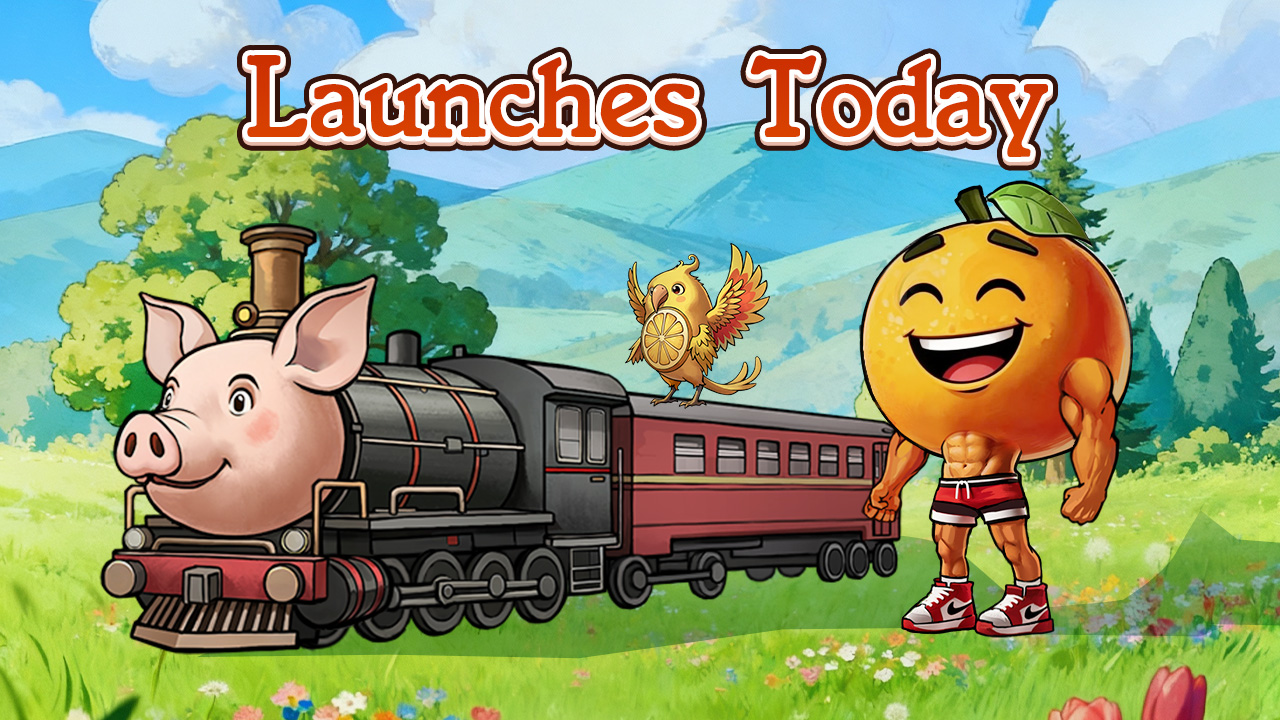
In the sprawling metropolises and quaint villages of virtual realms, ratings function as an invisible hand that quietly sculpts the landscape. Every interaction, from a potion purchase to an epic raid, leaves behind a trail of stars and scores that collectively determine which creators thrive and which fade away. A tailor whose enchanted robes receive consistent five-star praise may suddenly find their shop featured in the main square, while a dungeon designer with lukewarm feedback sees their portals buried beneath the map. This constant valuation doesn’t just influence traffic—it literally reshapes the topography, elevating celebrated spaces and gently submerging those that don’t resonate.
Beyond physical placement, ratings seep into the social fabric, dictating who gets invited to guilds, which voice chats buzz with excitement, and whose events attract a crowd. A high rating can transform a novice builder into a sought-after architect, their name whispered across realms, while a string of low marks can exile even the most experienced player to the periphery. This dynamic creates a living hierarchy where reputation becomes currency, and every vote, whether enthusiastic or dismissive, redraws the invisible boundaries that separate the central plazas from the silent outskirts.
Perhaps most intriguingly, the pursuit of ratings often bends the creative process itself. Builders might trade their wildest visions for the safe, the familiar, the instantly gratifying—knowing that a single poorly received creation could tank their standing. Moderators, sensing the pulse of the crowd, subtly tweak algorithms to spotlight what’s already popular, reinforcing a loop where novelty must battle against the gravity of accumulated acclaim. In this way, virtual worlds don’t just house ratings; they become living organisms that evolve in response to the collective whims, gestures, and clicks of those who inhabit them.
Trust Built on Stars and Reviews
When you're scrolling through options, a collection of genuine stars and detailed reviews does more than catch your eye—it tells a story. Each rating is a quick pulse check, while the written experiences give depth, revealing how a product or service actually fits into real life. It’s this combination that helps you move from curiosity to confidence, without needing to second-guess.
We believe trust shouldn't be blind. That’s why we highlight patterns you’d notice yourself if you spent hours reading: common praises, honest critiques, and how businesses respond when things aren’t perfect. It’s not just about the final score; it’s about showing the full picture so you can make choices that feel right for you.
Over time, this layered feedback becomes a community-driven compass. Newcomers add fresh perspectives while long-time reviewers build a reputation you can lean on. The result is a living, breathing guide—shaped by people, for people—that keeps getting smarter with every shared experience.
From Players to Advocates: The Rating Ripple Effect
When a player leaves a stellar rating, it doesn't just boost a game's visibility—it primes them to become its loudest champion. That five-star tap is a tiny commitment, and once someone publicly endorses something, they tend to dig in their heels. Suddenly, they're not just logging in; they're defending the game in forums, sharing clips, and dragging friends into the fray. It's less about polished marketing and more about that stubborn human need to be consistent—and a little bit right.
Bad ratings work the same cruel magic in reverse. A single frustrating session can tip someone from silent quitter to vocal critic, and that negative energy often ripples further than praise. But here's where it gets interesting: even those rants can spark curiosity in undecided players, triggering a sort of rubbernecking effect that ends up feeding the community anyway. The rating isn't the end of the conversation—it's the start of a messy, organic chain reaction.
Savvy developers don't just watch these waves—they surf them. They jump into threads where a low score is gaining traction, not with canned apologies, but with genuine, weird, human responses. They celebrate their superfans by giving them early access or silly in-game nods, turning passive tappers into active lore-spinners. The goal isn't to silence the noise; it's to hand the mic to the right people and trust that their voices will carry further than any ad ever could.
Decoding the Psychology Behind Every Tap
Every tap on a screen is a small act of intent, driven by a blend of habit, emotion, and expectation. It’s rarely a random gesture—behind each press lies a user’s desire for speed, a craving for simplicity, or even a need for reassurance. When someone opens an app, they’re not just looking for a function; they’re chasing a feeling, whether it’s the relief of a task completed or the rush of a new notification. Understanding these undercurrents means seeing beyond the interface and into the mind’s quiet calculations.
The rhythm of interaction reveals more than we often assume. A hesitant tap might signal confusion, while a rapid sequence of swipes can hint at frustration or urgency. Design choices—placement, color, feedback—act as subtle nudges that either align with a person’s mental model or clash with it. When a button feels intuitive, it’s because it mirrors an internal logic users didn’t even know they had. This silent dialogue between user and device is where engagement is won or lost, often in fractions of a second.
Peeling back the layers, we find that digital habits are stitched into daily rituals. The morning check of a weather app, the mindless scroll through a social feed, the impulsive click on a sale notification—each tap is a thread in a larger tapestry of behavior. By examining these patterns, we start to grasp not just how people use technology, but why they reach for it in the first place. It’s a reminder that behind every metric is a human moment, quietly shaping the next decision before the thumb even moves.
Why Your Game's Reputation Hinges on a Single Score
When a player finishes your game, the first thing they often do is assign a mental score, and that number sticks. Whether it's a star rating, a thumbs-up, or a simple out-of-ten, that single digit becomes the shorthand for their entire experience. It gets shared in reviews, murmured in voice chats, and weighed against every other title they've played. A shaky start or a clumsy mechanic can be forgiven, but if the final impression feels off, that score drops—and with it, the collective perception of what you've built.
Think about the last time you saw a game dragged down by a single, widespread critique. Maybe the ending felt rushed, a core system broke immersion, or the pacing stumbled right when it mattered most. Players rarely remember every detail; they remember the peak and the pit. That one low point can redefine the narrative around your game, turning potential advocates into half-hearted shruggers. You can have gorgeous art and a gripping opening, but a deflating late-game can sour the whole pot.
What makes this so brutal is how hard it is to course-correct once the verdict is out. A score isn't just a number—it's a story people tell themselves about whether your game respected their time. Even with patches and updates, that initial shadow lingers. The memory of frustration, boredom, or letdown shapes word-of-mouth far more than a spreadsheet of fixes. Your reputation isn't built on hours of polished content; it's built on the single, defining moment that makes someone say, "That game? Yeah, I'd give it..." and then fill in the blank.
FAQ
Think of ratings as the digital storefront's curb appeal. In a sea of options, a high star count instantly signals to potential players that a game is worth their time, while a low rating often means they scroll past without a second glance. It's the quickest filter in a crowded market.
Absolutely. When new players see that others are enjoying the experience long-term, it sets a positive expectation. That social proof encourages them to invest more effort and stick around, creating a self-reinforcing loop where engaged players leave better ratings and attract more like-minded users.
The app stores have grown incredibly noisy, and advertising costs keep climbing. Ratings are one of the few organic trust signals left. Players are savvier and more skeptical; they rely on peer opinions over polished marketing, making ratings a make-or-break factor for discovery.
Beyond the obvious drop in downloads, poor ratings can poison the well. They discourage positive players from speaking up, create a defensive atmosphere where every bug is magnified, and make it harder to foster a friendly, cooperative environment that social games thrive on.
They're a direct line to what players really think. Developers mine ratings for patterns—whether it's praise for a new feature or frustration with a balance issue. This feedback loop allows them to pivot quickly, prioritize fixes, and build content that resonates, which in turn improves the game and its rating.
Stars give you the what, but reviews give you the why. A 3-star rating with a thoughtful critique is a goldmine for improvement, while a string of 1-star rants can signal a critical bug. Savvy developers read between the lines to understand the emotions and specific requests driving those numbers.
Conclusion
In the crowded landscape of social games, user ratings have evolved far beyond simple star counts. They represent the silent yet potent voice of the player community—a form of feedback that doesn’t just reflect satisfaction but actively shapes the virtual worlds we inhabit. Every rating is a micro-decision rooted in complex psychology: the thrill of a win, the frustration of a paywall, or the warmth of a social bond. When aggregated, these taps become the backbone of trust, signaling to newcomers whether a game is worth their time. A high rating isn’t merely a badge; it’s a builder of social proof that can turn casual players into passionate advocates. Conversely, a low score can trigger a ripple effect, where one disappointed user influences dozens more, potentially reshaping a game’s community and even forcing developers to rebalance features or address overlooked issues. Ratings, in essence, are the new word-of-mouth, amplified by the global reach of app stores and social media.
This is why a game’s entire reputation can unexpectedly pivot on a single, public score. In the social gaming ecosystem, where virality and network effects drive growth, a star rating acts as a gatekeeper. It’s often the first thing potential players see, and it sets expectations before they’ve even downloaded the game. Developers who ignore this shift do so at their peril; those who embrace it, actively engaging with reviews and incorporating player feedback, turn ratings into a strategic asset. They understand that behind every tap lies a person seeking connection, and meeting that need transforms a silent rater into a vocal advocate. Ultimately, in an era where trust is scarce and attention is fleeting, user ratings have become the most honest broker between a game and its future. They are not just numbers—they are the pulse of the player, the compass of the creator, and the new currency of social gaming success.
Contact Us
Contact Person: Zhixing Zhou
Email: [email protected]
Tel/WhatsApp: +86 13642670015
Website: https://www.mirmzhy.top/yd