

Yushui Village Lijiang Yunnan Trip A Hidden Gem Worth Exploring
2026-11-03
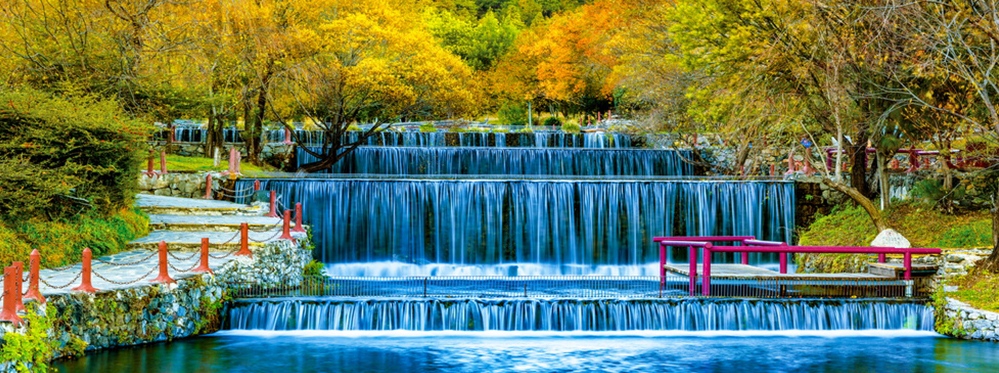
Not far from Lijiang's old quarter, Yushui Village—better known as Jade Water Village—feels like a secret kept by the locals. While tour buses rush to the snow mountain, this quiet spot offers stone bridges, clear springs, and a slower rhythm that most visitors miss. If you're looking for a side of Yunnan that hasn't been polished for the crowds, this is where your detour begins.
The Road That Winds Up Before the Village Appears
The road does not announce the village. It rises through a long curve of chestnut and scrub oak, the asphalt pinched at the edges by weeds that lean in after every rain. For half a mile, there is nothing but the low grind of tires and the occasional rock spitting out from beneath the wheel. Then, without a sign or a clearing, the trees loosen their grip. The road twists once more, tighter than the maps suggest, and the first rooftops break the ridgeline like the spine of an old book.
That last bend is the only threshold that matters. You see the church tower before you hear the dogs, and the dogs before you smell the woodsmoke. Houses seem to step back from the road as if they have been waiting, their shutters half-lidded against the afternoon light. A boy on a rusted bicycle crosses the lane without looking, and behind him the village gathers itself: a bakery door propped open, a stack of empty crates, a stone fountain the color of wet clay.
What stays with you is not the village alone, but how slowly the road gave it over. There was no sudden postcard view, no clean line between here and there. The approach itself became part of the place, so that even after you have left, you remember the bend more vividly than the square it led to.
A Naxi Grandmother’s Hands, Still Weaving at the Loom
In the old town of Lijiang, away from the busiest lanes, a narrow courtyard still holds the steady knock of a wooden loom. The woman at the frame is well past eighty, her fingers knotted from decades of pulling shuttle through warp. Yet they move without hesitation, each pass carrying a memory of patterns her mother taught her before electricity reached the valley. Her hands are dark and cracked, but they read the threads the way a musician reads silence.
The cloth she makes is not for tourists in a hurry. It takes days to set the heddles, weeks to finish a single length if the dye lot is uneven or the weather too damp. She does not count the hours. Instead, she watches the light shift across the loom and adjusts her rhythm to it, as if the afternoon air and the tension of the warp were part of one conversation. Younger relatives sometimes suggest a faster method, but she only smiles and keeps the same pace her grandmother kept.
What survives in her hands is not merely technique. It is a way of staying in one place long enough for a thing to become true. Each finished piece carries the smell of wool, indigo, and woodsmoke from the nearby stove. When she folds it and sets it aside, the creases look like the lines on her palms, as if the loom has been writing her biography one row at a time.
Water Sounds That Follow You From Door to Door
There's a strange kind of plumbing whisper that moves through older houses, a faint trickle that seems to slide from one room to the next as you walk. You hear it behind the bathroom door, then it's near the hallway closet, then it's gone. It's not loud enough to be a leak you can pin down, just enough to make you stop and tilt your head. The sound follows your steps, but not because the water is actually moving with you. Warm pipes expand, cold water rushes into a toilet tank, and the metal or PVC carries those vibrations along the frame of the house. Your ear catches the reflection at different points depending on where you stand.
Sometimes the effect is purely acoustic. A narrow corridor bounces high-frequency dripping off hard surfaces, so a single drip from a bathroom faucet can sound like it's coming from the bedroom door. Walk a few feet, and the sound shifts to another doorway, as if the water is playing a quiet game of hide-and-seek. In older homes, copper pipes run through walls and floors, transmitting not just water flow but the creaks and ticks of pressure changes. A toilet flapper that doesn't seal perfectly can send periodic hisses through the entire upstairs, and the sound seems to travel because the pipes do.
If you've ever lived with this, you know the ritual: checking the shower head, the sink taps, the water heater closet, the outdoor spigot. Sometimes it's a loose washer vibrating, or a water softener cycling at odd hours. But even after you've fixed the obvious culprits, that watery whisper can linger. It's not always a problem to solve. In a quiet house, the sound of water moving behind walls can feel almost companionable, a reminder that the building is alive with its own hidden rivers.
Dongba Symbols Painted on Stones Near the Stream
Along the shallow edge of the stream, smooth grey stones bear faint pictographs—some resembling animals, others abstract swirls and branching lines. These are Dongba symbols, an ancient script once used by the Naxi people of southwest China. Painted with mineral pigments mixed with water, the marks have softened over time but still hold their curves and angles.
The placement near moving water is probably deliberate. In Naxi ritual practice, streams often mark boundaries between the ordinary world and places where spirits linger. A stone painted with a tiger or a cloud might carry a protective or blessing role, its power renewed each time the stream rises after rain. No two stones are identical; each seems to answer the flow beside it in its own way.
Visitors sometimes mistake the faded lines for natural cracks or lichen. But if you kneel and trace the edges with a finger, the shapes become clear—a horse, a tree, a half-open eye. The quietness of the setting makes the symbols feel less like writing and more like a conversation with the landscape itself.
The Taste of Yak Butter Tea Made Over an Open Fire
The first sip arrives with smoke before anything else—a charred, almost leathery note that comes from the blackened kettle hanging over the flames. Then the salt hits, sharper than most newcomers expect, and it pulls the fat of the yak butter into a creamy, coating layer on the tongue. The tea underneath is dark and slightly bitter, but the butter and salt round it out so fully that the bitterness reads more like toasted grain than tannin.
As you keep drinking, the fire's influence stays present without overwhelming the cup. There's a faint sourness at the edges if the milk has started to ferment, which makes the richness feel deeper rather than spoiled. The aftertaste is warm and almost meaty, not from any meat but from the way the smoke, salt, and butter combine. On a cold morning, that lingering film on your lips is the best part—it keeps the heat in and the wind out.
Watching the Last Tour Bus Leave From the Hilltop
The diesel engine coughs once, then settles into a low grumble as the last tour bus pulls away from the gravel lot below. From up here, the vehicle shrinks to a matchbox, its windows catching the low sun in brief, blinding flashes. I watch it trace the switchback road, a slow silver bead threading the dark green hillside, until the trees swallow it whole.
A strange quiet settles over the summit, as if the mountain itself exhales now that the engines and shutter clicks are gone. The guardrail is still warm from all those leaning elbows. A crumpled map rolls lazily in the wind, then catches against a post. Without the crowd, the view feels almost too large, an unbroken sweep of valley and ridge that no longer has to compete with selfie sticks and tour-guide commentary.
I stay longer than I meant to. The light shifts from gold to amber, and the first stars come out above the far peaks. There is no one to remind me the park closes at dusk, no idling engine waiting to take me back. Just the faint echo of that departing bus and the growing sense that the mountain, for now, belongs to no one but the wind.
FAQ
It sits about fifteen kilometers north of the old town, at the foot of Jade Dragon Snow Mountain. A taxi takes around half an hour. If you prefer something cheaper, catch a local bus heading toward Baisha or Yushuizhai and get off at the turnoff, then walk the last stretch. The road winds through farmland, so the approach is part of the experience.
Mostly slow down and look around. There are stone-paved lanes, clear channels of water running beside houses, and a few small workshops where people still make paper or carve simple wooden charms. You can follow the stream up toward the hills for a better view of the mountain, or sit under a walnut tree and watch farmers lead yaks home. It is not about checking off attractions.
Yes, precisely because it offers what those places have mostly lost: everyday village life. Lijiang Old Town is lovely but crowded. Shuhe is quieter but getting busier. Yushui still has the pace of a real settlement, with laundry drying on stone walls and the smell of woodsmoke in the evening.
April to May is ideal, with wildflowers and new green on the terraces. September and October bring crisp light and golden leaves. Summer can be wet but the water channels are full and dramatic. Winter is cold but offers the clearest views of Jade Dragon Snow Mountain, often dusted with fresh snow.
Look for small family-run kitchens rather than formal restaurants. Try jidou liangfen, a cold pea jelly with a sharp, spicy sauce, or a plate of Naxi-style grilled fish seasoned with local herbs. If someone offers you butter tea, accept it—it is salty, warming, and a good excuse to sit and talk for a while.
The village has Naxi and Tibetan cultural roots. Around some courtyards you may see prayer flags or small shrines. Do not step over offerings, and avoid pointing your camera directly at people without a nod or a smile first. A little patience goes a long way; many villagers are happy to explain what they are doing if you show genuine interest.
Overnight stays are possible but limited. A few courtyards have been turned into simple guesthouses. Rooms are basic, often with wooden beams and a shared courtyard, but you get the village almost to yourself after the last bus leaves. If you prefer more comfort, stay in Baisha or Shuhe and visit Yushui during the day.
Conclusion
Yushui Village doesn’t announce itself. The road coils upward through pine shadows and terraced slopes, and for a while it seems the mountain will never give way to anything but more stone and wind. Then the first rooflines appear low against the hillside, and the village opens quietly, as if it has been waiting without needing to be found. An old Naxi grandmother still works her loom by a sunlit window, her hands moving with the same rhythm they have known for decades. The threads tighten and release while water sounds thread through the lanes, chasing you from door to door along narrow channels that have worn their own paths through the village.
Down by the stream, flat stones carry painted Dongba symbols, some faded, some freshly inked, their meanings half-guessed but no less magnetic. In a small courtyard, yak butter tea is churned over an open fire, the smoke mixing with the smell of damp earth and old wood. The taste is salty, warm, and unfamiliar in a way that makes you slow down. Later, from a hilltop above the last terraces, you can watch the final tour bus pull away and the day settle back into the village’s own quieter pace. Yushui remains what it was before the road improved, before the visitors came: a hidden pocket of Naxi life that rewards those willing to arrive without hurry.
Contact Us
Contact Person: Changhong He
Email: [email protected]
Tel/WhatsApp: 086-0888-5190152
Website: https://vip.e-baixing.com/ysh